Elegant Zinnia
Zinnia elegans
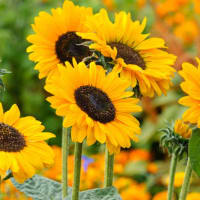
Zinnia elegans, commonly known as Elegant Zinnia, is a vibrant flowering plant native to Mexico. Known for its bright, colorful blooms, it is a favorite among gardeners for attracting butterflies and providing long-lasting flowers throughout the summer.
Everything it needs
9 essentials at a glance
Watering
Zinnia elegans prefers to be watered deeply but infrequently.
Water the plant once the top inch of soil feels dry, typically every 3-5 days during the growing season. In cooler months, reduce watering to once a week. Signs of over-watering include yellowing leaves and root rot, while under-watering may cause wilting and browning leaf edges.
Light
Zinnia elegans thrives in full sun, requiring at least 6-8 hours of direct sunlight daily.
Ideal placements include south or west-facing gardens or patios. While they can tolerate partial shade, flowering may be reduced in low-light conditions.
Soil
The ideal soil for Zinnia elegans is well-draining, sandy loam with a pH range of 6.0 to 7.0.
Ensure good drainage to prevent root rot; a recommended potting mix includes equal parts of potting soil, perlite, and compost.
Humidity
Zinnia elegans prefers moderate humidity levels, ideally around 40-60%.
To increase humidity, mist the plants or place a humidity tray nearby. Signs of humidity stress include browning leaf tips and wilting.
Temperature
Zinnia elegans flourishes in temperatures between 70-85°F (21-29°C) and is hardy in zones 3-10.
They can tolerate brief heat spells but may struggle in extreme cold, so protect them from frost.
Fertilizing
Use a balanced fertilizer with an NPK ratio of 10-10-10 or similar.
Fertilize every 4-6 weeks during the growing season, but avoid over-fertilizing, which can lead to lush foliage with fewer blooms. Signs of nutrient deficiency include yellowing leaves and poor growth.
Pruning
Prune Zinnia elegans by deadheading spent blooms to encourage more flowering.
Use clean, sharp scissors or pruners to cut the stem just above a leaf node. Pruning can be done throughout the blooming season to maintain shape and promote new growth.
Repotting
Repot Zinnia elegans when it outgrows its container or shows signs of root binding, typically every 1-2 years.
Choose a pot that is 1-2 inches larger in diameter. Carefully remove the plant from its pot, loosen the roots, and place it in fresh potting mix, ensuring the root ball is at the same depth as before.
Propagation
Zinnia elegans can be propagated through seeds.
Sow seeds directly in the garden after the last frost or start indoors 4-6 weeks prior. Plant seeds 1/4 inch deep in moist soil, and keep them warm (70-75°F or 21-24°C) until germination, which takes about 7-14 days.
When it's unhappy
Powdery mildew
Why it happens
High humidity and poor air circulation can lead to this fungal disease.
How to fix it
Improve air circulation around the plant and avoid overhead watering. Use a fungicide if necessary.
Leaf spot
Why it happens
Fungal infections often caused by wet foliage.
How to fix it
Remove affected leaves and ensure proper spacing for air circulation. Avoid watering the leaves.
Wilting
Why it happens
Under-watering or root rot due to over-watering.
How to fix it
Check soil moisture; if dry, water deeply. If over-watered, allow the soil to dry out and improve drainage.
Browning leaf edges
Why it happens
Low humidity or inconsistent watering.
How to fix it
Maintain consistent watering and increase humidity if necessary.
Stunted growth
Why it happens
Nutrient deficiency or poor soil quality.
How to fix it
Fertilize with a balanced fertilizer and ensure the soil is well-draining and rich in organic matter.
Care through the year
Spring
In spring, prepare the soil by adding compost and ensure it is well-draining. Start seeds indoors or sow them directly in the garden after the last frost.
Summer
During summer, ensure consistent watering and deadhead regularly to promote blooming. Monitor for pests and diseases, and apply fertilizer every 4-6 weeks.
Fall
In fall, continue to deadhead and enjoy the blooms. As temperatures drop, consider bringing potted plants indoors to protect them from frost.
Winter
In winter, if grown in pots, move Zinnia elegans indoors to a sunny location. If planted outdoors, cut back the plants after the first frost and clean up debris to prevent disease.
Toxicity & Safety
Zinnia elegans is non-toxic to pets and children. All parts of the plant are safe, but ingestion may cause mild stomach upset in sensitive individuals.
Good to know
Why are my Zinnia elegans leaves turning yellow?
Yellowing leaves can indicate over-watering or nutrient deficiency. Check the soil moisture and consider fertilizing if the soil is dry.
How often should I water my Zinnia elegans?
Water your Zinnia elegans once the top inch of soil feels dry, typically every 3-5 days during the growing season.
What is the best fertilizer for Zinnia elegans?
A balanced fertilizer with an NPK ratio of 10-10-10 is ideal. Fertilize every 4-6 weeks during the growing season for optimal growth.
How do I propagate Zinnia elegans?
Propagate Zinnia elegans by sowing seeds directly in the garden after the last frost or starting them indoors 4-6 weeks prior.
What are the ideal growing conditions for Zinnia elegans?
Zinnia elegans thrives in full sun with well-draining soil and moderate humidity. It prefers temperatures between 70-85°F (21-29°C).
When should I deadhead my Zinnia elegans?
Deadhead spent blooms throughout the blooming season to encourage more flowers and maintain a tidy appearance.
Can Zinnia elegans survive frost?
Zinnia elegans is not frost-tolerant. Protect them from frost by covering them or bringing potted plants indoors during cold snaps.
Grows well with
Track this plant in your garden.
Set care reminders, log growth, and join a community of plant lovers.