Selfheal
Prunella Vulgaris

Medicinal Facts
Prunella vulgaris, commonly known as selfheal, is a medicinal plant rich in ursolic acid, rosmarinic acid, and flavonoids. It stands at the intersection of traditional Chinese medicine, where it is used for its cooling and detoxifying properties, and modern pharmacological research, which investigates its anti-inflammatory, antiviral, and antioxidant activities. The plant's diverse bioactive profile makes it a subject of interest for immune modulation and wound healing, with a particular focus on its role in modulating NF-kB and MAPK pathways.
What it helps with
Immune modulation
Ursolic acid and rosmarinic acid in Prunella vulgaris modulate the NF-kB and MAPK pathways, which are crucial for cytokine production and immune response. This modulation can lead to reduced expression of pro-inflammatory cytokines like TNF-alpha and IL-6. Evidence from in vitro and animal studies supports its potential in managing autoimmune conditions and enhancing immune resilience.
Wound healing
The plant's flavonoids promote collagen synthesis and fibroblast proliferation, essential for tissue repair. Ursolic acid enhances the expression of TGF-beta, a key growth factor in wound healing. Traditional uses are supported by animal studies showing accelerated wound closure and reduced scar formation.
Antiviral activity
Prunella vulgaris exhibits antiviral properties, particularly against herpes simplex virus (HSV). Rosmarinic acid inhibits viral replication by interfering with viral DNA synthesis. This has been demonstrated in vitro, with some promising results in early-phase clinical trials.
Anti-inflammatory effects
Ursolic acid and rosmarinic acid inhibit the NF-kB pathway, reducing the production of inflammatory mediators. This action is complemented by the downregulation of COX-2 expression, which is crucial in inflammatory diseases. Animal models and in vitro studies provide substantial evidence for these effects.
Antioxidant support
The flavonoids and rosmarinic acid in Prunella vulgaris scavenge free radicals and upregulate Nrf2, a transcription factor that enhances the expression of antioxidant enzymes like superoxide dismutase. This contributes to cellular protection against oxidative stress, as shown in both animal studies and traditional uses.
Cardiovascular health
Ursolic acid enhances endothelial nitric oxide synthase (eNOS) activity, promoting vasodilation and improving blood flow. This mechanism is supported by animal studies and aligns with traditional uses for heart health, though human evidence is still emerging.
Skin conditions
The anti-inflammatory and antimicrobial properties of Prunella vulgaris make it beneficial for conditions like eczema and psoriasis. Rosmarinic acid reduces keratinocyte hyperproliferation via NF-kB inhibition, a mechanism supported by in vitro studies.
Key active compounds
Ursolic acid
A triterpenoid that modulates NF-kB and MAPK pathways, reducing inflammation and promoting wound healing. It also enhances eNOS activity, supporting cardiovascular health.
Rosmarinic acid
A polyphenol with strong antioxidant and antiviral properties. It inhibits viral replication and modulates immune responses by interfering with NF-kB and MAPK pathways.
Flavonoids
These compounds provide antioxidant support by scavenging free radicals and upregulating Nrf2. They also promote collagen synthesis, aiding in wound healing.
Betulinic acid
A pentacyclic triterpenoid with potential anti-cancer and anti-inflammatory effects. It modulates apoptosis and cell cycle regulation in preclinical models.
Tannins
Polyphenolic compounds that contribute to the astringent properties of the plant, aiding in wound healing and providing antimicrobial effects.
Polysaccharides
These compounds have immunomodulatory effects, enhancing macrophage activity and cytokine production, as shown in animal studies.
What the research says
Research on Prunella vulgaris focuses on its anti-inflammatory, antiviral, and wound healing properties. Ursolic acid and rosmarinic acid are the most studied compounds, with evidence from in vitro and animal models supporting their roles in immune modulation and antiviral activity. Human studies are limited but suggest potential benefits for skin conditions and viral infections. The main limitation in clinical application is the bioavailability of its active compounds, which is being addressed through formulation strategies such as nanoencapsulation and combination with bioenhancers.
Typical dosage
For tea or infusion, use 1-2 teaspoons of dried Prunella vulgaris per cup of boiling water, steep for 10-15 minutes, and consume up to three times daily. Tinctures can be taken at a dose of 2-4 ml up to three times a day. For topical applications, apply a poultice or ointment directly to the affected area as needed. Capsules should be taken according to the manufacturer's instructions, typically 1-2 capsules up to three times daily.
About Selfheal
Traditional Use
Preparations & Dosage
Preparations
- Tea / Infusion: Boil water and pour over 1-2 teaspoons of dried Prunella vulgaris. Cover and steep for 10-15 minutes. Strain and drink warm. Add honey or lemon for taste if desired.
- Tincture: Use a dropper to measure 2-4 ml of tincture. Add to a small amount of water or juice and consume up to three times daily.
- Poultice: Crush fresh Prunella vulgaris leaves and mix with a small amount of water to form a paste. Apply directly to the affected area and cover with a clean cloth.
- Ointment: Mix Prunella vulgaris extract with a carrier oil or base ointment. Apply a thin layer to the affected area as needed.
Interactions & Warnings
Use with caution
Prunella vulgaris is generally considered safe for most people when used appropriately. However, individuals with allergies to plants in the Lamiaceae family should exercise caution. Pregnant or breastfeeding women should consult a healthcare provider before use.
Herb Interactions
Both herbs may enhance immune function; combined use should be monitored to avoid overstimulation of the immune system.
May increase photosensitivity when used together; caution is advised when exposed to sunlight.
Community Plants
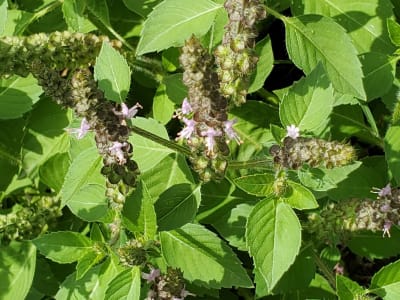
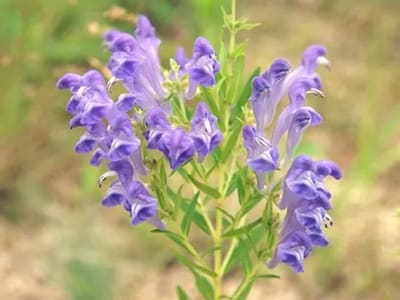
Real plants of this species grown and shared by the MyFloralVault community.

More in Immune Support





Was this helpful?
0 · 0
Care Guide Available
Learn how to grow and care for Selfheal at home