Purple Coneflower
Echinacea Purpurea
Medicinal Facts
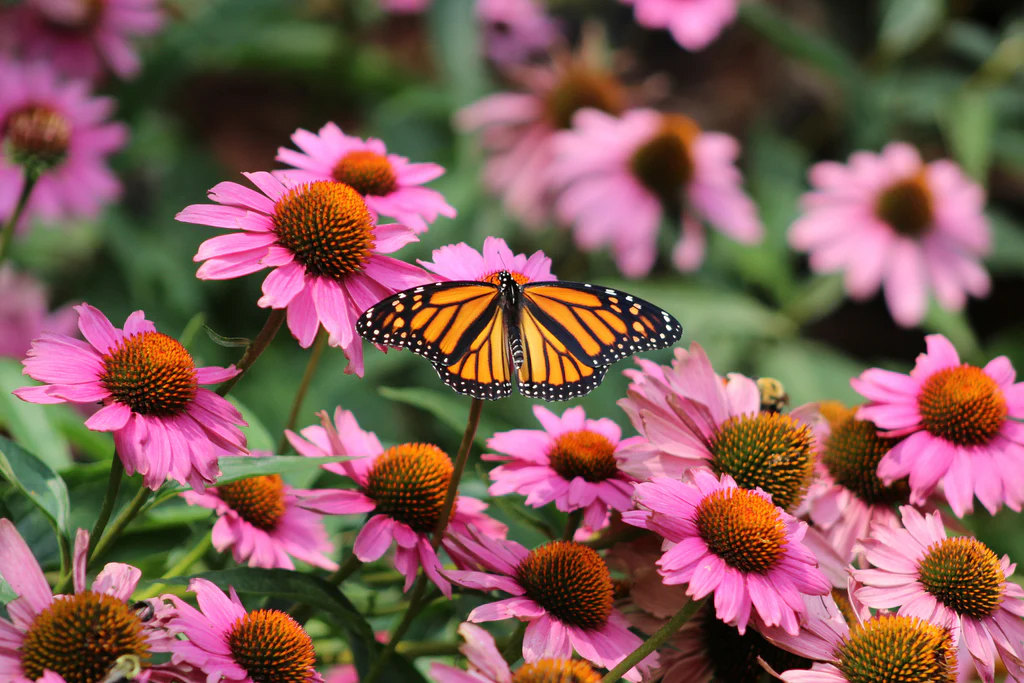
Echinacea purpurea, commonly known as Purple Coneflower, is renowned for its immunomodulatory properties, primarily attributed to its rich content of alkamides, polysaccharides, and caffeic acid derivatives such as cichoric acid. It sits at the intersection of traditional Native American herbal medicine, where it was used for infections and wounds, and contemporary immunological research, which explores its role in modulating cytokine production and enhancing macrophage activity. Modern studies focus on its potential to modulate the immune response and its application in upper respiratory tract infections.
What it helps with
Immune system support
Echinacea purpurea is traditionally used to support immune function, with alkamides modulating the CB2 cannabinoid receptor, which influences immune cell activity. Cichoric acid enhances phagocytosis and increases the production of cytokines such as TNF-a and IL-1. Human trials suggest a reduction in the duration and severity of colds, although results vary.
Upper respiratory tract infections
Cichoric acid and polysaccharides in Echinacea purpurea stimulate macrophage activity and increase the production of interleukins (IL-6, IL-8), which are crucial in the body's defense against pathogens. Clinical trials indicate that Echinacea may reduce the incidence and duration of common colds, though the evidence is mixed and often influenced by study design.
Anti-inflammatory effects
Alkamides in Echinacea purpurea inhibit the COX-2 enzyme, reducing the synthesis of pro-inflammatory prostaglandins. This mechanism is supported by in vitro studies and suggests potential benefits in managing inflammatory conditions, though human data are limited.
Wound healing
Traditionally used for wound healing, Echinacea purpurea's polysaccharides enhance fibroblast activity and collagen synthesis, promoting tissue repair. This is supported by animal studies showing accelerated wound closure and reduced infection rates.
Anxiety & stress
Echinacea purpurea may influence anxiety levels through its alkamides, which interact with the GABA-A receptor, modulating neurotransmitter activity. Preliminary studies in animal models suggest a potential anxiolytic effect, but human evidence is sparse.
Antioxidant activity
Cichoric acid and other phenolic compounds in Echinacea purpurea scavenge free radicals and upregulate antioxidant enzymes like superoxide dismutase (SOD). This activity is primarily documented in vitro, with potential implications for reducing oxidative stress.
Skin health
Echinacea purpurea's antimicrobial and anti-inflammatory properties, primarily due to alkamides and caffeic acid derivatives, support its use in topical applications for acne and other skin conditions. It reduces bacterial load and inflammation, as evidenced by small-scale clinical trials.
Key active compounds
Alkamides
These lipophilic compounds modulate the immune response by binding to the CB2 receptor, influencing cytokine production. They also exhibit COX-2 inhibitory activity, contributing to anti-inflammatory effects.
Cichoric acid
A caffeic acid derivative that enhances phagocytosis and cytokine production, crucial for immune support. It also acts as an antioxidant, scavenging free radicals.
Polysaccharides
Complex carbohydrates that stimulate macrophage activity and cytokine release, enhancing immune defense. They also promote wound healing by supporting fibroblast function.
Echinacoside
A phenolic compound with antioxidant and antimicrobial properties. It contributes to the plant's overall immune-modulating effects.
Chlorogenic acid
An antioxidant that supports immune function and exhibits antimicrobial activity. It may enhance the bioavailability of other active compounds.
Caffeic acid
A phenolic acid with antioxidant properties, contributing to the plant's ability to reduce oxidative stress and support immune health.
What the research says
Research on Echinacea purpurea spans traditional uses and modern immunological studies. The strongest human evidence supports its role in reducing the duration and severity of upper respiratory infections, with mixed results likely due to variations in preparation and dosing. Alkamides and cichoric acid are the most studied compounds, with human trials focusing on immune modulation and anti-inflammatory effects. Preclinical studies highlight its potential in wound healing and anxiety reduction, though these areas require further human research. The primary limitation is variability in active compound concentration across different preparations, which is addressed by standardizing extracts and ensuring consistent alkamide and phenolic content.
Typical dosage
For tea or infusion, use 1-2 grams of dried echinacea root or herb per cup of boiling water, steep for 10-15 minutes, and consume up to three times daily. Tinctures can be taken at a dose of 2-3 ml, three times daily. Capsules and extracts should be used according to the manufacturer's instructions, typically 300-500 mg, two to three times per day. Topical applications should be used as needed, ensuring no allergic reactions occur.
About Purple Coneflower
Traditional Use
Preparations & Dosage
Preparations
- Tea / Infusion: Use 1-2 grams of dried echinacea root or herb per cup of boiling water. Steep for 10-15 minutes, strain, and serve. Optionally, add honey or lemon for flavor.
- Tincture: Take 2-3 ml of echinacea tincture, diluted in a small amount of water, up to three times daily. Shake well before use.
- Capsule: Take 300-500 mg of echinacea capsules, two to three times per day, with meals.
- Topical application: Apply echinacea cream or ointment to the affected area as needed, ensuring no allergic reaction occurs.
Interactions & Warnings
Use with caution
Echinacea is generally safe for short-term use, but long-term use may lead to immune system overstimulation. People with autoimmune disorders or allergies to plants in the Asteraceae family should avoid it. It may also interact with immunosuppressive drugs.
Herb Interactions
Combining with goldenseal may enhance immune-boosting effects, but could also increase the risk of overstimulation of the immune system.
Community Plants
Real plants of this species grown and shared by the MyFloralVault community.

More in Immune Support





Was this helpful?
0 · 0
Care Guide Available
Learn how to grow and care for Purple Coneflower at home