Purple Coneflower
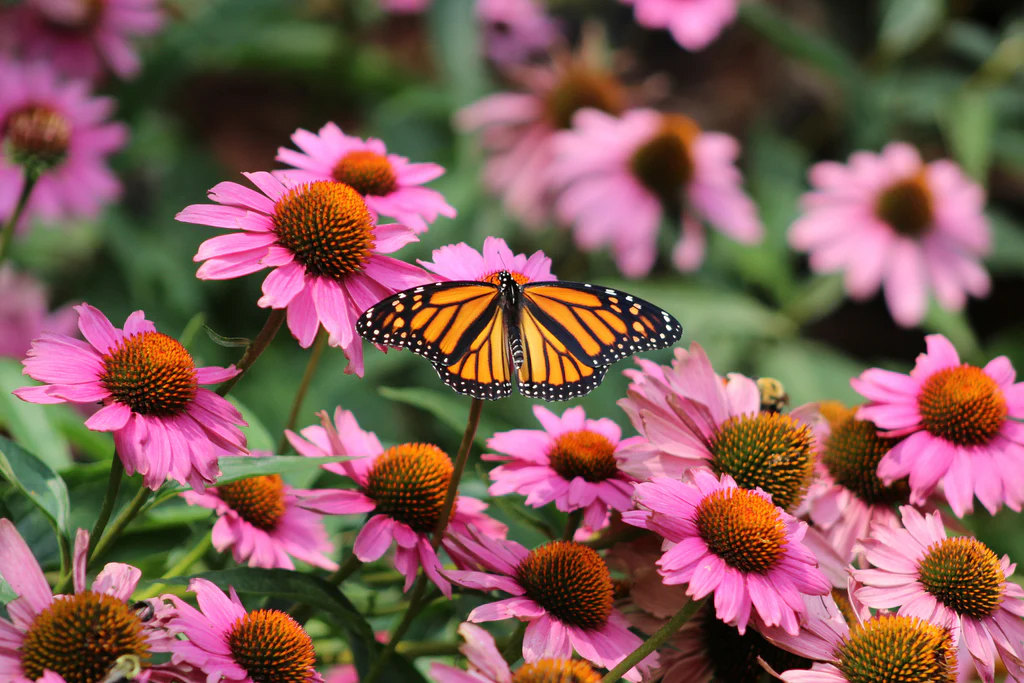
Description by @jominime
the alkylamides directly kill rhinovirus and influenza virus, AND they calm down the inflammatory response (sore throat, body aches, congestion).
binds to CB2 receptors on your immune cells.
unlike THC, CB2 activation doesn't get you high, but it does calm overactive inflammation while still supporting protective immune function. this is why echinacea reduces cold/flu symptoms WITHOUT suppressing the immune response needed to fight the actual virus.
the alkylamides kill e. coli (the bacteria causing most UTIs).
good for early-stage UTIs, recurrent UTIs, and as adjunct support during conventional antibiotic treatment.
press as juice for upper respiratory and urinary tract infections.
apply echinacea topically to cuts, scrapes, slow-healing wounds, skin abscesses, and boils. crush fresh leaves or use a tincture-based cream.
the alkylamides kill staph, strep, e. coli, and candida yeast.
the polysaccharides activate macrophages (the immune cells that clean up wound debris). good for slow-healing wounds, infected cuts, boils, skin abscesses, and bacterial skin infections.
can lower blood sugar & reduce anxiety.
has shown anticancer activity in lab studies through cichoric acid (triggers cancer apoptosis) and polysaccharides (activates immune killer T cells). studied as a possible adjuvant for cancer vaccines.
older studies have shown extracts from this plant killed human cancer cells from the pancreas and colon.
herbal remedy for the flu or common cold. but the immune-stimulating effect can theoretically worsen autoimmune diseases (lupus, MS, rheumatoid arthritis, psoriasis, hashimoto's). most herbalists recommend caution or avoidance if you have autoimmune disease.
the plant’s upper parts and roots are used in tablets, tinctures, extracts, and teas.
The antioxidants appear to be higher in extracts from the flowers and roots of the plants, compared to other parts, such as the leaves.
harvest roots after the plant is 3 years old. it won’t come back, so you need to start over from seed but don’t let it get older than that. best benefits from roots are at 3 years old.
Related Plants
Plant information is for educational purposes only.