Lion's Ear
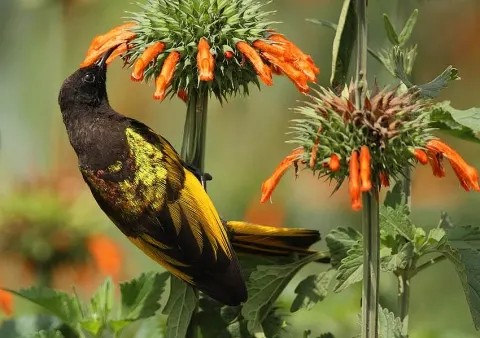
Leonotis Nepetifolia
Medicinal Facts
Leonotis nepetifolia, commonly known as Lion's Ear, is rich in labdane diterpenoids, such as nepetaefolin and leonotinin, which contribute to its diverse pharmacological activities. It stands at the intersection of traditional African and Indian herbal practices, where it is employed for respiratory and inflammatory conditions, and modern pharmacological research exploring its anti-inflammatory and antimicrobial properties. Its complex phytochemistry also includes phenolic compounds and flavonoids, which are being studied for their potential neuroprotective and antioxidant effects.
What it helps with
Respiratory health
Traditionally used to alleviate symptoms of asthma and bronchitis, Leonotis nepetifolia contains nepetaefolin, which may exert bronchodilatory effects by modulating calcium ion channels and inhibiting phosphodiesterase activity, leading to smooth muscle relaxation. Evidence is primarily from traditional use and in vitro studies.
Anti-inflammatory effects
Labdane diterpenoids like leonotinin inhibit the NF-kB signaling pathway, reducing the expression of pro-inflammatory cytokines such as TNF-a and IL-6. This mechanism is supported by in vitro and animal studies, highlighting its potential in managing inflammatory conditions.
Antimicrobial activity
The essential oils of Leonotis nepetifolia, rich in monoterpenes, exhibit antimicrobial properties by disrupting microbial cell membranes and inhibiting bacterial growth. This is supported by in vitro studies against various bacterial strains.
Neuroprotection
Flavonoids in Leonotis nepetifolia, such as quercetin, may offer neuroprotective effects by modulating the Nrf2 pathway, enhancing the expression of antioxidant enzymes like heme oxygenase-1 (HO-1). Preliminary evidence from animal models suggests potential benefits in neurodegenerative conditions.
Wound healing
Topical application of Leonotis nepetifolia extracts accelerates wound healing by promoting collagen synthesis and modulating TGF-beta signaling. This is supported by traditional use and animal studies, showing enhanced re-epithelialization.
Antioxidant activity
Phenolic compounds in Leonotis nepetifolia scavenge free radicals and upregulate endogenous antioxidant defenses via the Nrf2 pathway. This activity has been demonstrated in vitro, suggesting potential benefits in oxidative stress-related conditions.
Pain relief
Traditionally used for its analgesic properties, Leonotis nepetifolia may modulate pain perception by interacting with opioid receptors and inhibiting cyclooxygenase (COX) enzymes. Evidence is primarily from traditional use and early animal studies.
Key active compounds
Nepetaefolin
A labdane diterpenoid that may exert bronchodilatory and anti-inflammatory effects through calcium channel modulation and NF-kB inhibition. It is a key compound in respiratory applications.
Leonotinin
Another labdane diterpenoid with significant anti-inflammatory activity, inhibiting NF-kB and reducing cytokine production. It contributes to the plant's potential in managing inflammation.
Quercetin
A flavonoid known for its antioxidant and neuroprotective effects, quercetin modulates the Nrf2 pathway and enhances cellular antioxidant defenses.
Phenolic compounds
These compounds, including caffeic acid, exhibit strong antioxidant properties by scavenging free radicals and upregulating Nrf2-mediated antioxidant enzymes.
Monoterpenes
Constituents of the essential oil that provide antimicrobial activity by disrupting microbial cell membranes, effective against various bacterial strains.
Triterpenoids
These compounds may contribute to the plant's anti-inflammatory and analgesic properties by inhibiting COX enzymes and modulating immune responses.
What the research says
Research on Leonotis nepetifolia is primarily focused on its anti-inflammatory and antimicrobial properties. Labdane diterpenoids like nepetaefolin and leonotinin show strong preclinical evidence for modulating inflammatory pathways, with animal studies supporting these findings. The antimicrobial activity of its essential oils is well-documented in vitro, showing efficacy against a range of pathogens. The main limitation in translating these findings to clinical use is the lack of human trials and standardized extracts. Efforts to enhance bioavailability and standardize active compounds are ongoing, with potential formulations including encapsulated extracts to improve delivery and efficacy.
Typical dosage
For tea or infusion, use 1-2 teaspoons of dried leaves or flowers per cup of boiling water, steep for 10-15 minutes, and consume up to three times daily. For tinctures, a typical dosage is 1-2 ml taken two to three times a day. Poultices can be made by crushing fresh leaves and applying them to the affected area as needed. Decoctions involve boiling the plant material for 20-30 minutes and can be consumed similarly to tea.
About Lion's Ear
Traditional Use
Preparations & Dosage
Preparations
- Tea / Infusion: Use 1-2 teaspoons of dried Leonotis nepetifolia leaves or flowers per cup of boiling water. Steep for 10-15 minutes, strain, and serve. Sweeten with honey if desired.
- Tincture: Combine 1 part dried plant material with 5 parts alcohol (such as vodka) in a glass jar. Seal and store in a cool, dark place for 4-6 weeks, shaking occasionally. Strain and store in a dark bottle.
- Poultice: Crush fresh leaves into a paste and apply directly to the affected area. Cover with a clean cloth or bandage.
- Decoction: Boil 1-2 tablespoons of dried plant material in 2 cups of water for 20-30 minutes. Strain and serve.
Interactions & Warnings
Use with caution
Leonotis nepetifolia should be used with caution, especially by individuals who are pregnant or breastfeeding, as its safety in these populations has not been well-established. It may also interact with medications for hypertension and diabetes, so consultation with a healthcare provider is recommended before use.
Herb Interactions
May increase the risk of photosensitivity and interact with medications metabolized by the liver.
Community Plants
Real plants of this species grown and shared by the MyFloralVault community.
More in Immune Support





Was this helpful?
0 · 0