Rarest Berries Around the World
A tour of 15 rare berries from the Arctic to the tropics: what each one is, where it comes from, what it tastes like, why you never see it in shops, and which ones a home gardener can really grow.
The MyFloralVault TeamUpdated 17 min read
Has the title piqued your interest? Are you also on the hunt to taste some berries that most people have never had in their lives? Look no further, we're going to go through berries most people have never heard of. Most are rare for a simple reason: they are too soft to ship, too slow to cultivate, or there's a huge issue with access and distribution. Most people aren't willing to encounter massive bears in Alaska to harvest cloudberries, just for them to spoil during shipping. This article will cover 15 berries, from Arctic bogs to tropical gardens, and you can decide which ones you want to try to grow yourself. Vesper, our garden fairy assistant can help you set up a suitable environment and soil for every plant you choose to add to your personal care guide or garden.
What "berry" means here
This post uses "berry" the everyday way: a small, soft fruit you can eat whole. Botanists define a berry differently. By their rules a banana is a berry and a raspberry is not. Everyday language is more useful in the kitchen.
Berries of the cold north
1. Cloudberry
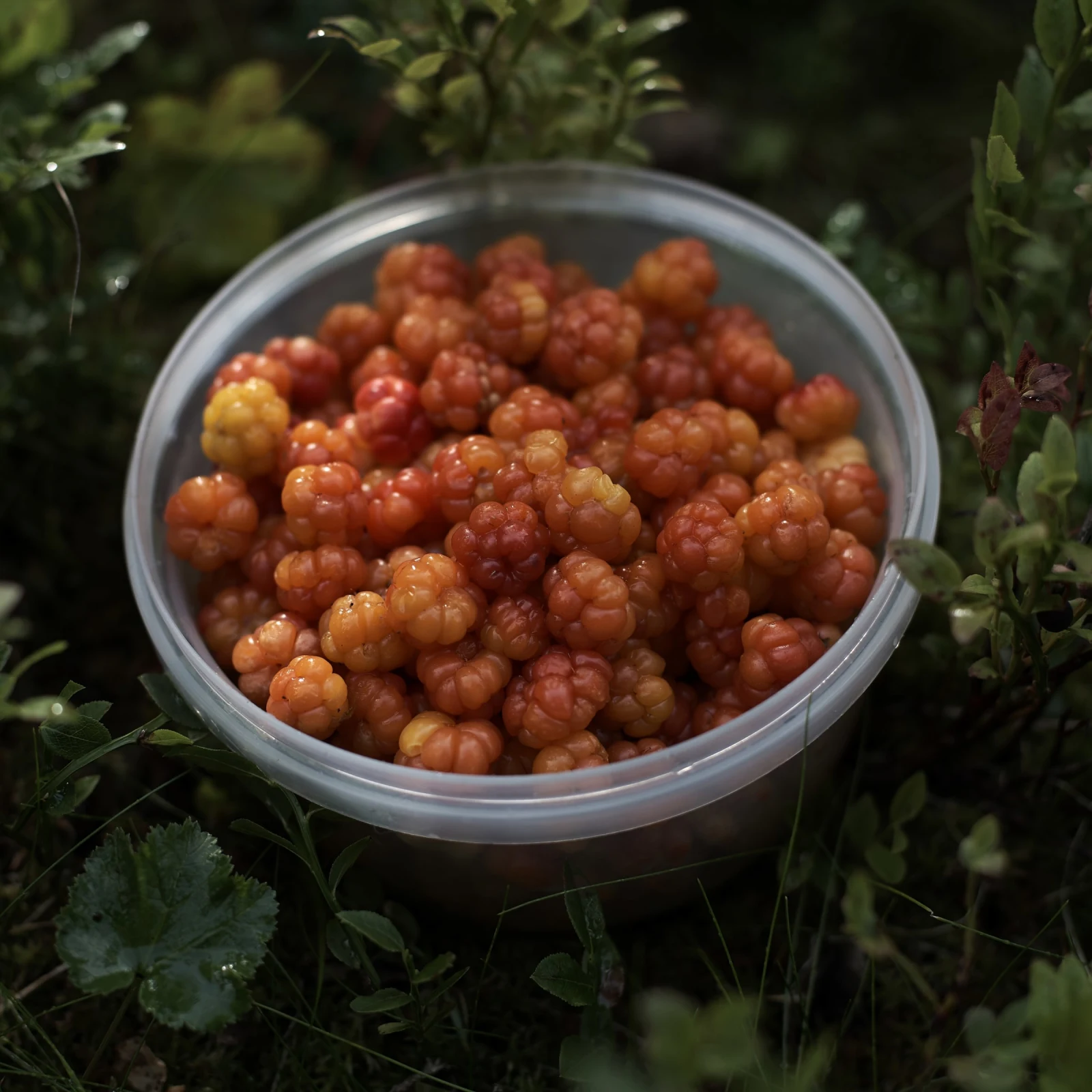
Cloudberry (Rubus chamaemorus) grows in bogs across northern Europe, Russia, Canada and Alaska. You can grow them too, in a peat moss bog, and add a bit of elemental sulfur to get to its ideal pH range of 3.5 to 4.5. Vesper can help you set up the perfect bog bed for your area or bog pot. Each low plant carries one fruit. It is red while unripe and turns soft and amber when ripe. The taste is tart and a little creamy, often compared to baked apple. They also have a plethora of health benefits, which you can check out more info in our cloudberry apothecary entry. Cloudberries contain a lot of antioxidants, so eat up!
Why it's rare: Nearly all of it is picked wild, and the ripe berries are so soft they spoil within days, so outside the Nordic countries it is mostly sold as jam or liqueur. The plant needs cold, wet, acid bog soil, and male and female flowers grow on separate plants and you won't know if you have all male or all female plants if you don't have a lot of cloudberry plants growing. Home growing is very hard outside its native climate.

2. Arctic raspberry
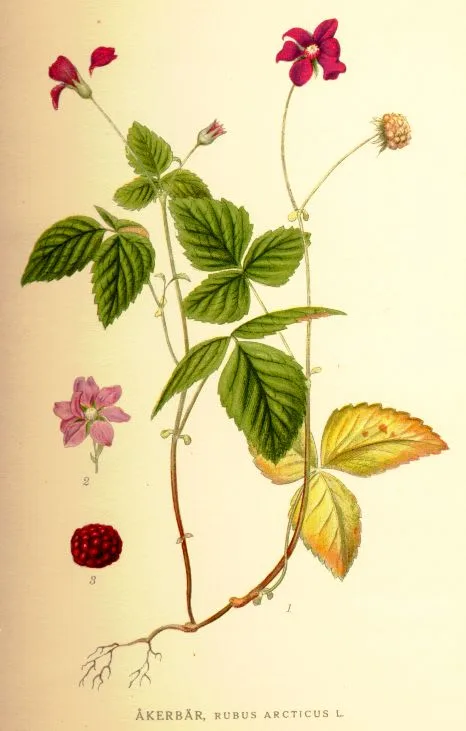
Arctic raspberry (Rubus arcticus), also known as Arctic bramble, nagoonberry, or nectarberry is a low-growing, thornless perennial plant in the rose family (Rosaceae) and about 10 to 30 cm (4 to 12 in) tall. Native to cold subpolar, arctic, and alpine regions of the Northern Hemisphere. Distinctive plant with pink to magenta flowers and small, glossy, deep red or almost dark purple aggregate berries made up of 10 to 30 soft drupelets. It grows in the far north of Europe, Asia and North America. The fruit is small but strongly scented and sweet, some saying it smells of pineapple.
Why it's rare: Yields are tiny, so it is not farmed on a large scale, and the soft berries do not travel well. Outside Finland and Sweden you will mostly meet it as a liqueur or jam.
Gardeners in cool climates can grow it as ground cover. It spreads via underground rhizomes or runners to form a dense mat. It usually needs two different varieties planted together to set fruit. Similar growing conditions as cloudberries, so you can grow them together in your garden.
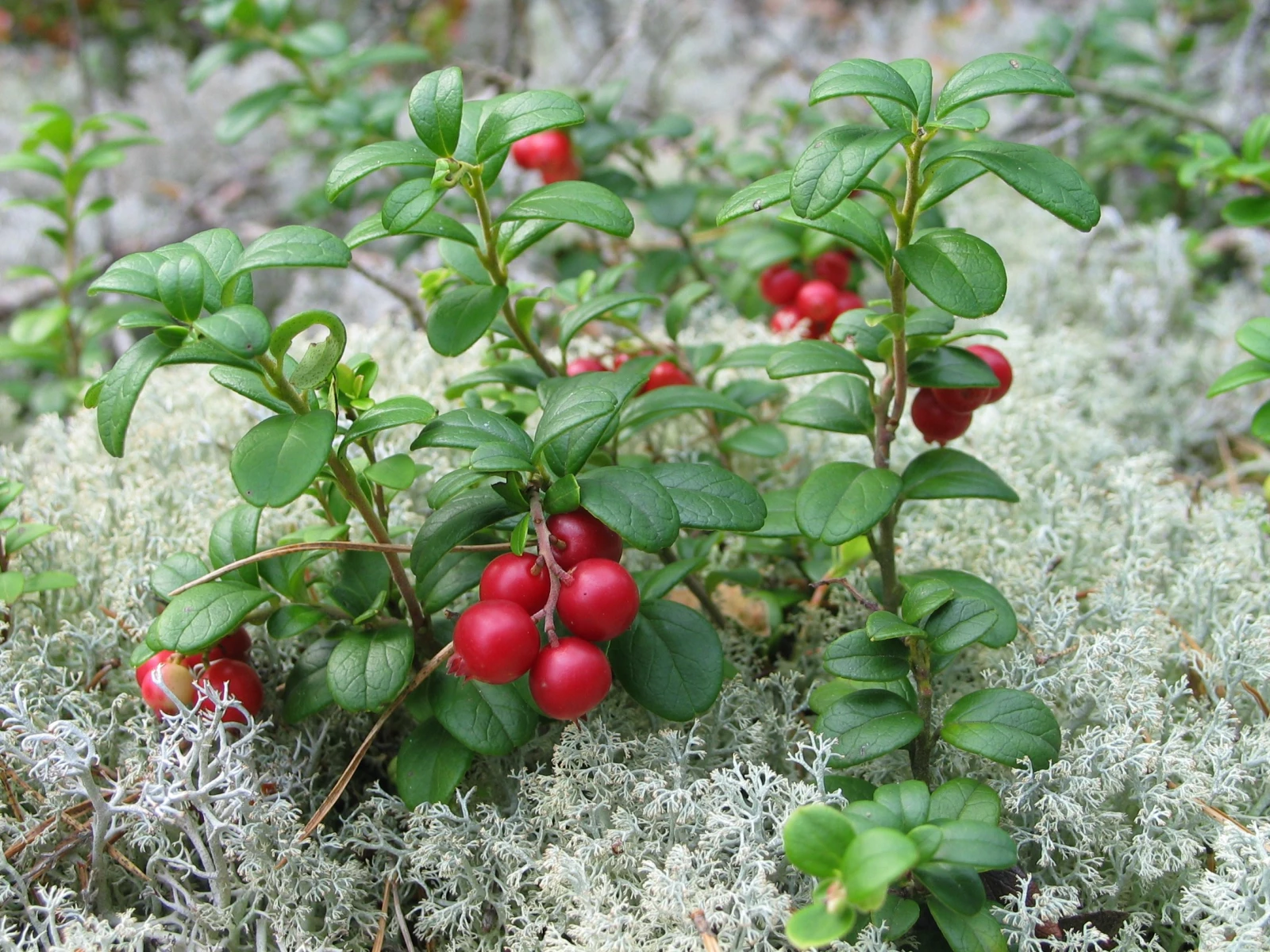
3. Lingonberry
Lingonberry (Vaccinium vitis-idaea) also known as Cowberry, is a low evergreen shrub of northern forests. Its red berries are sharp and tart, and they are usually cooked with sugar into jam or sauce, tasting similar to cranberries. If you leave the berries on the plant after a freeze, they will soften and develop more sugar.
It is common in northern Europe, where most of the crop is picked from the wild. Wild plants are under eight inches tall and spread two feet wide. Cultivated plants can grow twice as tall and wide. Elsewhere, fresh lingonberries are hard to find. It is a good home plant if you give it acidic soil, the same kind cloudberries need. Again, you can use Vesper to help set up a suitable bog bed customized for your area. The apothecary lists it under its other name, cowberry.
Why it's rare: Most of the crop is picked wild in Scandinavia and goes straight into jam, so outside northern Europe you will usually only find it in a jar.
4. Crowberry
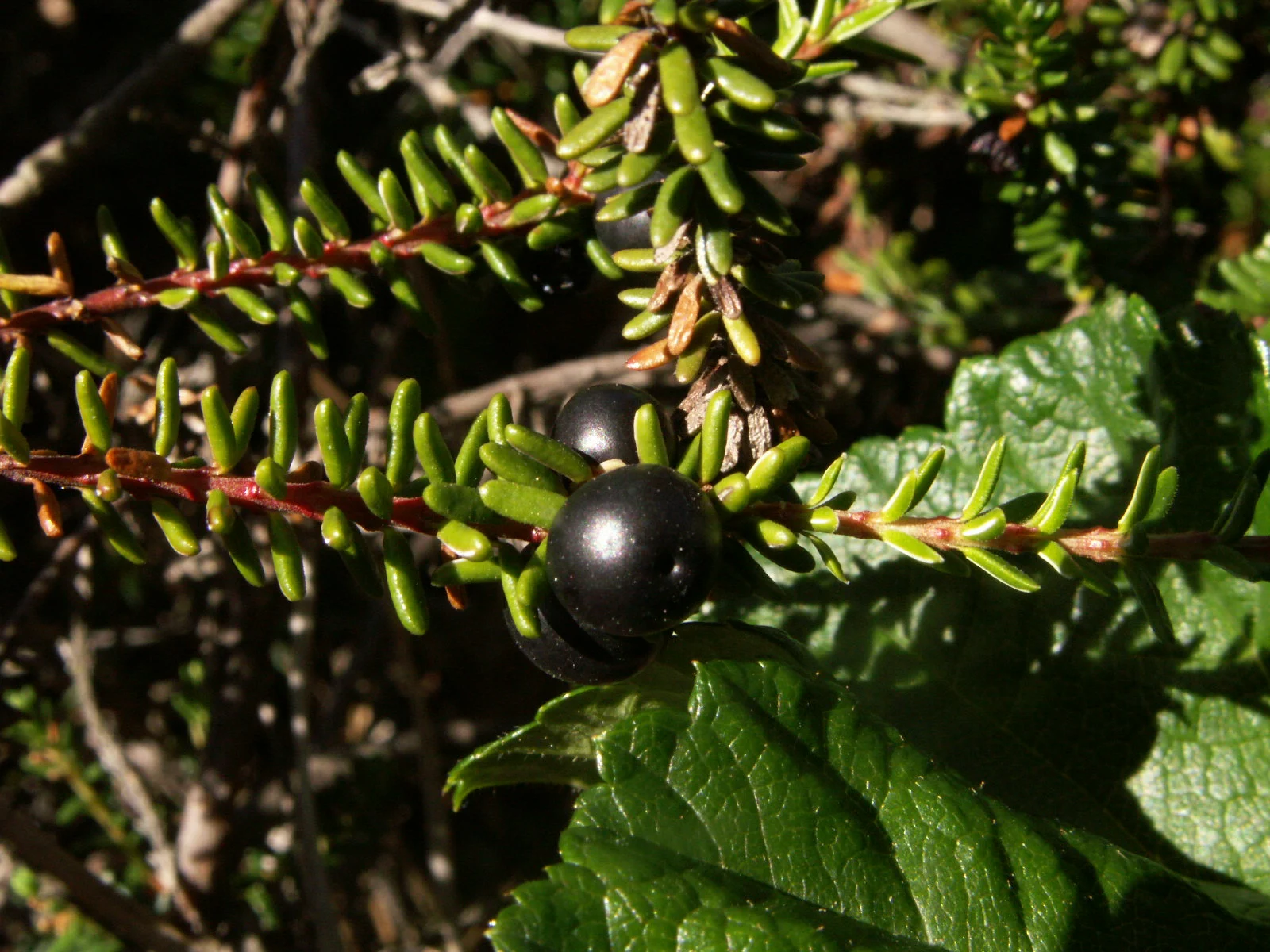
Crowberry (Empetrum nigrum) is a low, creeping evergreen shrub, about 15 cm (6 in) tall, with tiny needle-like leaves. It grows right around the Arctic, from sea-level heaths to bare mountain tops. Its berries are glossy and near black.
The taste is mild, some say close to tasteless, and each berry holds several small seeds. Its value in the north is that the berries stay on the plant through winter, under the snow, so people can dig them out when nothing else is available. Most are mixed with sharper berries or used for juice. It needs cool summers and acidic well-drained soil, so it rarely does well in ordinary gardens. If you want to try to grow these beautiful berries, you'll need to set up a similar bog bed that every other arctic berry needs. The main tips are peat moss and elemental sulfur. You can visit the care guide for crowberries for more growing tips. More in the crowberry apothecary entry.
Why it's rare: The berries are seedy and bland, so there is no market for them fresh, and the plant grows mostly in remote Arctic and mountain country.
Berries of coasts and forests
5. Salmonberry
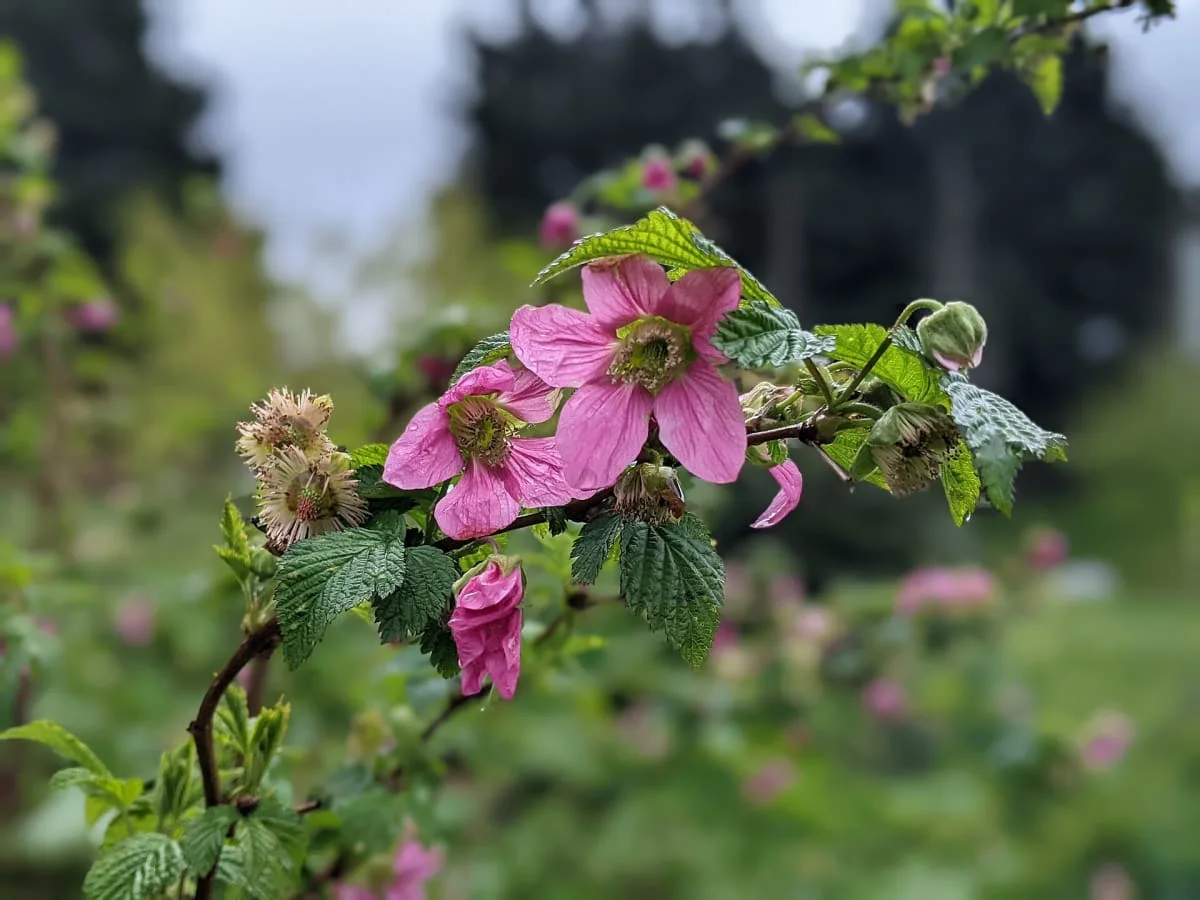
Salmonberry (Rubus spectabilis) grows in damp forests along the Pacific coast of North America. It has bright pink flowers and fruits that ripen yellow, orange or red. The taste is mild, juicy and lightly sweet.
Why it's rare: The berries are so soft that they fall apart within hours of picking. That keeps them out of shops. In a cool, moist climate it grows easily, but it spreads into thickets and needs room. More in the salmonberry apothecary entry.
6. Sea buckthorn
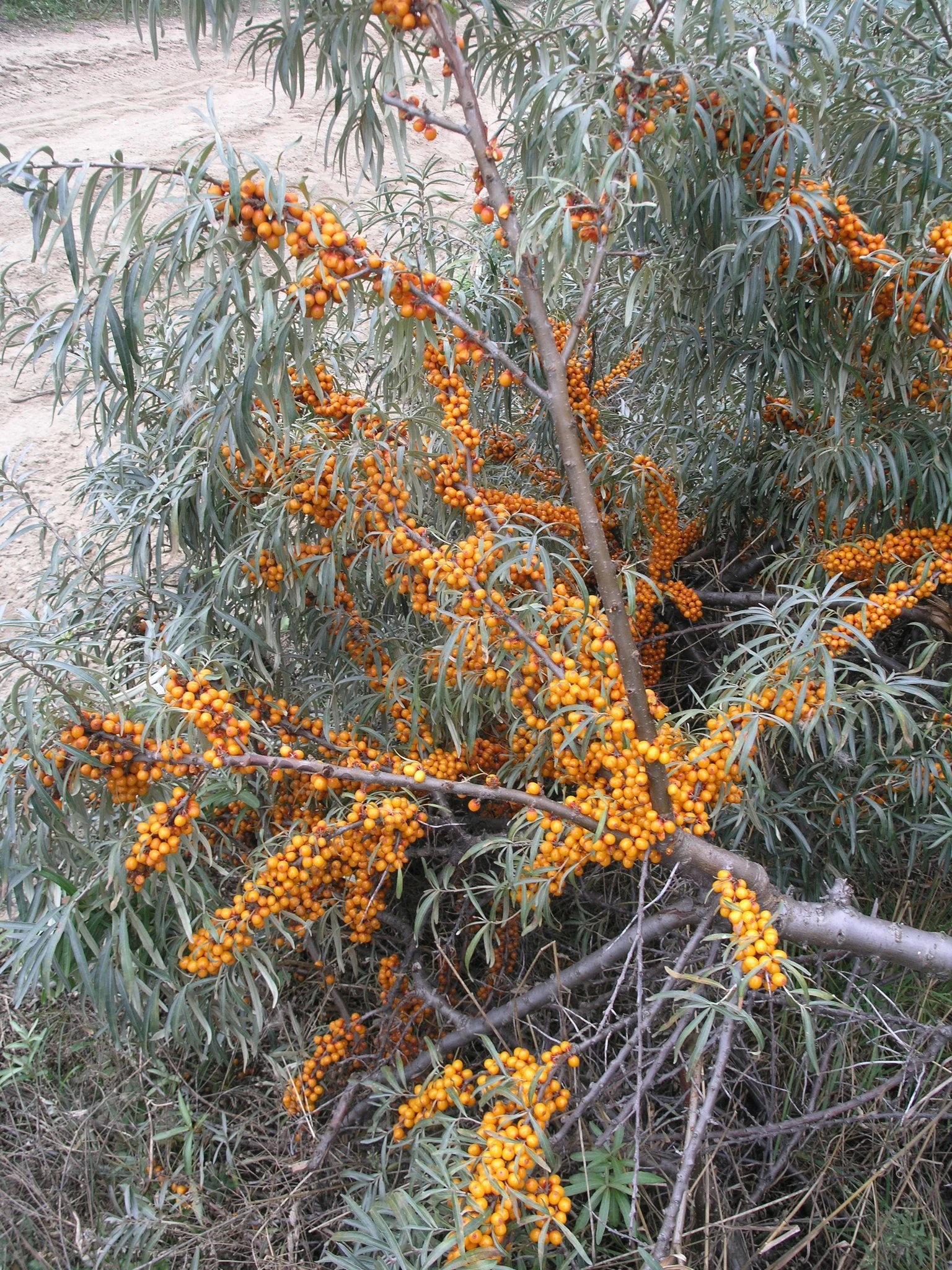
Sea buckthorn (Hippophae rhamnoides) is a thorny shrub from the coasts and mountains of Europe and Asia. Its orange berries are very sour, with a taste somewhere between orange and passion fruit. They are mostly made into juice. These are also highly medicinal. All medicinal info is on our apothecary page.
Why it's rare: Picking is the problem. The berries cling tightly to thorny branches and burst when pulled. Growers often cut whole branches and freeze them so the berries knock off. It grows well in poor, sunny soil. You need a male and a female plant for fruit. It spreads by suckers and is invasive in some regions, so check before planting.
7. Bilberry
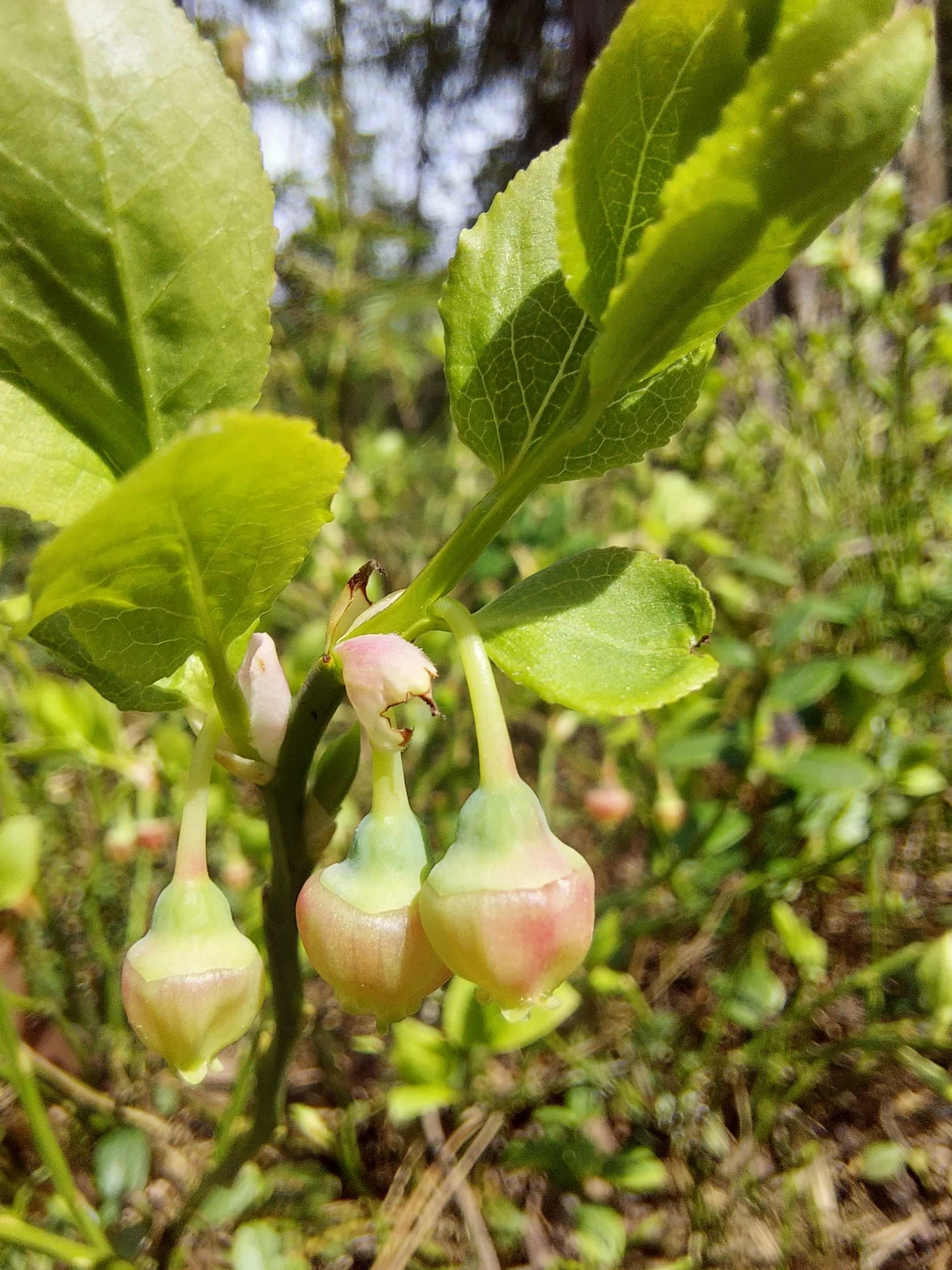
Bilberry (Vaccinium myrtillus) is the wild blueberry of European woods and heaths. It also grows across northern Asia, in Greenland and in western North America. The low shrub carries its dusky blue berries one at a time, not in bunches like a cultivated blueberry, which makes picking slow. Typically, the berries are harvested with comb pails.
Cut one open and the difference is clear. A common blueberry is pale inside, but a bilberry is red right through, and the juice stains fingers and lips. The flavor is stronger and sharper. Read the bilberry apothecary entry for its medicinal uses and safety notes.
Why it's rare: Bilberries grow wild on poor, acidic soil and have never become a farm crop, so almost every berry you buy was picked by hand or with a comb-like rake. The soft berries bruise and stain easily, so fresh ones seldom travel far from where they are picked.
A rarer cousin: the Kamchatka bilberry. *Vaccinium praestans* comes from the Russian Far East (Kamchatka, Sakhalin, the Kuril Islands) and northern Japan. It creeps through mossy bogs and wet woods and stands under 10 cm (4 in) tall. Its berries are bright glossy red, sweet and strongly fragrant, and some people compare the scent to strawberries. It was not grown in gardens until 1914 and still needs cold, damp conditions, so outside its home it is almost unknown. See the Kamchatka bilberry apothecary entry.
Hardy shrubs from North America
8. Aronia
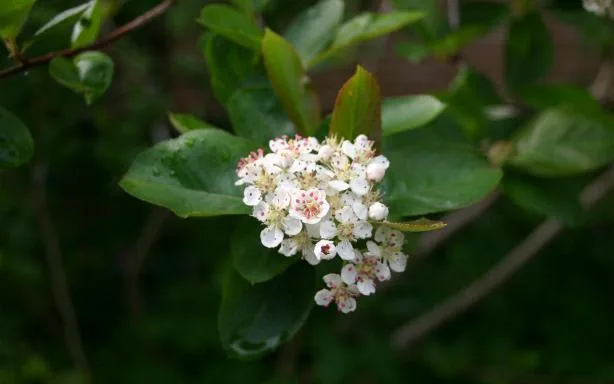
Aronia (Aronia melanocarpa), also called black chokeberry, is a shrub from the eastern United States. It carries heavy clusters of glossy black berries in late summer. Eaten raw they are so astringent that they dry the mouth, which is how the plant got the name chokeberry. They'll make you pucker.
Why it's rare: The raw berries are too astringent to enjoy, so you rarely see fresh aronia for sale. Nearly all of it goes into juice, jam and dried powder, and Poland grows far more than its home country does. In the garden it is one of the easiest plants on this list. It survives very cold winters, puts up with poorly drained or dry soil (though it does best when drained), and sets fruit on its own without a second plant. See the chokeberry apothecary entry for its medicinal uses, which are plentiful. You can try growing aronia berries above cloudberries and other low growing berries that need shade. Aronia also likes peat moss.
9. Silver buffaloberry
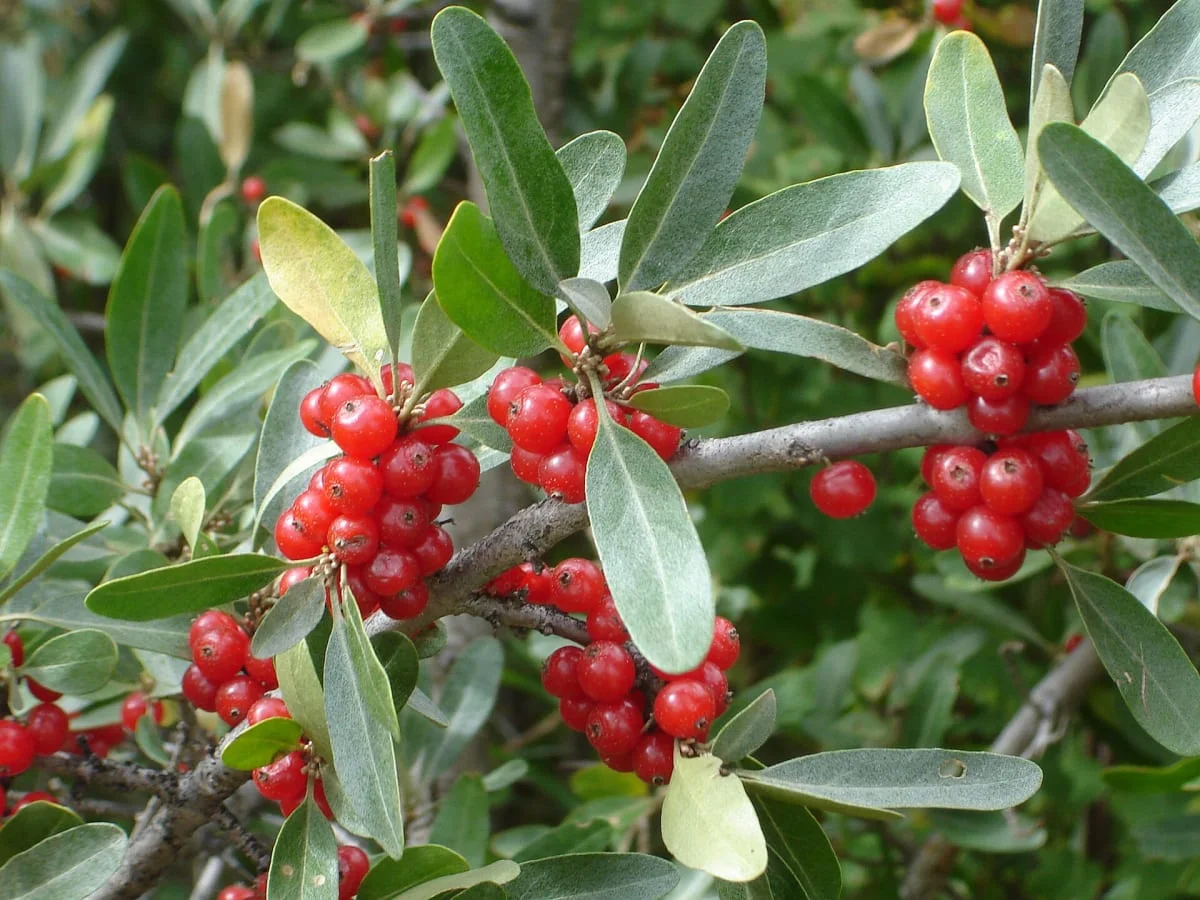
Silver buffaloberry (Shepherdia argentea) is a tall, thorny shrub of the North American Great Plains and the dry West, from Canada south to New Mexico. Its narrow leaves are silver, and in late summer the branches fill with small, bright red berries, rarely yellow.
The berries are very tart and turn sweeter after a light frost. The thorns make hand picking painful, so the old way is to shake the branches over a sheet and gather what falls. The fruit contains small amounts of saponins, so eat it in moderation; thorough cooking breaks them down. It needs a male and a female plant to fruit. It fixes its own nitrogen and shrugs off cold and drought, so it suits a windbreak or a hedge in a harsh climate. More in the silver buffaloberry apothecary entry.
Why it's rare: Between the thorns, the sour taste and the need for two plants, no one grows it as a crop. Almost all of it is picked from wild plants and old windbreak hedges.
10. Bearberry
Bearberry (Arctostaphylos uva-ursi), also called kinnikinnick, is a creeping evergreen shrub that grows right around the northern world. In North America it ranges from Alaska and Canada south to California, New Mexico and New Jersey. Its trailing stems carry small, leathery, dark green leaves and, from late summer, bright red berries about 6 to 10 mm (1/4 to 3/8 in) across.
The berries are dry and mealy, close to tasteless raw, and they stay on the plant all winter. Bears feed on them in autumn and again in early spring, when little else is around, which is where the name comes from. Native peoples fried or dried the berries, and mixed the dried leaves into smoking blends.
Why it's rare: The fruit is too dry and bland for anyone to farm, so you will never see it in a shop. Nurseries do sell the plant, but as ground cover, not for its berries.
It is easy to keep if you have sun and sandy or rocky, acidic, well-drained soil. It shrugs off drought and poor soil and makes an excellent ground cover for banks and rock walls, though young plants are slow to settle in. The leaves are a traditional urinary remedy, but they contain arbutin, which the body turns into hydroquinone, so they are not for long-term use, during pregnancy or for children. More in the bearberry apothecary entry.

Berries of tropical Asia
11. Bignay
Bignay (Antidesma bunius) is a tree that grows wild from the foothills of the Himalayas through Southeast Asia to northern Australia. Its small berries hang in long strings like loose bunches of grapes.
The berries on one string do not ripen together, so a single bunch shows green, white, red and near-black fruit at once. Unripe berries are sour, much like cranberries, and fully ripe ones turn slightly sweet. In the Philippines they are made into jam, jelly and wine. Trees are usually male or female, though a lone female often sets some fruit. It needs a warm climate and grows as far north as central Florida. Read the bignay apothecary entry for its traditional uses.
Why it's rare: The berries on a bunch ripen at different times and spoil quickly once ripe, so it stays a backyard tree, not a farm crop. Outside Southeast Asia it is almost unknown.

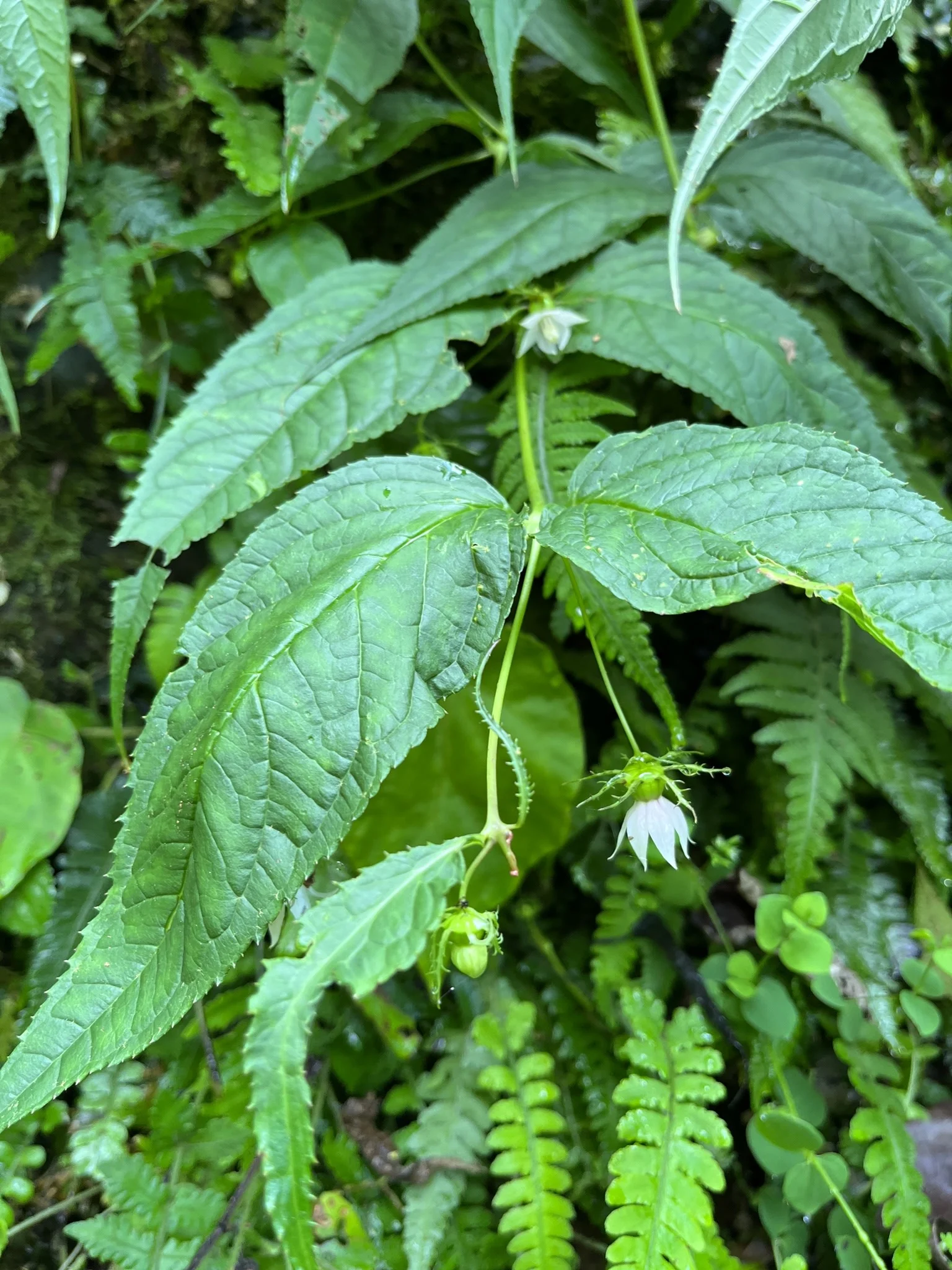
12. Spider berry
Spider berry is a soft-stemmed plant of the bellflower family from the mountain forests of East and South Asia, found in places such as southern China and Taiwan. It grows upright to between 30 cm and 1 m (1 to 3 ft) or more. Its round berries are about 1 cm (0.4 in) across.
Botanists have not settled on its name. It is sold as Campanumoea lancifolia or Cyclocodon lancifolius, and some now treat the Chinese and Taiwanese plants as a separate species. Descriptions of the fruit differ too: most show it dark purple, but some forms are pale. The berry is eaten where it grows, but almost nothing has been written about its taste. Each berry keeps long, thread-like lobes from the flower, which may be where the spider name comes from. In Taiwan it is called spider fruit.
Why it's rare: It has never been grown as a crop. The berries are picked from wild plants in the mountains where it grows, and it is almost never found outside Asia.
Berries of the southern hemisphere
13. Midyim
Midyim (Austromyrtus dulcis) is a low shrub from the sandy coast of eastern Australia, between northern New South Wales and Fraser Island. It is usually about 1 m (3 ft) tall. Its berries are white, finely speckled with blue-black dots.
The taste is sweet and tangy, and some people find a hint of ginger. It has long been a favorite bush food of First Nations people.
Why it's rare: The berries are small and soft, so they are eaten fresh from the bush rather than sold. It suits sandy soil and makes a good low hedge or ground cover. Outside its home range, plant it under trees to shelter it from frost.
14. Maqui
Maqui (Aristotelia chilensis) is a small tree from Chile and Argentina with tiny purple-black berries. The taste is tart and a little like blackberry.
It can grow in mild climates with little frost. Male and female flowers are usually on separate trees, so fruit needs both.
Why it's rare: Most of the crop is still picked from wild trees, and the tiny berries spoil fast, so outside South America it is mostly sold as dried powder.
A berry from West Africa
15. Miracle berry
Miracle berry (Synsepalum dulcificum) is a shrub from West Africa. The small red fruit has little taste of its own. It contains a protein that makes sour foods taste sweet for a while after you eat it. A lemon can taste like a sugary lemonade.
Why it's rare: The fresh fruit keeps for only a few days, so outside West Africa it is mostly sold as freeze-dried tablets. The plant needs warmth, and acidic soil with no tolerance for frost at all. It grows slowly, but it does well in a pot indoors and can fruit after a few years. Add peat moss and some elemental sulfur to get to its ideal soil pH, between 4.5 and 5.8. If your plant keeps dying and you've been wondering why, it's because of this. Every time you water, you are lowering the acidity. The apothecary has it as miracle fruit.
A warning about wild berries
Some berries on this list grow wild, and so do poisonous ones. Deadly nightshade, yew, baneberry and many honeysuckles all have attractive berries. Some can kill.
Never guess with wild berries
A blog post, a photo or an app is never enough to decide a wild berry is safe to eat. Have it confirmed in person by a local expert, such as a foraging teacher or a botanical society. Check local rules on picking too, because some wild berry plants and sites are protected.
If you want to grow one of these plants, buy it from a nursery or grow it from seed. Do not dig plants from the wild. Wild plants rarely survive the move, and digging damages places that are often protected.
Which rare berries can you really grow?
Which berry suits your garden
Cold-winter gardens
- Aronia: very hardy, fruits on its own, puts up with poor soil.
- Silver buffaloberry: hardy and drought proof, needs a male and a female.
- Lingonberry and bilberry: need acid soil.
- Arctic raspberry: low ground cover for cool summers.
- Bearberry: evergreen ground cover for sunny, sandy or rocky soil.
Mild and temperate gardens
- Sea buckthorn: a tough shrub for sun.
- Maqui: mild climates with little frost.
- Midyim: sandy soil, shelter from frost.
Warm gardens or indoor pots
- Miracle berry: a pot plant in most climates.
- Bignay: a tree for frost-free gardens.
- Spider berry: a curiosity for a warm, sheltered spot.
Best left to the wild
- Cloudberry: needs a cold bog.
- Crowberry and Kamchatka bilberry: need cool, damp northern conditions.
- Salmonberry: only for cool, damp regions with space.
You can keep track of your berry plants in My Floral Vault. For anything growing wild, a photo ID is a starting point for learning, never a check for eating.
Most rare berries are not rare in nature. They are rare in shops, because they are too soft to travel. The surest way to taste one is to grow it yourself.
Keep reading
- Browse the plant library to find more fruiting plants.
- Visit the apothecary for the medicinal uses and safety notes of bilberry, aronia, crowberry and more.
- See aronia in the library, one of the easiest rare berries to grow in a cold garden.
- Read the care guides before you plant to make sure every plant thrives.
- Find more posts on the blog.