Salmonberry
Rubus Spectabilis
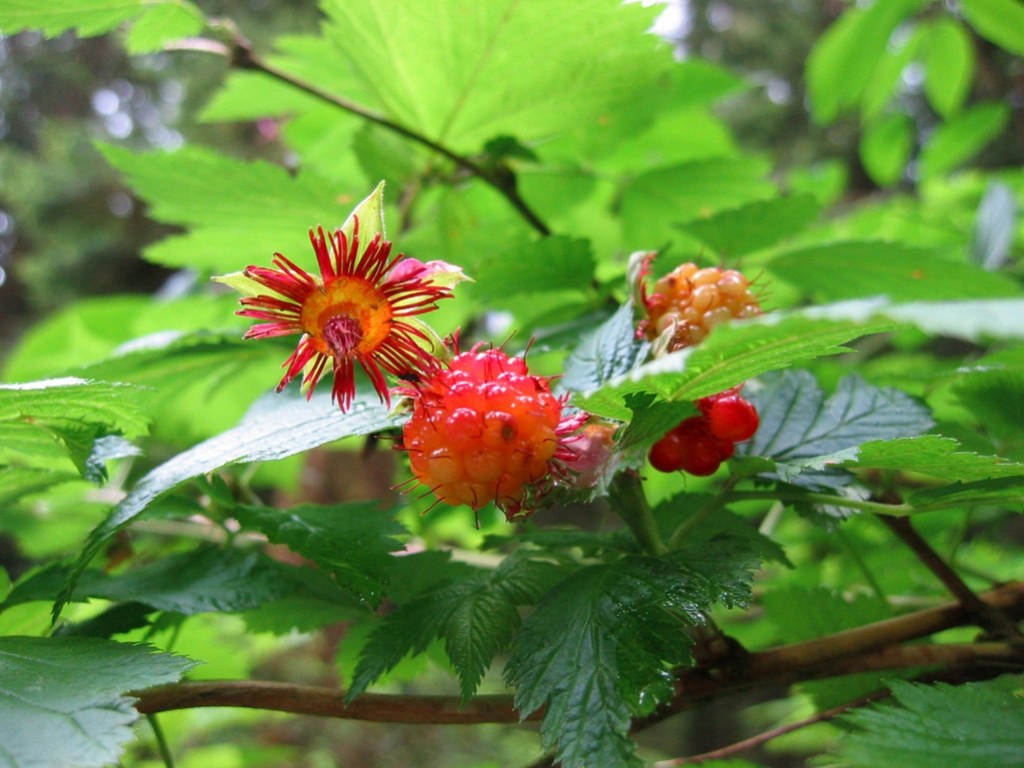
Medicinal Facts
Rubus spectabilis, commonly known as salmonberry, is distinguished by its unique blend of flavonoids, anthocyanins, and ellagitannins, which contribute to its antioxidant and anti-inflammatory properties. It sits at the intersection of traditional Indigenous medicine, where it is used for digestive and respiratory support, and modern phytochemical research, which explores its potential in oxidative stress modulation and metabolic health. The fruit's bioactive compounds are especially noted for their role in scavenging free radicals and modulating inflammatory pathways.
What it helps with
Oxidative stress & cellular protection
Salmonberry is rich in anthocyanins and ellagitannins, which are potent antioxidants. These compounds activate the Nrf2 pathway, enhancing the expression of phase II detoxifying enzymes such as glutathione S-transferase. This mechanism helps neutralize reactive oxygen species and protect cells from oxidative damage. The evidence is primarily from in vitro studies and traditional use.
Inflammation & immune modulation
Ellagitannins in salmonberry inhibit the NF-kB pathway, which is crucial in regulating the expression of pro-inflammatory cytokines like TNF-a and IL-6. This action may reduce systemic inflammation, as supported by animal models and traditional usage in treating inflammatory conditions.
Metabolic health & glucose regulation
Flavonoids in salmonberry, such as quercetin, modulate the AMPK pathway, which plays a role in enhancing insulin sensitivity and reducing hepatic glucose production. Preliminary animal studies suggest potential benefits in managing blood glucose levels and metabolic syndrome.
Cardiovascular health
Anthocyanins in salmonberry support cardiovascular health by improving endothelial function through the upregulation of endothelial nitric oxide synthase (eNOS), leading to better vasodilation and blood flow. Human evidence is limited, but the traditional use and preclinical studies provide a basis for further research.
Digestive health
Traditionally, salmonberry has been used to support digestive health, likely due to its tannin content, which can exert astringent effects on the gastrointestinal tract. This may help in conditions like diarrhea by reducing intestinal inflammation and secretion.
Respiratory support
In Indigenous medicine, salmonberry leaves and roots have been used to alleviate respiratory issues. This is thought to be due to their anti-inflammatory properties, mediated by the inhibition of inflammatory mediators via the NF-kB pathway.
Skin health & wound healing
The antioxidant properties of salmonberry, especially from its anthocyanins, may support skin health by reducing oxidative stress and inflammation. Traditional applications include using the leaves as a poultice for cuts and wounds, which may benefit from the plant's antimicrobial and healing-promoting properties.
Key active compounds
Anthocyanins
These are polyphenolic compounds responsible for the red and purple pigmentation of the berries. They act as antioxidants, scavenging free radicals and activating the Nrf2 pathway to enhance cellular defense mechanisms.
Ellagitannins
A type of polyphenol with strong antioxidant properties. They inhibit NF-kB, reducing inflammation, and are converted into urolithins in the gut, which have additional health benefits.
Quercetin
A flavonoid that modulates the AMPK pathway, enhancing insulin sensitivity and exerting anti-inflammatory effects through the inhibition of cyclooxygenase (COX) enzymes.
Catechins
These flavonoids contribute to the antioxidant capacity of salmonberry, engaging in free radical scavenging and modulating signaling pathways involved in oxidative stress.
Tannins
Polyphenolic compounds with astringent properties, traditionally used for gastrointestinal issues. They may also contribute to antimicrobial activity.
Vitamin C
An essential nutrient and antioxidant that supports immune function and skin health by promoting collagen synthesis and protecting against oxidative damage.
What the research says
Research on salmonberry focuses on its antioxidant and anti-inflammatory properties. Anthocyanins and ellagitannins show strong preclinical evidence for reducing oxidative stress and inflammation, primarily in vitro and animal studies. Quercetin and catechins are investigated for their roles in metabolic regulation and cardiovascular health, with limited human data. The main limitation in translating these findings to clinical use is the variability in bioactive compound concentration and bioavailability. Future studies may focus on standardized extracts and enhanced delivery systems to improve efficacy.
Typical dosage
For a tea or infusion, use 1-2 teaspoons of dried leaves per cup of boiling water, steep for 10-15 minutes, and consume up to three times daily. Tinctures can be taken at a dosage of 1-2 ml up to three times a day. Fresh berries can be consumed as desired, but moderation is advised due to their natural sugar content. For a poultice, mash fresh leaves and apply directly to the skin as needed.
About Salmonberry
Traditional Use
Preparations & Dosage
Preparations
- Tea / Infusion: Use 1-2 teaspoons of dried salmonberry leaves per cup of boiling water. Steep for 10-15 minutes, strain, and serve. Add honey or lemon for flavor if desired.
- Tincture: Combine 1 part dried salmonberry leaves with 5 parts alcohol (such as vodka) in a jar. Seal and store in a cool, dark place for 4-6 weeks, shaking occasionally. Strain and store the tincture in a dark glass bottle.
- Poultice: Mash fresh salmonberry leaves into a paste. Apply directly to the affected skin area and cover with a clean cloth. Leave on for 20-30 minutes, then rinse off.
Interactions & Warnings
Use with caution
Salmonberry is generally considered safe for consumption and use in traditional remedies. However, individuals with allergies to plants in the rose family should exercise caution. Pregnant or breastfeeding women should consult a healthcare provider before use.
Herb Interactions
Combining with ginger may enhance digestive benefits but could increase the risk of mild gastrointestinal discomfort in sensitive individuals.
Community Plants
Real plants of this species grown and shared by the MyFloralVault community.

More in Digestive Health


Was this helpful?
0 · 0
Care Guide Available
Learn how to grow and care for Salmonberry at home