Bibhitaki
Terminalia Bellirica
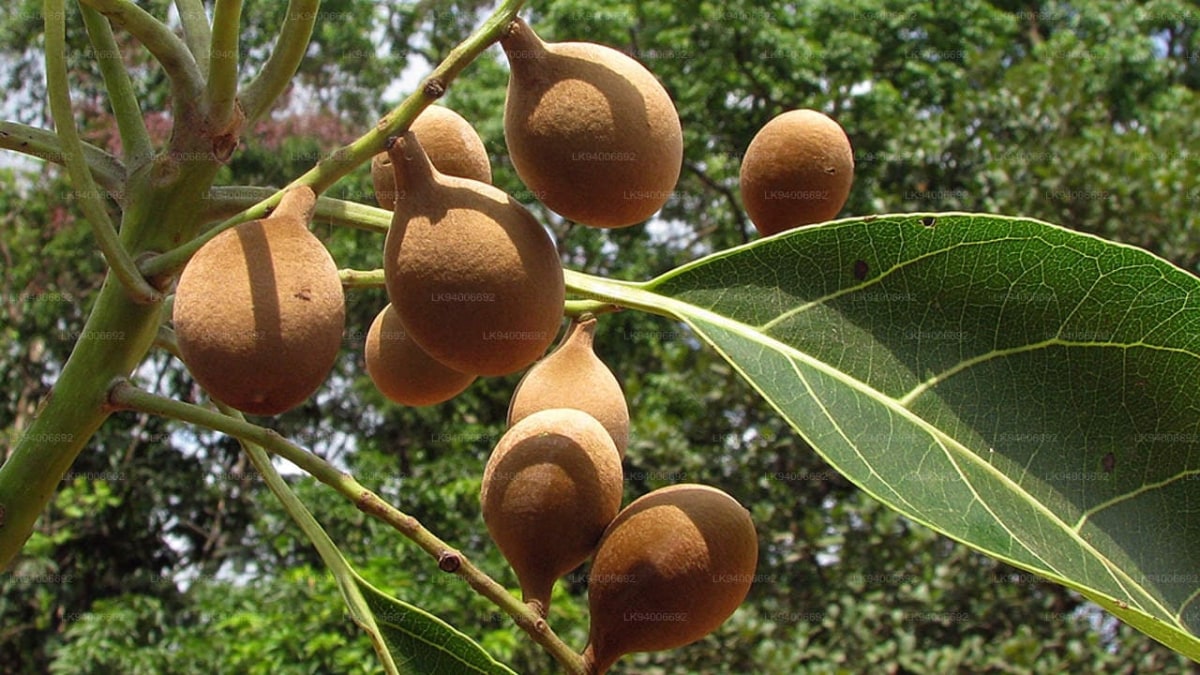
Medicinal Facts
Bibhitaki, or Terminalia bellirica, is rich in tannins, flavonoids, and lignans, with gallic acid and ellagic acid being the headline active compounds. It sits at the crossroads of Ayurvedic medicine, where it is a key component of the Triphala formulation, and modern research focusing on its antioxidant, anti-inflammatory, and lipid-lowering properties. Its traditional uses for respiratory, digestive, and metabolic health are increasingly supported by studies on its molecular mechanisms, including modulation of NF-kB and PPAR pathways.
What it helps with
Respiratory health
Bibhitaki has traditionally been used for respiratory conditions such as asthma and bronchitis. Gallic acid and ellagic acid inhibit the NF-kB pathway, reducing the expression of pro-inflammatory cytokines like TNF-a and IL-6. This action helps in decreasing airway inflammation and hyperresponsiveness, with evidence primarily from animal studies.
Digestive health
Traditionally used to support digestion, Bibhitaki's tannins and lignans stimulate digestive enzymes and modulate gut microbiota. Gallic acid acts as a prebiotic, enhancing beneficial bacteria, while ellagic acid reduces gut inflammation by inhibiting COX-2 and NF-kB. Human trials are limited, but traditional use is well-documented.
Lipid metabolism
Bibhitaki may support lipid metabolism through the activation of PPAR-alpha, leading to increased fatty acid oxidation and reduced triglyceride levels. Gallic acid is particularly noted for its ability to modulate lipid profiles in animal models, showing potential for managing hyperlipidemia.
Antioxidant support
The high content of polyphenols, including gallic acid and ellagic acid, provides robust antioxidant support by scavenging free radicals and upregulating Nrf2 pathways. This action enhances cellular antioxidant defenses, with evidence from in vitro and animal studies.
Anti-inflammatory effects
Bibhitaki exerts anti-inflammatory effects through the inhibition of NF-kB and COX-2, reducing the production of inflammatory mediators. This mechanism is supported by both in vitro and animal studies, suggesting potential benefits in inflammatory conditions.
Metabolic syndrome
Research suggests that Bibhitaki may ameliorate components of metabolic syndrome by improving insulin sensitivity and reducing oxidative stress. Gallic acid activates AMPK, enhancing glucose uptake and energy metabolism. Evidence is primarily from preclinical studies.
Liver protection
Bibhitaki has hepatoprotective properties, attributed to its ability to modulate oxidative stress and inflammation. Ellagic acid enhances the expression of antioxidant enzymes via Nrf2 activation, protecting hepatocytes from damage, with supporting evidence from animal studies.
Key active compounds
Gallic acid
A phenolic acid with strong antioxidant properties. It inhibits NF-kB and COX-2, reducing inflammation and oxidative stress. It also acts as a prebiotic, supporting gut health.
Ellagic acid
A polyphenol known for its antioxidant and anti-inflammatory effects. It modulates Nrf2 and NF-kB pathways, protecting against cellular damage and inflammation.
Tannins
Polymeric phenolic compounds that bind to proteins and other organic compounds, exerting astringent and antimicrobial effects. They contribute to the digestive benefits of Bibhitaki.
Flavonoids
A diverse group of polyphenolic compounds that provide antioxidant and anti-inflammatory effects. They modulate various signaling pathways, including NF-kB and MAPK.
Lignans
Phenolic compounds with antioxidant activity. They are involved in modulating lipid metabolism and improving gut health.
Chebulagic acid
A tannin with potent anti-inflammatory and antimicrobial properties, contributing to the overall therapeutic profile of Bibhitaki.
Chebulinic acid
An ellagitannin that enhances the antioxidant capacity of cells by modulating the Nrf2 pathway, providing protection against oxidative stress.
What the research says
Research on Bibhitaki focuses on its antioxidant, anti-inflammatory, and lipid-lowering properties. Gallic acid and ellagic acid are the most studied compounds, with evidence primarily from in vitro and animal models. These studies highlight their role in modulating key pathways like NF-kB and Nrf2. Human clinical trials are limited, but traditional use in formulations like Triphala supports its therapeutic potential. The main limitation is the translation of preclinical findings to human applications, with ongoing research exploring enhanced bioavailability and standardized extracts to address this gap.
Typical dosage
For powder form, a typical dosage is 3-6 grams per day, mixed with water or honey. Decoctions can be made by boiling 1-2 teaspoons of the dried fruit in water for 10-15 minutes, consumed once or twice daily. Tinctures are usually taken at a dose of 1-2 ml, 2-3 times a day. Capsules typically contain 500 mg to 1 gram of Bibhitaki extract, taken 1-2 times daily. Always consult with a healthcare provider for personalized dosing.
About Bibhitaki
Traditional Use
Preparations & Dosage
Preparations
- Powder: Mix 3-6 grams of Bibhitaki powder with warm water or honey. Consume once or twice daily, preferably on an empty stomach for digestive benefits.
- Decoction: Boil 1-2 teaspoons of dried Bibhitaki fruit in 2 cups of water for 10-15 minutes. Strain and drink warm.
- Tincture: Take 1-2 ml of Bibhitaki tincture diluted in a small amount of water, 2-3 times daily.
Interactions & Warnings
Use with caution
Bibhitaki should be used with caution by individuals with chronic gastrointestinal conditions or those on medication for liver disorders. Pregnant and breastfeeding women should consult a healthcare provider before use. Overconsumption can lead to gastrointestinal upset.
Herb Interactions
Combined use may enhance digestive effects, potentially leading to increased gastrointestinal motility.
May enhance anti-inflammatory and antioxidant effects when used together.
Community Plants
Real plants of this species grown and shared by the MyFloralVault community.

More in Digestive Health


Was this helpful?
0 · 0