Huanglian
Coptis Chinensis
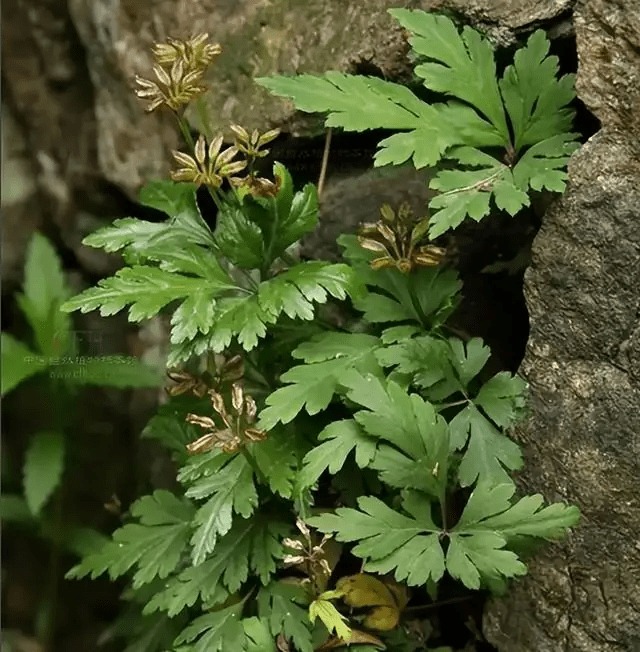
Medicinal Facts
Coptis chinensis, known as Huanglian, is a cornerstone of traditional Chinese medicine, primarily due to its high berberine content. It sits at the intersection of ancient herbal protocols for digestive and infectious ailments and modern pharmacological research into metabolic and cardiovascular health. Berberine, along with other alkaloids like coptisine and palmatine, provides a broad spectrum of antimicrobial, anti-inflammatory, and metabolic regulatory effects. The plant's therapeutic potential is often limited by the bioavailability of its active compounds, which has spurred research into enhanced delivery methods.
What it helps with
Digestive disorders
Berberine acts as an antimicrobial agent by inhibiting bacterial DNA gyrase and topoisomerase IV, which disrupts bacterial replication and survival. It also modulates the gut microbiota composition, enhancing beneficial bacteria and suppressing pathogens. Human trials have shown efficacy in treating diarrhea and bacterial dysentery, reflecting its traditional use.
Metabolic syndrome
Berberine activates AMP-activated protein kinase (AMPK), which improves insulin sensitivity and reduces hepatic glucose production. This results in lowered fasting blood glucose and improved lipid profiles, as seen in several human trials. Its effect on AMPK mirrors the action of metformin, making it a potential adjunct in type 2 diabetes management.
Cardiovascular health
Berberine enhances endothelial function by upregulating endothelial nitric oxide synthase (eNOS), which improves vasodilation and reduces blood pressure. Animal studies and small human trials suggest it can lower LDL cholesterol and triglycerides, contributing to atherosclerosis prevention.
Infections
Berberine and coptisine exhibit broad-spectrum antimicrobial activity by disrupting microbial cell membranes and inhibiting biofilm formation. This action is supported by in vitro studies and traditional use in treating bacterial and fungal infections.
Inflammation
Berberine inhibits the NF-kB pathway, reducing the expression of pro-inflammatory cytokines like TNF-a and IL-6. This anti-inflammatory effect is observed in both animal models and human studies, supporting its use in inflammatory conditions such as arthritis.
Liver protection
Berberine modulates the Nrf2 pathway, enhancing the expression of antioxidant enzymes such as glutathione S-transferase. This mechanism underlies its hepatoprotective effects, which have been validated in animal models of liver injury.
Cancer research
In preclinical models, berberine induces apoptosis and cell cycle arrest in cancer cells by modulating pathways like p53 and AMPK. While promising, these effects are primarily observed in vitro, and clinical evidence remains limited.
Key active compounds
Berberine
An isoquinoline alkaloid that acts as an AMPK activator, DNA gyrase inhibitor, and NF-kB modulator. It has low oral bioavailability, which is a focus of formulation improvements.
Coptisine
Another alkaloid with antimicrobial properties, it disrupts bacterial cell membranes and enhances the overall antimicrobial profile of Coptis chinensis.
Palmatine
An alkaloid that contributes to the antimicrobial and anti-inflammatory effects, often studied for its synergistic effects with berberine.
Jatrorrhizine
An alkaloid with antioxidant properties, it complements berberine's effects by reducing oxidative stress and enhancing cellular defense mechanisms.
Epiberberine
A minor alkaloid that supports metabolic regulation, particularly in glucose metabolism, through mechanisms similar to berberine.
Magnoflorine
A quaternary ammonium alkaloid with sedative and anti-inflammatory properties, contributing to the plant's calming effects.
What the research says
Research on Coptis chinensis is robust, with berberine being the most studied compound. Human trials have demonstrated its efficacy in managing type 2 diabetes and metabolic syndrome, primarily through AMPK activation. Cardiovascular benefits are supported by small human studies showing improvements in lipid profiles and endothelial function. Preclinical research highlights its antimicrobial and anti-inflammatory properties, but human data are less comprehensive. The main limitation is berberine's poor bioavailability, which is being addressed through novel formulations such as nanoparticles and liposomal encapsulations to enhance absorption and efficacy.
Typical dosage
For decoctions, use 3-6 grams of dried root per day, simmered in water for 20-30 minutes. For tinctures, a typical dosage is 1-2 ml taken 2-3 times daily. Capsules and powders can be taken in doses of 500 mg to 1 gram, 1-2 times daily. Topical applications should be used as directed by a healthcare provider. Always start with the lowest effective dose and adjust as necessary.
About Huanglian
Traditional Use
Preparations & Dosage
Preparations
- Decoction: Use 3-6 grams of dried Coptis chinensis root. Add to 500 ml of water, bring to a boil, then simmer for 20-30 minutes. Strain and drink up to twice daily.
- Powder: Take 500 mg to 1 gram of Coptis chinensis powder. Mix with water or juice and consume 1-2 times daily.
- Tincture: Use 1-2 ml of Coptis chinensis tincture. Dilute in a small amount of water and take 2-3 times daily.
Interactions & Warnings
Use with caution
Coptis chinensis should be used with caution, particularly in individuals with gastrointestinal sensitivity or those who are pregnant or breastfeeding. High doses can cause gastrointestinal upset. It may interact with certain medications, including anticoagulants and antidiabetic drugs.
Herb Interactions
Combined use may enhance digestive effects, which could lead to gastrointestinal discomfort if not monitored.
Both have blood-thinning properties, which could increase bleeding risk if used together excessively.
Community Plants
Real plants of this species grown and shared by the MyFloralVault community.

More in Digestive Health


Was this helpful?
0 · 0
Care guides for related plants
Care Guide Available
Learn how to grow and care for Huanglian at home