Myrobalan
Terminalia Chebula
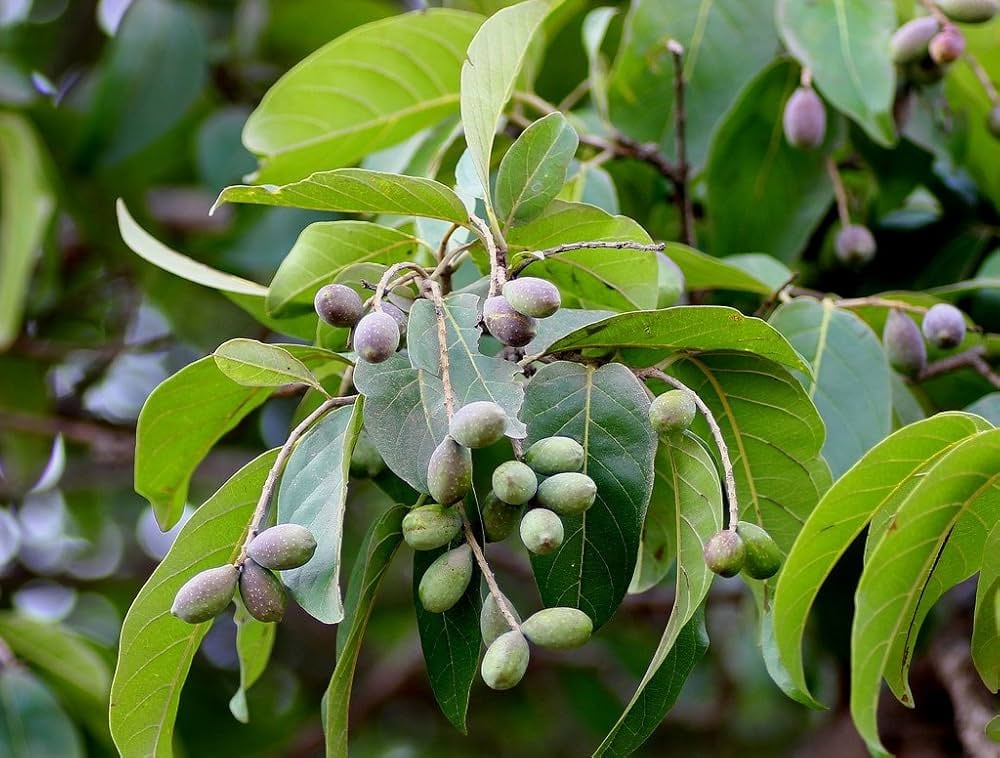
Medicinal Facts
Terminalia chebula, commonly known as Myrobalan, is rich in tannins and polyphenolic compounds, notably chebulagic acid, chebulinic acid, and gallic acid. It stands at the intersection of traditional Ayurvedic practices, where it is a key component of the Triphala formulation for digestive and systemic health, and modern pharmacological research exploring its antioxidant and antimicrobial properties. Its diverse applications are supported by its ability to modulate various biochemical pathways, although its traditional uses often outpace clinical validation.
What it helps with
Digestive health & gastrointestinal disorders
Chebulagic acid and chebulinic acid exhibit significant anti-ulcerogenic activity by inhibiting gastric H+/K+ ATPase and reducing gastric acid secretion. These compounds also enhance mucosal defense through increased prostaglandin synthesis. Animal studies support its use in peptic ulcer management, with traditional use in Ayurveda for promoting digestion and alleviating constipation.
Antimicrobial activity
Gallic acid and ellagic acid in Terminalia chebula show broad-spectrum antimicrobial effects by disrupting microbial cell walls and inhibiting bacterial DNA gyrase. In vitro studies highlight efficacy against pathogenic bacteria like Staphylococcus aureus and Escherichia coli, suggesting potential for addressing antibiotic resistance.
Antioxidant effects
The polyphenolic compounds, particularly chebulagic acid, scavenge free radicals and upregulate endogenous antioxidant enzymes such as superoxide dismutase (SOD) and catalase. This action helps mitigate oxidative stress, with evidence from both in vitro and animal models supporting its use in oxidative damage-related conditions.
Anti-inflammatory activity
Chebulagic acid inhibits the NF-kB signaling pathway, reducing the expression of pro-inflammatory cytokines like TNF-alpha and IL-6. This mechanism underlies its traditional use in inflammatory conditions, with preclinical models showing reduction in edema and inflammatory markers.
Liver protection
Chebulinic acid exerts hepatoprotective effects by enhancing the expression of Nrf2, leading to increased production of phase II detoxifying enzymes. Animal studies demonstrate protection against chemically induced liver damage, supporting its traditional use in liver health.
Diabetes management
Chebulagic acid inhibits alpha-glucosidase and alpha-amylase enzymes, reducing postprandial blood glucose levels. This action is supported by animal studies, which show improved glycemic control, although human data are limited.
Cancer-adjunct research
Gallic acid induces apoptosis in cancer cells by activating caspase pathways and modulating the expression of pro-apoptotic and anti-apoptotic proteins. In vitro studies show potential against various cancer cell lines, although clinical evidence is still emerging.
Longevity & cellular aging
Polyphenols in Terminalia chebula, such as chebulagic acid, may activate sirtuin pathways (SIRT1), promoting cellular longevity and stress resistance. This is an area of active research, with potential implications for aging and age-related diseases, though primarily supported by preclinical data.
Key active compounds
Chebulagic acid
A tannin with strong antioxidant and anti-inflammatory properties. It inhibits NF-kB and modulates various digestive enzymes, contributing to its gastrointestinal benefits.
Chebulinic acid
A hydrolyzable tannin that supports liver health by activating Nrf2 and enhancing detoxification pathways. It also contributes to the plant's antimicrobial effects.
Gallic acid
A phenolic acid with potent antimicrobial and pro-apoptotic activities. It interferes with microbial DNA synthesis and promotes apoptosis in cancer cells.
Ellagic acid
A polyphenol with antioxidant and antimicrobial properties. It disrupts microbial cell walls and has been studied for its potential in cancer prevention.
Tannins
A diverse group of polyphenolic compounds that provide astringency and contribute to the plant's antimicrobial and antioxidant activities.
Flavonoids
These compounds enhance the antioxidant capacity of Terminalia chebula by scavenging free radicals and modulating cellular redox status.
Saponins
These compounds contribute to the plant's traditional use in digestive health by modulating gut flora and enhancing nutrient absorption.
What the research says
Research on Terminalia chebula focuses on its antioxidant, antimicrobial, and anti-inflammatory properties. Chebulagic acid and chebulinic acid have the strongest preclinical evidence, particularly in animal and in vitro models for digestive and liver health. Human studies are limited but suggest potential benefits, especially in traditional formulations like Triphala. The main limitation is the translation of these effects to clinical outcomes, with bioavailability and standardization of extracts being key challenges. Efforts to enhance bioavailability through formulation strategies, such as using adjuncts or novel delivery systems, are ongoing to better harness its therapeutic potential.
Typical dosage
For powder form, a common dosage is 1-2 grams taken once or twice daily, mixed with water or honey. In tincture form, 1-2 ml can be taken up to three times a day. Capsules typically contain 500 mg, with a recommended dose of 1-2 capsules daily. For tea or infusion, steep 1 teaspoon of dried fruit in hot water for 10-15 minutes, consuming up to twice daily. Always start with a lower dose to assess tolerance.
About Myrobalan
Traditional Use
Preparations & Dosage
Preparations
- Tea / Infusion: Boil water and pour over 1 teaspoon of dried Terminalia chebula fruit. Cover and let steep for 10-15 minutes. Strain and drink warm. Add honey or lemon for taste if desired.
- Powder: Mix 1-2 grams of Terminalia chebula powder with warm water or honey. Consume once or twice daily, preferably before meals.
- Tincture: Take 1-2 ml of Terminalia chebula tincture in a small amount of water or juice. Consume up to three times daily.
- Capsule: Take 1-2 capsules (500 mg each) with water, once or twice daily.
Interactions & Warnings
Use with caution
Terminalia chebula should be used with caution in individuals with diarrhea or loose stools, as it has laxative properties. Pregnant and breastfeeding women should consult a healthcare provider before use. It may interact with medications affecting blood sugar levels.
Herb Interactions
Combining with other laxatives like senna may cause excessive bowel movements and dehydration.
May enhance digestive effects, leading to potential gastrointestinal discomfort.
Community Plants
Real plants of this species grown and shared by the MyFloralVault community.

More in Digestive Health


Was this helpful?
0 · 0
Care guides for related plants
Care Guide Available
Learn how to grow and care for Myrobalan at home