Slippery Elm
Ulmus Rubra
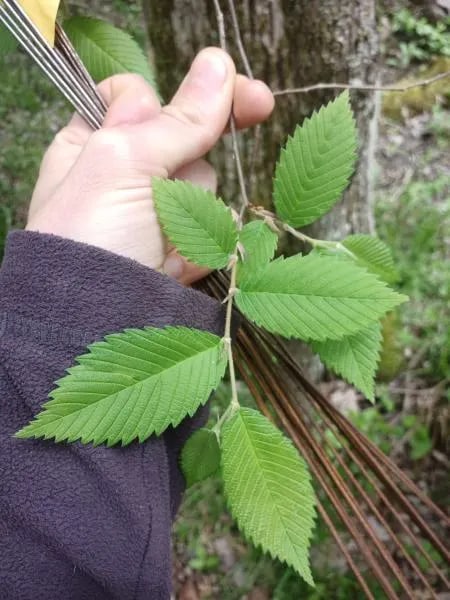
Medicinal Facts
Slippery Elm, known scientifically as Ulmus rubra, is renowned for its mucilage content, which is a polysaccharide that forms a soothing gel when mixed with water. This plant sits at the intersection of traditional Native American medicine, where it has been used for digestive and respiratory ailments, and modern herbalism, which explores its demulcent and anti-inflammatory properties. The mucilage is complemented by tannins and flavonoids, contributing to its therapeutic profile. Its primary applications are in soothing mucous membranes and supporting gastrointestinal health.
What it helps with
Gastrointestinal inflammation
The mucilage in Slippery Elm coats the mucous membranes of the gastrointestinal tract, providing a protective barrier and reducing irritation. It may modulate inflammatory cytokines through interactions with the gut-associated lymphoid tissue (GALT), although human evidence is largely anecdotal and based on traditional use.
Sore throat & cough
Slippery Elm's mucilage forms a soothing film over the throat, which can help reduce irritation and cough reflex. This demulcent action is primarily mechanical, but it may also involve modulation of local inflammation through tannin interaction with epithelial cells.
Irritable bowel syndrome (IBS)
The mucilage may help in IBS by normalizing bowel movements and soothing the intestinal lining. It potentially affects gut motility and mucosal integrity through the modulation of gut microbiota, as suggested by preclinical studies.
Gastritis & peptic ulcers
The mucilage's protective action against stomach acid and its potential to enhance mucosal prostaglandin synthesis contribute to its traditional use in gastritis and ulcer management. This protective effect is supported by animal models showing reduced gastric lesions.
Skin conditions & wounds
Topically, Slippery Elm is used for its soothing and anti-inflammatory properties, aiding in the healing of minor wounds and skin irritations. The tannins may contribute to the astringent effect, promoting tissue tightening and reducing inflammation.
Constipation
The mucilage can act as a mild bulk-forming laxative by absorbing water and increasing stool volume, which stimulates peristalsis. This effect is primarily mechanical, with limited direct evidence but supported by traditional use.
Respiratory health
In respiratory conditions, Slippery Elm's mucilage can help soothe irritated mucous membranes in the respiratory tract, though this use is more traditional and lacks robust clinical validation. The soothing effect may indirectly support immune function by maintaining mucosal integrity.
Key active compounds
Mucilage
A polysaccharide that forms a gel-like substance when hydrated. It coats and soothes mucous membranes, providing a protective barrier against irritants and aiding in moisture retention.
Tannins
Polyphenolic compounds that have astringent properties, which can tighten tissues and reduce inflammation. They may also contribute to antimicrobial effects.
Flavonoids
These compounds have antioxidant properties and may modulate inflammatory pathways, though their specific roles in Slippery Elm are less well-defined compared to other plants.
Calcium oxalate
Present in the bark, it may contribute to the plant's texture and potentially its soothing properties, though it is more often noted for its role in plant structure.
Phytosterols
These compounds can modulate cholesterol absorption in the gut and may contribute to the plant's overall anti-inflammatory profile.
Starch
Acts as an energy reserve and may contribute to the bulk-forming laxative effect by absorbing water and increasing stool volume.
What the research says
Research on Slippery Elm is primarily focused on its mucilage and its role in soothing mucous membranes. Most evidence is derived from traditional use and preclinical models, with human trials being sparse and often anecdotal. The mucilage's mechanical action is well-documented, but its biochemical interactions with gut microbiota and immune modulation are areas of active inquiry. The main limitation in clinical research is the lack of standardized extracts and the variability in mucilage content, which complicates dosing and efficacy assessments. Future studies could benefit from standardized preparations to better assess its therapeutic potential.
Typical dosage
For tea or infusion, use 1-2 teaspoons of powdered bark per cup of boiling water, steep for 10-15 minutes, and drink up to three times daily. For capsules, follow the manufacturer's recommended dosage, typically 400-500 mg up to three times per day. Lozenges can be taken as needed for throat irritation, usually every 2-3 hours. When using as a poultice, mix the powder with warm water to form a paste and apply directly to the affected area, changing the poultice every few hours.
About Slippery Elm
Traditional Use
Preparations & Dosage
Preparations
- Tea / Infusion: Boil water and pour over 1-2 teaspoons of Slippery Elm powder. Cover and steep for 10-15 minutes. Strain and drink warm. Add honey or lemon for flavor if desired.
- Powder: Mix 1 teaspoon of Slippery Elm powder with a glass of water or juice. Stir well and drink immediately. Can be taken 1-3 times daily.
- Capsule: Take 400-500 mg capsules with a full glass of water, preferably before meals. Follow the manufacturer's dosage instructions.
- Lozenge: Dissolve one lozenge slowly in the mouth every 2-3 hours as needed for throat irritation.
- Poultice: Mix Slippery Elm powder with warm water to form a thick paste. Apply to the affected area and cover with a clean cloth. Change every few hours.
Interactions & Warnings
Use with caution
Slippery Elm is generally considered safe for most people when used appropriately. However, it may interfere with the absorption of certain medications if taken simultaneously. Pregnant or breastfeeding women should consult a healthcare provider before use.
Herb Interactions
Both herbs form a mucilage that can coat the stomach lining, potentially affecting the absorption of medications.
Community Plants
Real plants of this species grown and shared by the MyFloralVault community.
More in Digestive Health


Was this helpful?
0 · 0
Care Guide Available
Learn how to grow and care for Slippery Elm at home