Slippery Elm
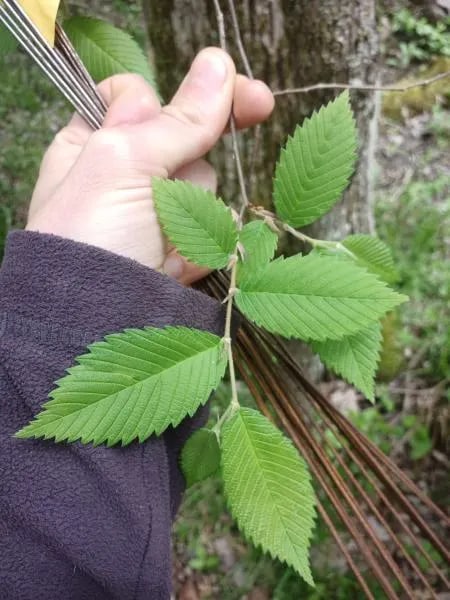
Description by @jominime
Slippery elm contains a type of soft fiber called mucilage. Mucilage can decrease how much medicine the body absorbs.
When mixed with water, slippery elm forms a thick, gel-like substance called mucilage, which coats and soothes mucous membranes.
The mucilage helps protect and heal the digestive tract by forming a protective barrier that reduces inflammation. Beyond digestion, slippery elm is also used for treating respiratory conditions like sore throats and coughs, as well as topical skin irritations such as hot spots or burns.
Folklore says that slippery elm bark can cause a miscarriage when it's inserted into the cervix during pregnancy. Over the years, slippery elm gained a reputation for being used for abortions, even when taken by mouth.
Americans would peel its slimy, red inner bark from twigs and branches and use it therapeutically.
They found that when the bark is mixed with water, it generates a sticky material known as mucilage, which is therapeutic and soothing to anything it touches. The Native Americans would also wrap the inner bark of the slippery elm around their meat to keep it from going bad. not used for long-term storage, but rather for keeping meat fresh for shorter periods, such as during travel.
tldr: https://www.healthline.com/health/food-nutrition/slippery-elm-bark#How-Do-I-Use-Slippery-Elm-Bark?
It is a non-toxic herb, and most dogs tolerate it well, especially since its mild, sweet taste is usually palatable.
it's crucial to consult with a veterinarian before adding any supplement, including slippery elm, to your dog’s regimen, if your dog is taking other medications. This is because slippery elm can interfere with the absorption of other drugs due to its mucilaginous properties.
Related Plants
Plant information is for educational purposes only.