Arjuna
Terminalia Arjuna
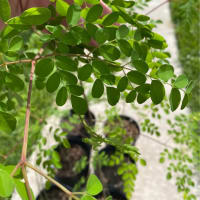
Arjuna, also known as Terminalia Arjuna, is a magnificent tree celebrated for its medicinal benefits and striking appearance. Native to the Indian subcontinent, it thrives in warm climates and is often grown for its beautiful foliage and bark.
Everything it needs
9 essentials at a glance
Watering
Arjuna prefers consistently moist soil but should not be waterlogged.
Water deeply once a week during the growing season (spring and summer), allowing the top inch of soil to dry out between waterings. In fall and winter, reduce watering to every 10-14 days. Signs of over-watering include yellowing leaves and root rot, while under-watering may cause leaf drop and wilting.
Light
Arjuna thrives in full sun to partial shade.
Ideally, it should receive at least 6-8 hours of direct sunlight daily. While it can tolerate some shade, insufficient light may lead to leggy growth and reduced flowering.
Soil
The ideal soil for Arjuna is well-draining, loamy soil with a pH range of 6.0 to 7.5.
A potting mix containing peat, perlite, and compost is recommended to ensure good drainage and nutrient retention.
Humidity
Arjuna prefers moderate humidity levels around 40-60%.
To increase humidity, consider misting the leaves or placing a humidity tray filled with water and pebbles beneath the pot. Signs of low humidity stress include browning leaf tips and increased pest activity.
Temperature
Arjuna thrives in temperatures between 70-90°F (21-32°C) and can tolerate temperatures down to 50°F (10°C).
It is best suited for USDA hardiness zones 10-12. Protect the plant from frost and extreme heat, especially during summer.
Fertilizing
Use a balanced fertilizer with an NPK ratio of 10-10-10 during the growing season, applying every 4-6 weeks.
In fall and winter, reduce fertilization to once every 8-10 weeks. Signs of nutrient deficiency include yellowing leaves (nitrogen), poor growth (phosphorus), and leaf drop (potassium).
Pruning
Prune Arjuna in late winter or early spring to shape the plant and remove any dead or damaged branches.
Use sharp, clean pruning shears to make clean cuts. Deadheading spent flowers can encourage more blooms and improve overall appearance.
Repotting
Repot Arjuna every 2-3 years or when the roots outgrow the pot, indicated by roots growing out of the drainage holes.
Choose a pot that is 1-2 inches larger in diameter. To repot, gently remove the plant from its current pot, loosen any tightly bound roots, and place it in fresh potting mix, ensuring the root ball is at the same depth as before.
Propagation
Arjuna can be propagated through stem cuttings or seeds.
For stem cuttings, take a 6-inch cutting from a healthy plant, remove the lower leaves, and place it in a pot with moist potting mix. Keep the soil moist and place the pot in indirect light until roots develop, which usually takes 4-6 weeks. For seeds, soak them in water for 24 hours before planting in a seed-starting mix, keeping the soil consistently moist until germination.
When it's unhappy
Yellow leaves
Why it happens
Often caused by over-watering or nutrient deficiency.
How to fix it
Check soil moisture and adjust watering schedule. Fertilize with a balanced fertilizer if nutrient deficiency is suspected.
Leaf drop
Why it happens
Can occur due to sudden temperature changes, under-watering, or low humidity.
How to fix it
Maintain consistent temperature, ensure adequate watering, and increase humidity if necessary.
Root rot
Why it happens
Caused by over-watering and poor drainage.
How to fix it
Ensure proper drainage in the pot and reduce watering frequency. If root rot is severe, consider repotting into fresh soil.
Pest infestations (e.g., aphids, spider mites)
Why it happens
Pests are attracted to stressed plants or low humidity environments.
How to fix it
Regularly inspect the plant and treat infestations with insecticidal soap or neem oil.
Wilting leaves
Why it happens
Typically a sign of under-watering or extreme heat.
How to fix it
Check soil moisture and water thoroughly if dry. Provide shade during peak heat hours.
Care through the year
Spring
In spring, resume regular watering and fertilizing as the plant begins to grow actively. Prune any dead or damaged branches to encourage new growth.
Summer
During summer, ensure the plant receives adequate water, especially in hot weather. Consider providing some afternoon shade to prevent leaf scorch.
Fall
In fall, gradually reduce watering as the plant enters dormancy. Continue to monitor humidity levels and keep the plant in a warm environment.
Winter
In winter, reduce watering frequency to every 10-14 days. Protect the plant from cold drafts and ensure it receives enough light during shorter days.
Toxicity & Safety
Arjuna is considered non-toxic to pets and children. However, ingestion of large quantities may cause mild gastrointestinal upset. Always consult a medical professional if ingestion occurs.
Good to know
Why are my Arjuna leaves turning yellow?
Yellow leaves on your Arjuna can indicate over-watering or a nutrient deficiency. Check the soil moisture and adjust your watering schedule accordingly.
How often should I water my Arjuna?
Water your Arjuna deeply once a week during the growing season, allowing the top inch of soil to dry out between waterings. In winter, reduce watering to every 10-14 days.
What type of soil is best for Arjuna?
Arjuna thrives in well-draining loamy soil with a pH of 6.0 to 7.5. A mix of peat, perlite, and compost is ideal for promoting healthy growth.
How can I increase humidity for my Arjuna plant?
To increase humidity, mist the leaves regularly or place a humidity tray filled with water and pebbles beneath the pot. This helps create a more humid microenvironment.
When is the best time to prune my Arjuna?
The best time to prune your Arjuna is in late winter or early spring before new growth begins. This helps shape the plant and remove any dead or damaged branches.
Can I propagate Arjuna from cuttings?
Yes, Arjuna can be propagated from stem cuttings. Take a 6-inch cutting, remove lower leaves, and place it in moist potting mix until roots develop.
What are common pests that affect Arjuna?
Common pests include aphids and spider mites. Regularly inspect your plant and treat any infestations promptly with insecticidal soap or neem oil.
Grows well with

Related care guides
Explore remedies
Track this plant in your garden.
Set care reminders, log growth, and join a community of plant lovers.