Bibhitaki
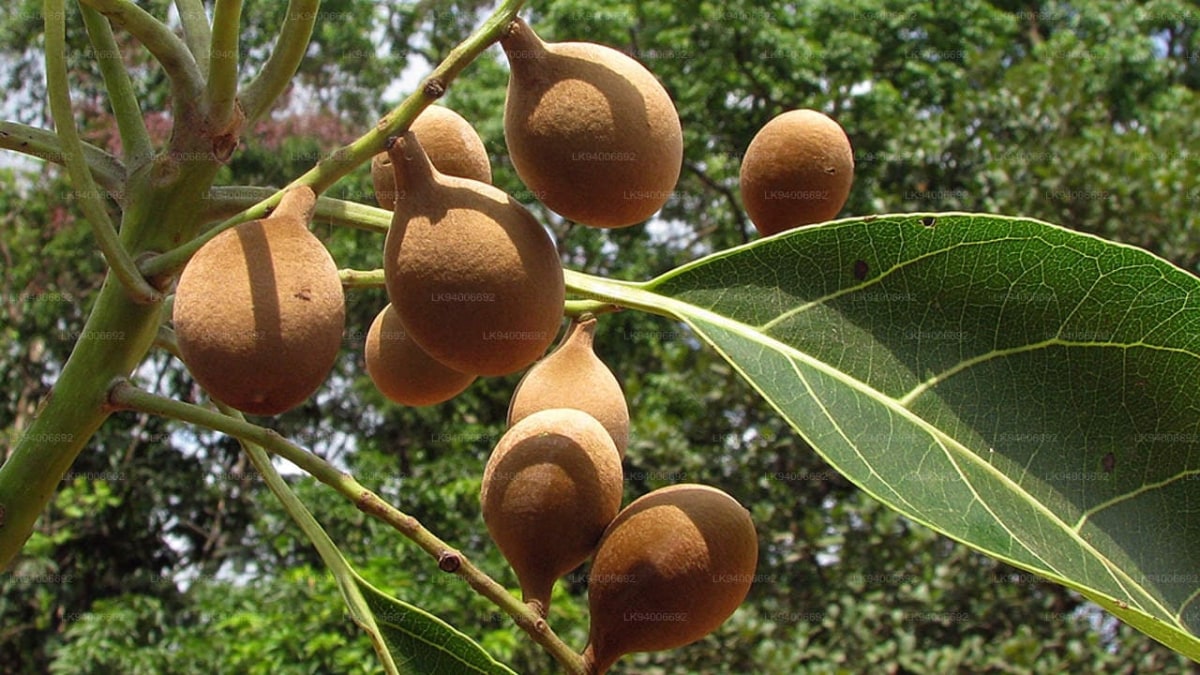
Description by @jominime
in ancient Ayurvedic text, T. bellirica fruits have qualities to diminish disease and bestow longevity, intellectual powers, and strength.
chebulagic acid (the dominant ellagitannin) is one of the most broadly antiviral plant compounds known.
it inhibits HIV-1 reverse transcriptase, blocks HSV-1 and HSV-2 entry through heparan sulfate proteoglycan binding inhibition, inhibits influenza neuraminidase (the same target as the pharmaceutical drug oseltamivir/Tamiflu), blocks HCV replication, and inhibits enterovirus 71. corilagin adds anti-HIV integrase activity.
T. bellirica aqueous and methanol extracts showed substantial zones of inhibition against Staphylococcus aureus and MRSA. T. bellirica methanolic extract showed noteworthy antibacterial activity against E. coli and ESBL E. coli strain.
marked bile stimulating activity and strong antioxidant properties confirmed.
ellagic acid from the fruit specifically prevents oxidative stress-induced hepatocyte apoptosis and reduces liver enzyme elevations (ALT/AST/ALP) comparably to the pharmaceutical hepatoprotective silymarin in head-to-head comparison.
documented cytotoxicity against prostate, lung, stomach, and breast cancer cell lines.
starch digestion inhibition and reduces blood pressure.
multiple uses of Terminalia bellirica include astringent, brain tonic, expectorant, laxative, febrifuge, and antiseptic.
the bark is used for tanning leather.
Related Plants
Plant information is for educational purposes only.