Bignay
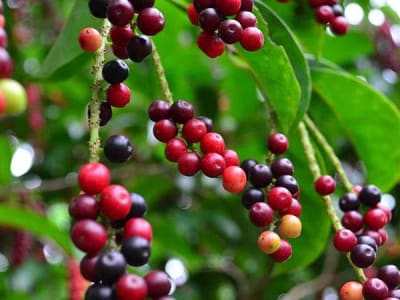
Antidesma Bunius

Medicinal Facts
Antidesma bunius, commonly known as Bignay, is rich in anthocyanins, flavonoids, and tannins, compounds that contribute to its potent antioxidant and anti-inflammatory properties. This plant is at the crossroads of traditional Southeast Asian medicine, where it is used for digestive and cardiovascular health, and modern research exploring its potential in metabolic syndrome and neuroprotection. Its diverse phytochemistry also makes it a subject of interest in the study of natural antimicrobial agents.
What it helps with
Cardiovascular health
The anthocyanins in Bignay enhance endothelial nitric oxide synthase (eNOS) activity, promoting vasodilation and improving blood flow. Flavonoids like quercetin further support cardiovascular health by inhibiting LDL oxidation and reducing platelet aggregation. Evidence from animal studies suggests these actions may lower the risk of atherosclerosis.
Metabolic syndrome
Bignay's polyphenols modulate glucose metabolism by activating AMP-activated protein kinase (AMPK), which enhances insulin sensitivity and reduces hepatic glucose production. Animal studies indicate potential benefits for managing blood sugar levels and weight, though human trials are needed to confirm these effects.
Neuroprotection
The antioxidant properties of Bignay's anthocyanins protect neurons from oxidative stress, a key factor in neurodegenerative diseases. In vitro studies show these compounds can inhibit acetylcholinesterase, potentially supporting cognitive function and memory. Human evidence is currently limited but promising.
Digestive health
Traditionally, Bignay is used to alleviate digestive issues. Its tannins exhibit astringent properties that may help reduce diarrhea by binding to proteins and forming a protective layer on the intestinal lining. This traditional use is supported by anecdotal evidence and requires further clinical validation.
Anti-inflammatory effects
Bignay's flavonoids, particularly quercetin, inhibit the nuclear factor kappa-light-chain-enhancer of activated B cells (NF-kB) pathway, reducing the expression of pro-inflammatory cytokines like TNF-a and IL-6. This mechanism is supported by in vitro and animal studies, suggesting potential applications in inflammatory disorders.
Antimicrobial activity
Extracts from Bignay have demonstrated inhibitory effects against various bacteria and fungi, attributed to its tannins and flavonoids. These compounds disrupt microbial cell membranes and interfere with protein synthesis, as shown in laboratory studies. This traditional use as an antiseptic is still under research for clinical applications.
Antioxidant support
The high anthocyanin content in Bignay contributes to its strong free radical scavenging activity, enhancing the body's antioxidant defenses. This action is primarily observed in vitro, with potential implications for reducing oxidative stress-related damage in chronic diseases.
Key active compounds
Anthocyanins
These are potent antioxidants that scavenge free radicals and enhance endothelial function by upregulating eNOS. They are crucial for Bignay's cardiovascular and neuroprotective effects.
Flavonoids (Quercetin)
A key flavonoid with anti-inflammatory and antioxidant properties. It inhibits NF-kB and reduces oxidative stress, contributing to its cardiovascular and anti-inflammatory benefits.
Tannins
Polyphenolic compounds with astringent properties, they bind to proteins and can protect the intestinal lining, supporting traditional uses for digestive health.
Gallic acid
A phenolic acid with strong antioxidant properties, it contributes to the plant's antimicrobial and anti-inflammatory effects by modulating oxidative stress pathways.
Catechins
These flavanols have antioxidant and anti-inflammatory activities, enhancing the overall health benefits of Bignay by modulating enzyme activity and reducing oxidative damage.
Cyanidin
A specific anthocyanin that provides potent antioxidant effects and contributes to the plant's vibrant color and health benefits, particularly in cardiovascular and neuroprotective contexts.
What the research says
Research on Antidesma bunius is primarily preclinical, with a focus on its antioxidant and anti-inflammatory properties. Anthocyanins and flavonoids, particularly quercetin, have shown strong potential in animal models for cardiovascular and metabolic health, with mechanisms involving eNOS and AMPK pathways. Neuroprotective effects are also being explored, with promising in vitro results on acetylcholinesterase inhibition, though human trials are sparse. The main limitation is the lack of clinical studies, which is addressed by ongoing research into bioavailability enhancements and standardized extract formulations to better understand its therapeutic potential.
Typical dosage
For tea or infusion, use 1-2 teaspoons of dried Bignay leaves per cup of boiling water, steep for 10-15 minutes, and consume up to twice daily. For juice, consume 50-100 ml of fresh Bignay juice once daily. Tinctures can be taken at a dosage of 1-2 ml up to three times daily. Capsules containing standardized extracts should be taken according to the manufacturer's instructions, typically 500 mg once or twice daily. Decoctions, made by simmering the berries or leaves, can be consumed in similar quantities to infusions.
About Bignay
Traditional Use
Preparations & Dosage
Preparations
- Tea / Infusion: Use 1-2 teaspoons of dried Bignay leaves per cup of boiling water. Steep for 10-15 minutes, strain, and serve. Optionally, add honey or lemon for taste.
- Juice: Extract juice from fresh Bignay berries using a juicer. Strain to remove pulp and seeds. Serve chilled or at room temperature.
- Tincture: Combine Bignay berries with alcohol in a 1:5 ratio. Seal in a jar and let sit for 4-6 weeks, shaking occasionally. Strain and store in a dark bottle.
- Capsule: Use standardized Bignay extract in capsule form. Follow manufacturer's dosage instructions.
- Decoction: Simmer Bignay berries or leaves in water for 20-30 minutes. Strain and serve warm.
Interactions & Warnings
Use with caution
Antidesma bunius should be used with caution by individuals with known allergies to the Phyllanthaceae family. Pregnant and breastfeeding women should consult a healthcare provider before use. Excessive consumption may lead to gastrointestinal discomfort.
Herb Interactions
Combined use may enhance anti-inflammatory effects, potentially leading to increased risk of gastrointestinal irritation.
Community Plants
Real plants of this species grown and shared by the MyFloralVault community.
More in Digestive Health


Was this helpful?
0 · 0
Care Guide Available
Learn how to grow and care for Bignay at home