Miracle Fruit
Synsepalum Dulcificum
Medicinal Facts
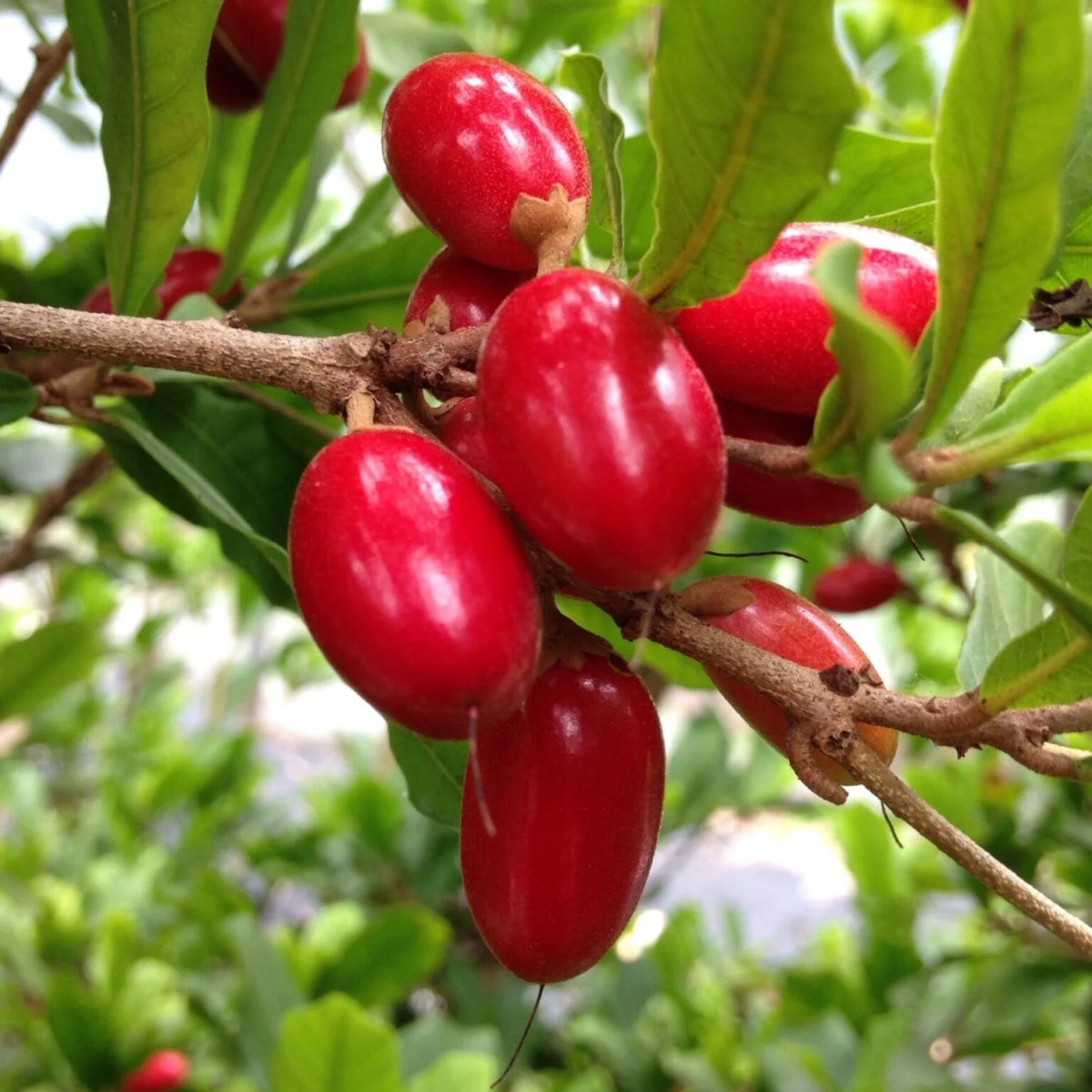
Synsepalum dulcificum, commonly known as Miracle Fruit, is renowned for its active glycoprotein, miraculin, which temporarily alters taste perception. This unique property places it at the intersection of traditional West African uses for flavor enhancement and modern research into its potential applications for diabetics and chemotherapy patients. Miraculin binds to taste receptors, particularly T1R2-T1R3, modulating their response to acids and creating a sweet taste from sour foods. Its use is primarily limited by the stability of miraculin outside fresh fruit form.
What it helps with
Taste modification
Miraculin binds to the T1R2-T1R3 sweet taste receptors on the tongue, acting as a taste modifier. In acidic environments, it induces a conformational change that activates the sweet receptors, making sour foods taste sweet. This effect is well-documented in human trials and is primarily used for flavor enhancement.
Chemotherapy-induced taste changes
Patients undergoing chemotherapy often experience dysgeusia, a distortion of taste. Miraculin's ability to modify taste perception by binding to sweet taste receptors offers a potential therapeutic avenue to improve food palatability. Preliminary human studies suggest it may help restore the enjoyment of eating for these patients.
Diabetes & sugar reduction
Miraculin provides a non-caloric sweetening effect without affecting blood glucose levels, making it a potential tool for diabetics. By binding to T1R2-T1R3 receptors, it allows for the enjoyment of sweet flavors without sugar intake. This application is supported by traditional use and emerging clinical interest.
Weight management
By altering taste perception, miraculin may help reduce sugar cravings and caloric intake. It acts on the T1R2-T1R3 receptors to enhance the sweetness of low-calorie foods, potentially aiding in weight management strategies. Evidence is primarily anecdotal and exploratory.
Gastroesophageal reflux disease (GERD)
Miraculin may help patients with GERD by making acidic foods more palatable, potentially reducing the discomfort associated with acid reflux. This is achieved through its binding to sweet taste receptors, although clinical evidence is still in early stages.
Sour food aversion
For individuals with an aversion to sour tastes, miraculin can transform the experience by converting sour to sweet. This is particularly beneficial in enhancing the acceptance of sour fruits and vegetables, leveraging its receptor-binding mechanism.
Nutritional interventions
In nutritional settings, miraculin can be used to enhance the palatability of nutrient-dense but sour foods, thereby improving dietary compliance. This application is based on its ability to modulate taste perception via T1R2-T1R3 receptors, with potential implications in dietary programs.
Key active compounds
Miraculin
A glycoprotein that acts as a taste modifier. It binds to T1R2-T1R3 sweet taste receptors, altering their response to acids. Its effect is pH-dependent, activating sweet perception in acidic conditions.
Flavonoids
Present in the fruit, these compounds contribute to its antioxidant properties. They may support overall health by scavenging free radicals, although they do not directly influence taste modification.
Ascorbic acid
Vitamin C found in the fruit, contributing to its nutritional value. It supports immune function and acts as an antioxidant, but does not play a role in taste alteration.
Polyphenols
These compounds provide additional antioxidant benefits and may contribute to the overall health effects of the fruit. They do not impact the taste-modifying properties.
Carotenoids
Contributing to the fruit's color and nutritional profile, carotenoids are antioxidants that support eye health and immune function. They do not affect taste perception.
Tannins
Present in small amounts, tannins have astringent properties and may contribute to the fruit's overall antioxidant capacity. They do not influence the taste-modifying effects.
What the research says
Research on Synsepalum dulcificum focuses heavily on its taste-modifying properties, with miraculin being the primary compound of interest. Human trials have confirmed its ability to alter taste perception, particularly in acidic environments, with applications in improving the palatability of foods for chemotherapy patients and diabetics. Preclinical studies explore its broader health benefits, such as antioxidant effects from flavonoids and polyphenols, though these are secondary to its taste-modifying role. The main limitation is the stability of miraculin, which is sensitive to temperature and pH changes outside the fresh fruit form. Efforts to stabilize miraculin for broader use include encapsulation and genetic expression in other organisms.
Typical dosage
For fresh fruit, consume one berry before meals to experience the taste-altering effects. For tablets or powders, follow the manufacturer's instructions, typically one tablet or a small scoop of powder before consuming sour foods. Capsules are generally taken once daily, but dosage may vary based on concentration and intended use. Always adhere to product guidelines and consult a healthcare provider if unsure.
About Miracle Fruit
Traditional Use
Preparations & Dosage
Preparations
- Fresh Fruit: Consume one fresh Miracle Berry by placing it in the mouth and allowing it to dissolve on the tongue, ensuring contact with all taste buds. Follow with sour foods to experience the sweetening effect.
- Tablet: Place one Miracle Fruit tablet on the tongue and allow it to dissolve completely before consuming sour foods to experience the sweetening effect.
- Powder: Sprinkle a small amount of Miracle Fruit powder on the tongue, ensuring it covers all taste buds, then consume sour foods to experience the sweetening effect.
Interactions & Warnings
Use with caution
Miracle Fruit is generally safe for consumption, but individuals with allergies to fruits should exercise caution. It is important to note that while it alters taste perception, it does not change the nutritional content of foods.
Community Plants
Real plants of this species grown and shared by the MyFloralVault community.

More in Digestive Health


Was this helpful?
0 · 0
Care Guide Available
Learn how to grow and care for Miracle Fruit at home