Cowberry
Vaccinium vitis-idaea

Medicinal Facts
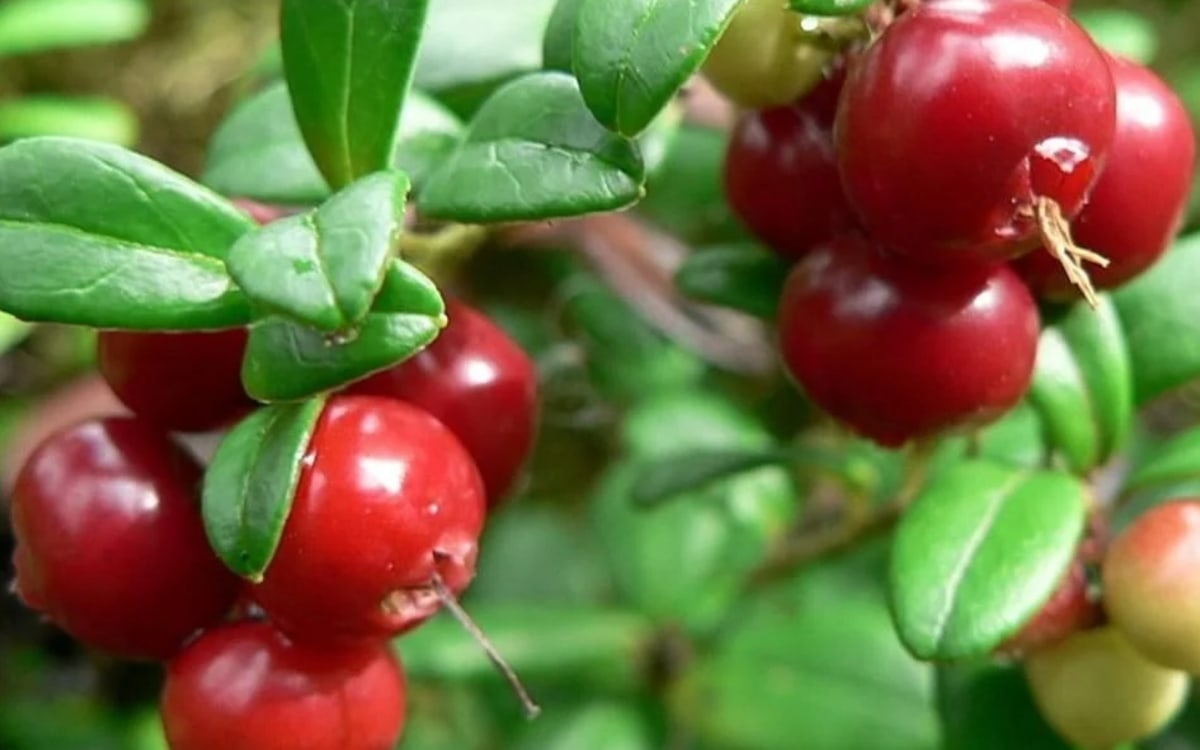
Cowberry fruit contains cyanidin glycosides, natural plant pigments, proanthocyanidins, natural plant compounds, and quercetin derivatives, compounds related to quercetin. Its leaves contain arbutin, another natural plant compound. Cowberry is part of northern food traditions and folk remedies for urinary problems. It is also studied for its polyphenols, a group of natural plant compounds. Evidence is strongest for its role as a nutritious food. Ideas about how it might work as a treatment are still largely experimental.
What it helps with
Post-meal blood sugar
In lab studies, cowberry proanthocyanidins and anthocyanins, natural plant pigments, can block enzymes that digest carbohydrates. These include alpha-glucosidase, an enzyme that helps break down carbohydrates. This might slow the release of glucose, a sugar, from starch. Small studies in people have looked at blood sugar responses after meals containing berries. But effects vary with the product and meal. It has not been established that the process seen in the lab is the cause of effects in people.
Gut microbiome
Some cowberry polyphenols reach the colon because only a limited amount is absorbed in the small intestine. In the colon, enzymes from microbes can change them into smaller compounds. Animal and lab studies suggest changes in the types of microbes present and in fermentation, the way microbes break down substances. But a benefit that can be repeated in studies in people has not been established.
Urinary tract support
Arbutin in cowberry leaves can be changed into breakdown products related to hydroquinone, a chemical. These products show activity against microbes in lab studies. Traditional urinary use does not establish a safe or effective way to use the leaves. Cowberry should not replace a medical evaluation and antibiotics when a urinary infection is suspected.
Inflammatory signaling
Cyanidin glycosides and other cowberry polyphenols have been studied for their effects on NF-kB, a system that helps control inflammation, and on substances involved in inflammation. These studies used cells and animals. It is uncertain whether ordinary servings of berries have the same effects in people or improve inflammatory disease.
Blood vessel function
Berry preparations containing anthocyanins have been studied in experimental models for their effects on endothelial nitric oxide synthase, or eNOS, an enzyme in blood vessel cells. They have also been studied for their effects on signaling by nitric oxide, a molecule involved in blood vessel function. Evidence from studies in people that is specific to cowberry is limited. So better circulation or heart and blood vessel outcomes cannot be assumed.
Microbial growth in food and laboratory models
Benzoic acid, a natural acid in cowberry, can slow the growth of microbes. It does this partly by making conditions more acidic and disrupting processes inside microbes. This helps the fruit keep longer. The evidence comes from food and lab settings. It does not prove that eating cowberry treats an infection.
Key active compounds
Cyanidin-3-galactoside
An important anthocyanin in the fruit. It has been studied in experimental systems for its effects on NF-kB and signals involved in oxidative stress, damage caused by unstable molecules. Little intact anthocyanin reaches the rest of the body, and much of it is broken down.
Cyanidin-3-glucoside
An anthocyanin in the fruit. Lab studies have looked at its effects on inflammation signals and eNOS pathways in blood vessel cells. Its amount varies with the berry and how it is processed.
Proanthocyanidins
These are made of chains of natural plant compounds called flavanols. They can block alpha-glucosidase in lab tests and interact with gut microbes. Larger chains are poorly absorbed intact.
Quercetin glycosides
These fruit compounds belong to a group of natural plant chemicals called flavonols. Their breakdown products have been studied for effects on NF-kB and processes involved in oxidative stress. Enzymes and microbes in the intestines break down these sugar-linked compounds before or after they are absorbed.
Benzoic acid
A natural organic acid that can slow microbial growth by making conditions more acidic. This is especially relevant to keeping food from spoiling. It does not establish an effect against microbes as a treatment in people.
Arbutin
A sugar-linked form of hydroquinone found especially in the leaves. It can produce breakdown products related to hydroquinone. But there is not enough evidence to establish whether medicinal use of cowberry leaves is safe or effective.
What the research says
For metabolic health, small studies in people have looked at blood sugar after meals containing berry products. Findings on how cowberry polyphenols block enzymes come mainly from lab studies. For gut health and inflammation, much of the evidence on anthocyanins and proanthocyanidins comes from cell or animal studies. For urinary and antimicrobial use, arbutin and benzoic acid show activity in experiments, but cowberry preparations have not been proven effective in people. Key limits include small studies in people and differences in products and doses. It is also uncertain whether the compounds reach the relevant tissues in amounts that can have an effect.
Typical dosage
There is no established therapeutic dose. As food, a practical serving is approximately 50 to 100 g of ripe fresh or thawed berries, once daily if desired and tolerated. Unsweetened juice may be taken as a small food serving of approximately 100 to 150 mL daily; dilute it if its acidity causes discomfort. Cooked berry sauce can be served in portions of approximately 2 to 4 tablespoons with a meal. For freeze-dried berry powder, follow the manufacturer's food-serving directions, commonly around 1 to 2 teaspoons mixed into food; products vary in concentration. These are food-serving examples, not clinically validated doses. Do not use leaves or concentrated extracts medicinally without professional advice.
About Cowberry
Preparations & Dosage
Preparations
- Fresh or thawed berries: Rinse approximately 50 to 100 g of ripe berries under clean running water. If frozen, thaw them in the refrigerator and serve with yogurt, porridge or another meal. Refrigerate leftovers.
- Unsweetened berry juice: Use a commercially prepared, pasteurized unsweetened cowberry juice. Pour approximately 100 to 150 mL and dilute with water if desired; check the label because blends may contain added sugar or other fruits. Refrigerate after opening according to the label.
- Cooked berry sauce: Place 100 g of rinsed berries in a small pan with approximately 2 tablespoons of water. Simmer gently for 5 to 10 minutes until softened, then cool and serve 2 to 4 tablespoons with food. Add a small amount of sweetener if needed.
- Freeze-dried berry powder: Choose a food-grade powder made from cowberry fruit. Mix the label's suggested serving, commonly 1 to 2 teaspoons, into yogurt, porridge or a smoothie; check whether the product contains added ingredients.
Interactions & Warnings
Use with caution
The ripe berries are generally eaten as food, but concentrated extracts and medicinal use of the leaves have not been adequately studied for safety. Avoid medicinal leaf preparations during pregnancy or breastfeeding and in children or people with liver or kidney disease; anyone taking diabetes medication or warfarin should discuss regular concentrated berry products with a clinician.
Herb Interactions
Bearberry leaves and cowberry leaves both contain arbutin. Combining medicinal leaf preparations could increase exposure to hydroquinone-related compounds without established additional benefit; avoid the combination.
Concentrated cinnamon and cowberry products are both being studied for effects on blood sugar. An additive effect is possible but unproven, so people using diabetes medicines should monitor glucose and discuss supplements with their clinician.
Community Plants
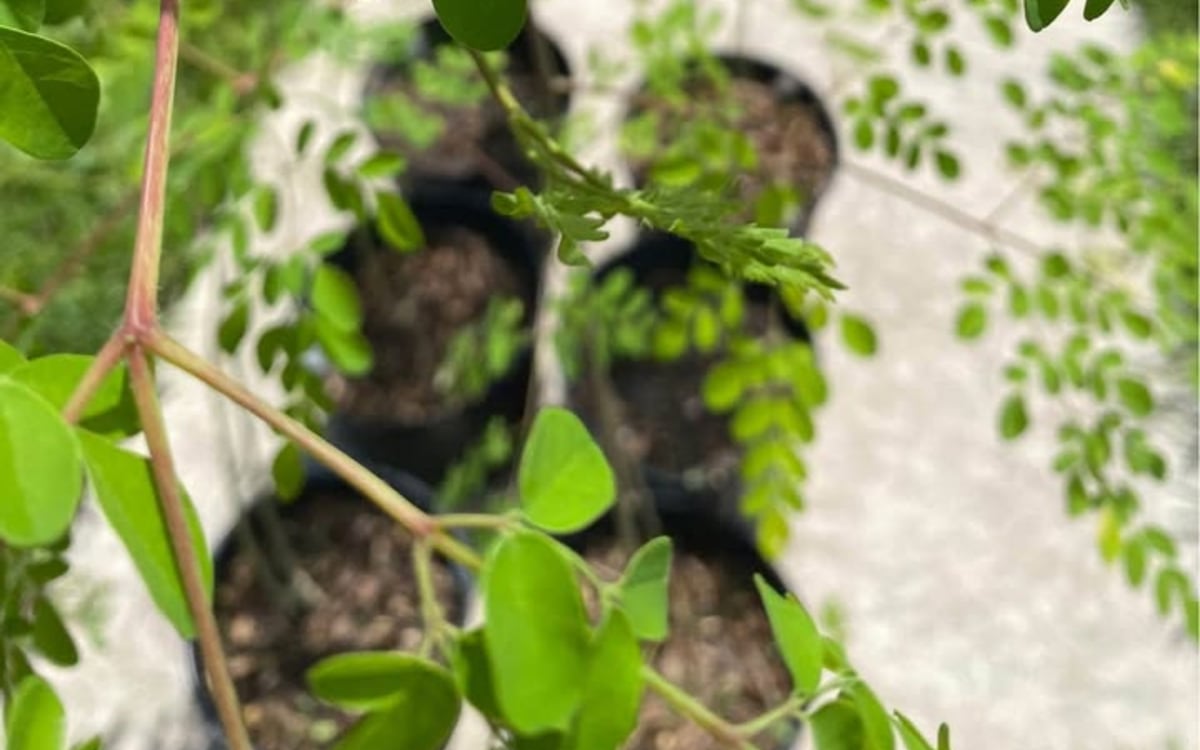
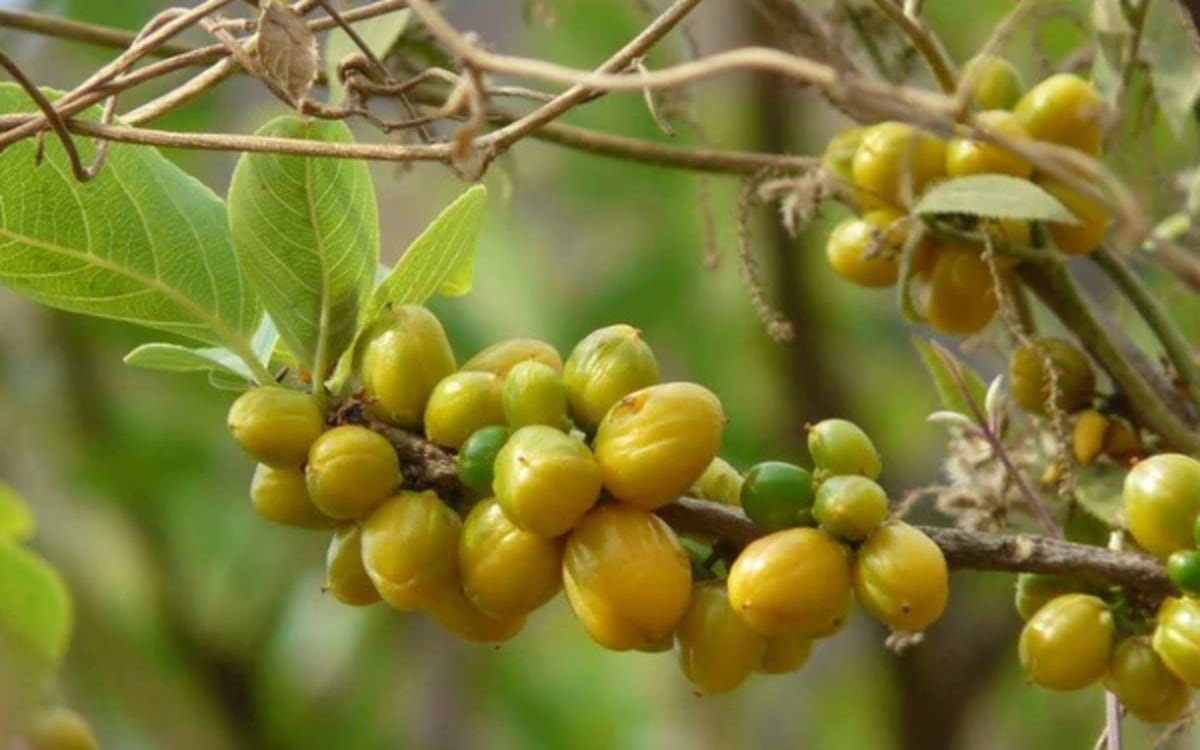
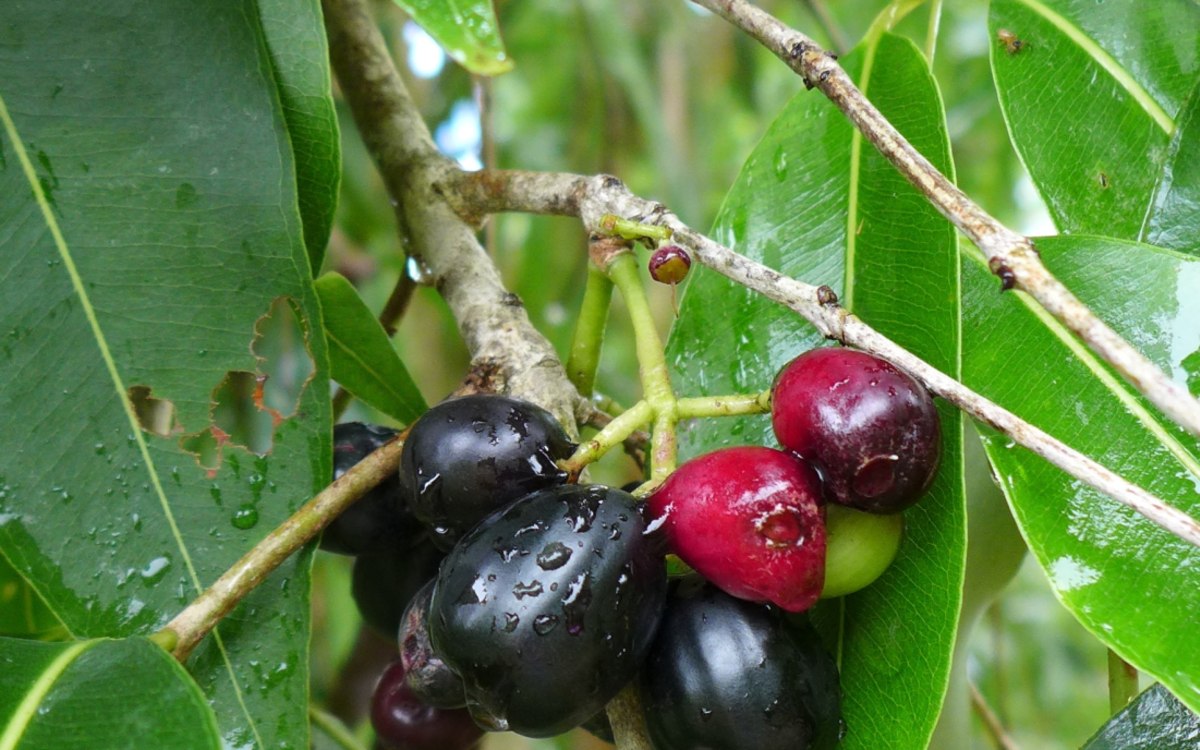
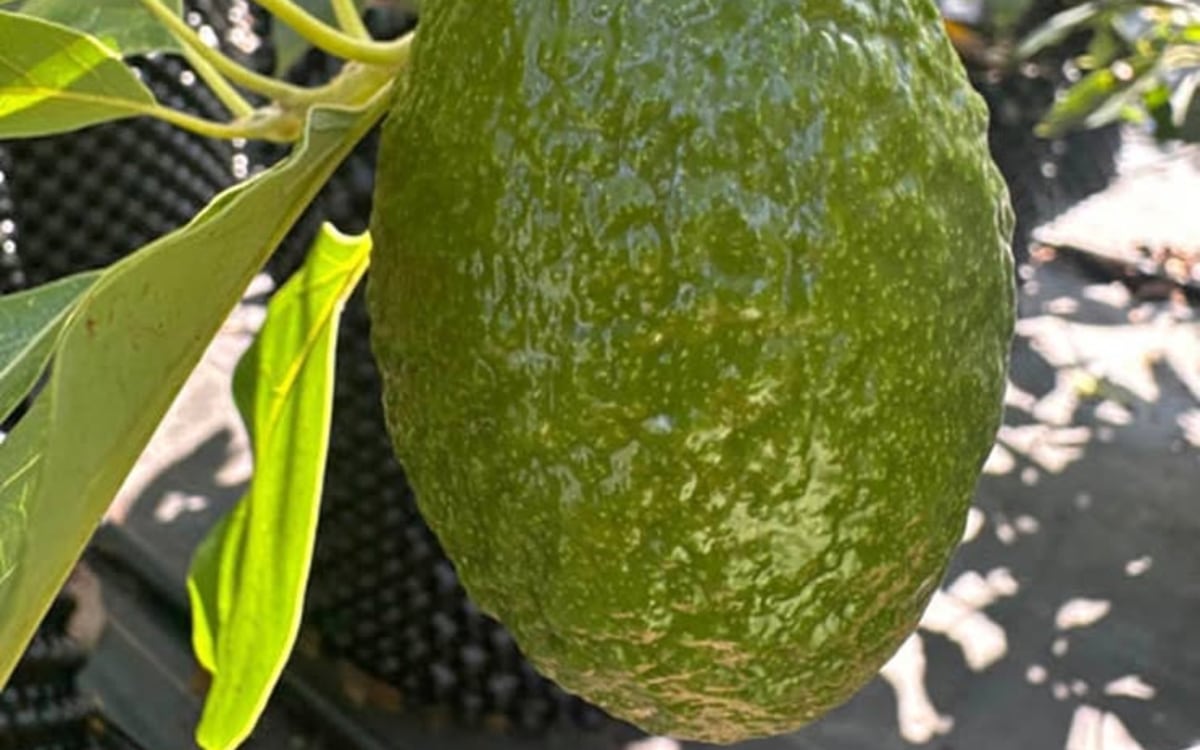
Real plants of this species grown and shared by the MyFloralVault community.
More in Metabolic Health

Was this helpful?
0 · 0
Care Guide Available
Learn how to grow and care for Cowberry at home