Salacia Oblonga
Salacia Oblonga

Medicinal Facts
Salacia oblonga is renowned for its unique bioactive compounds, including salacinol and kotalanol, which are pivotal in its antidiabetic and anti-inflammatory properties. It stands at the intersection of traditional Ayurvedic practices, where it has been used for centuries to manage diabetes and obesity, and contemporary pharmacological research focused on alpha-glucosidase and aldose reductase inhibition. Modern studies emphasize its role in glucose metabolism and insulin sensitivity, with a growing interest in its potential to modulate gut microbiota.
What it helps with
Type 2 Diabetes
Salacinol and kotalanol inhibit alpha-glucosidase, an enzyme that breaks down carbohydrates into glucose, thereby reducing postprandial blood sugar spikes. This mechanism is well-documented in both in vitro studies and human trials, showing significant reductions in blood glucose levels.
Obesity & Weight Management
By modulating the AMPK pathway, Salacia oblonga influences lipid metabolism and energy expenditure. Animal studies demonstrate its potential to reduce body weight and fat accumulation, suggesting a role in managing obesity.
Inflammation
The plant's polyphenolic compounds inhibit NF-kB, a transcription factor involved in inflammatory responses. This action helps reduce the production of pro-inflammatory cytokines like TNF-a and IL-6, as evidenced in preclinical models.
Insulin Sensitivity
Salacia oblonga enhances insulin signaling through the upregulation of the GLUT4 transporter, facilitating glucose uptake in muscle tissues. This effect has been observed in both animal studies and preliminary human trials.
Gut Health
Research suggests that Salacia oblonga may influence gut microbiota composition, promoting beneficial bacteria and improving gut barrier function. This is linked to its polyphenolic content and has been observed in animal studies.
Cardiovascular Health
The plant's ability to inhibit aldose reductase may prevent complications associated with diabetes, such as cardiovascular damage. This enzyme inhibition reduces the formation of sorbitol, a sugar alcohol that can accumulate and cause tissue damage.
Oxidative Stress
Compounds like mangiferin in Salacia oblonga exhibit strong antioxidant properties, scavenging free radicals and reducing oxidative stress. This has been demonstrated in vitro and is considered beneficial for overall cellular health.
Key active compounds
Salacinol
A potent alpha-glucosidase inhibitor, it prevents carbohydrate breakdown into glucose, thus managing postprandial blood sugar levels. It is a key compound in antidiabetic formulations.
Kotalanol
Similar to salacinol, it inhibits alpha-glucosidase and has been shown to have a synergistic effect when combined with other compounds in Salacia oblonga.
Mangiferin
A xanthonoid with antioxidant properties, it modulates oxidative stress and has potential neuroprotective effects. It also contributes to the plant's anti-inflammatory activity.
Catechin
A flavonoid that contributes to the antioxidant and anti-inflammatory properties of Salacia oblonga. It enhances the plant's overall therapeutic profile by modulating various signaling pathways.
Epicatechin
Another flavonoid with significant antioxidant capacity, it supports cardiovascular health by improving endothelial function and reducing oxidative stress.
Proanthocyanidins
These polyphenols have strong free radical scavenging abilities and contribute to the plant's anti-inflammatory and cardioprotective effects.
Tannins
These compounds contribute to the astringent properties and have been shown to support gut health by modulating microbiota and improving intestinal barrier function.
What the research says
Research on Salacia oblonga is heavily focused on its antidiabetic properties, particularly the inhibition of alpha-glucosidase by salacinol and kotalanol, with several human trials confirming its efficacy in reducing postprandial glucose levels. Its impact on obesity is supported by animal studies showing modulation of the AMPK pathway and reduction in body fat. The anti-inflammatory and antioxidant effects are primarily backed by preclinical studies, with compounds like mangiferin and catechins being central to these findings. The main limitation of Salacia oblonga research is the translation of promising preclinical results to consistent clinical outcomes, often hindered by bioavailability issues. Formulation strategies such as encapsulation and combination with other bioenhancers are being explored to improve its therapeutic efficacy.
Typical dosage
For capsules, a common dosage is 500 mg taken twice daily before meals. As a powder, 1-2 grams can be mixed with water or juice and consumed before meals. For a tea or infusion, steep 1-2 teaspoons of dried Salacia oblonga in hot water for 10-15 minutes, and drink up to twice daily. Tinctures are typically used at a dose of 1-2 ml, taken in water or juice before meals. Dosages should be adjusted based on individual response and under the guidance of a healthcare provider.
About Salacia Oblonga
Traditional Use
Preparations & Dosage
Preparations
- Tea / Infusion: Boil water and add 1-2 teaspoons of dried Salacia oblonga. Let it steep for 10-15 minutes. Strain and serve warm. Add honey or lemon for taste if desired.
- Capsule: Take 500 mg capsules twice daily with water, preferably before meals. Follow the dosage instructions on the product label or as advised by a healthcare provider.
- Powder: Mix 1-2 grams of Salacia oblonga powder in water or juice. Stir well and consume before meals.
- Tincture: Use 1-2 ml of Salacia oblonga tincture in a small amount of water or juice. Take before meals.
Interactions & Warnings
Use with caution
Salacia oblonga should be used with caution in individuals with hypoglycemia or those taking diabetes medications, as it may enhance their effects. Pregnant or breastfeeding women should avoid its use due to insufficient safety data.
Herb Interactions
Both herbs may lower blood sugar levels, potentially leading to hypoglycemia if used together.
May enhance the blood sugar-lowering effects, requiring monitoring of glucose levels.
Community Plants
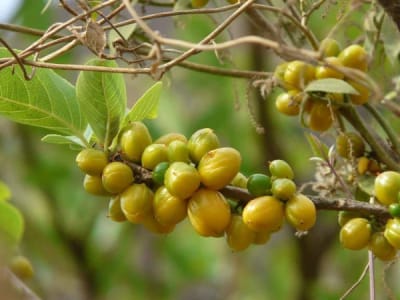
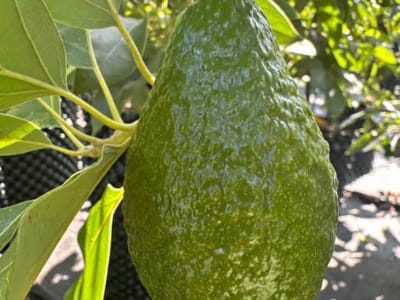
Real plants of this species grown and shared by the MyFloralVault community.
More in Metabolic Health



Was this helpful?
0 · 0
Care guides for related plants
Care Guide Available
Learn how to grow and care for Salacia Oblonga at home