Avocado
Persea Americana

Medicinal Facts
Persea americana, commonly known as avocado, is rich in bioactive compounds such as persin, carotenoids, and phytosterols. It stands at the intersection of traditional Central and South American uses for skin and hair health and modern nutritional science exploring its effects on cardiovascular and metabolic health. The fruit's unique lipid profile, high in monounsaturated fats, is a focal point for research into its anti-inflammatory and heart-protective benefits. Avocado's skin and seed extracts are also being investigated for their potential in cancer adjunctive therapy due to their cytotoxic properties.
What it helps with
Cardiovascular health
Avocado's high content of monounsaturated fatty acids (MUFAs), particularly oleic acid, supports cardiovascular health by modulating lipid profiles and reducing LDL cholesterol. Phytosterols, such as beta-sitosterol, further contribute by inhibiting intestinal cholesterol absorption. Human trials have shown that regular avocado consumption can improve lipid profiles, supporting its use in heart health protocols.
Metabolic syndrome
Avocado's MUFAs and fiber content improve insulin sensitivity and glycemic control. The fruit's bioactive compounds, such as carotenoids and tocopherols, activate peroxisome proliferator-activated receptor alpha (PPAR-alpha), enhancing fatty acid oxidation and reducing hepatic lipogenesis. Clinical studies suggest avocado intake may lower fasting glucose and improve metabolic parameters in individuals with metabolic syndrome.
Anti-inflammatory effects
Avocado's phytosterols and polyhydroxylated fatty alcohols (PFAs) inhibit pro-inflammatory cytokines like TNF-alpha and IL-1 beta by modulating the NF-kB signaling pathway. This anti-inflammatory action is supported by both in vitro and animal studies, suggesting potential benefits in conditions characterized by chronic inflammation.
Skin health
Avocado oil is rich in vitamin E and carotenoids, which protect skin from oxidative stress by scavenging free radicals. The oil also enhances collagen synthesis and wound healing through the activation of transforming growth factor-beta (TGF-beta). Traditionally used in topical applications, avocado oil is supported by in vitro studies for its moisturizing and anti-aging properties.
Weight management
The high fiber and healthy fat content of avocados promote satiety and reduce overall calorie intake. Avocado-derived compounds like oleic acid stimulate the release of satiety hormones such as cholecystokinin (CCK), which may aid in weight management. Human studies have shown that incorporating avocados into meals can lead to increased satiety and reduced desire to eat.
Cancer adjunctive research
Avocado seed extracts contain persin, which exhibits selective cytotoxicity against certain cancer cell lines by inducing apoptosis through mitochondrial pathways. While evidence is primarily preclinical, these findings open avenues for adjunctive cancer therapies. The fruit's carotenoids and tocopherols also contribute to its chemopreventive potential by modulating oxidative stress and inflammation.
Eye health
Avocado is a rich source of lutein and zeaxanthin, carotenoids that accumulate in the retina and protect against age-related macular degeneration (AMD). These compounds act as antioxidants and filter harmful blue light. Human studies suggest that regular consumption of lutein-rich foods like avocado can improve macular pigment density and visual function.
Key active compounds
Persin
A natural fungicidal toxin found in avocado leaves and seeds. Exhibits selective cytotoxicity against certain cancer cells by inducing apoptosis through mitochondrial pathways. Its role in human health is primarily investigational.
Oleic acid
A monounsaturated fatty acid that modulates lipid profiles by reducing LDL cholesterol and increasing HDL cholesterol. It is absorbed efficiently and contributes to the anti-inflammatory effects of avocado.
Beta-sitosterol
A phytosterol that competes with cholesterol for absorption in the intestines, thereby reducing blood cholesterol levels. It also exhibits anti-inflammatory properties by modulating cytokine production.
Lutein
A carotenoid that accumulates in the retina, providing antioxidant protection and filtering blue light. It is synergistic with zeaxanthin in supporting eye health and is well-absorbed when consumed with dietary fats.
Polyhydroxylated fatty alcohols (PFAs)
Compounds that exhibit anti-inflammatory effects by inhibiting NF-kB signaling. They are unique to avocado and contribute to its overall health benefits.
Tocopherols
Forms of vitamin E that provide antioxidant protection by scavenging free radicals. They are involved in skin health and may contribute to the chemopreventive effects of avocado.
Carotenoids
Pigments such as lutein and zeaxanthin that provide antioxidant protection and support eye health. Their bioavailability is enhanced when consumed with the natural fats in avocado.
What the research says
Research on avocado focuses on its cardiovascular and metabolic benefits, with human trials highlighting the lipid-modulating effects of its monounsaturated fats and phytosterols. These studies show significant improvements in cholesterol profiles and insulin sensitivity, supporting avocado's role in heart health and metabolic syndrome management. In cancer research, preclinical studies on persin and other bioactive compounds suggest potential for adjunctive therapy, but human evidence is lacking. The primary limitation in avocado research is the variability in bioactive compound concentration across different parts of the fruit and its derivatives. Standardization of extracts and further human trials are needed to fully elucidate its therapeutic potential.
Typical dosage
For raw consumption, it is generally safe to consume half to one whole avocado per day as part of a balanced diet. Avocado oil can be used for cooking or as a salad dressing, with typical usage ranging from one to two tablespoons per day. For topical applications, avocado oil can be applied directly to the skin as needed, particularly for moisturizing purposes.
About Avocado
Traditional Use
Preparations & Dosage
Preparations
- Raw consumption: Cut the avocado in half, remove the pit, and scoop out the flesh. It can be eaten plain, added to salads, or spread on toast.
- Oil extraction: Cold-press ripe avocados to extract the oil. Use the oil for cooking or as a dressing.
- Smoothie ingredient: Blend half an avocado with fruits, vegetables, and a liquid base of choice for a nutrient-rich smoothie.
- Topical application: Mash avocado flesh and apply directly to the skin or mix with other ingredients for a face mask.
Interactions & Warnings
Use with caution
Avocado is generally safe for most people when consumed in typical food amounts. However, individuals with latex allergies may experience allergic reactions. Excessive consumption of avocado leaves, bark, or seeds is not recommended due to potential toxicity.
Herb Interactions
Avocado may reduce the effectiveness of warfarin, a blood thinner, potentially requiring dosage adjustments.
Community Plants
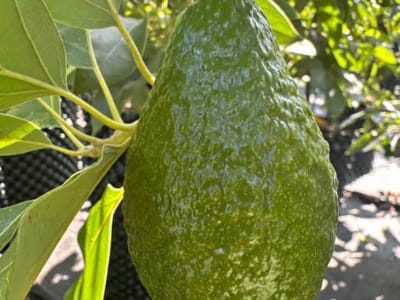
Real plants of this species grown and shared by the MyFloralVault community.
More in Metabolic Health




Was this helpful?
0 · 0
Care Guide Available
Learn how to grow and care for Avocado at home