Bitter Melon
Momordica Charantia
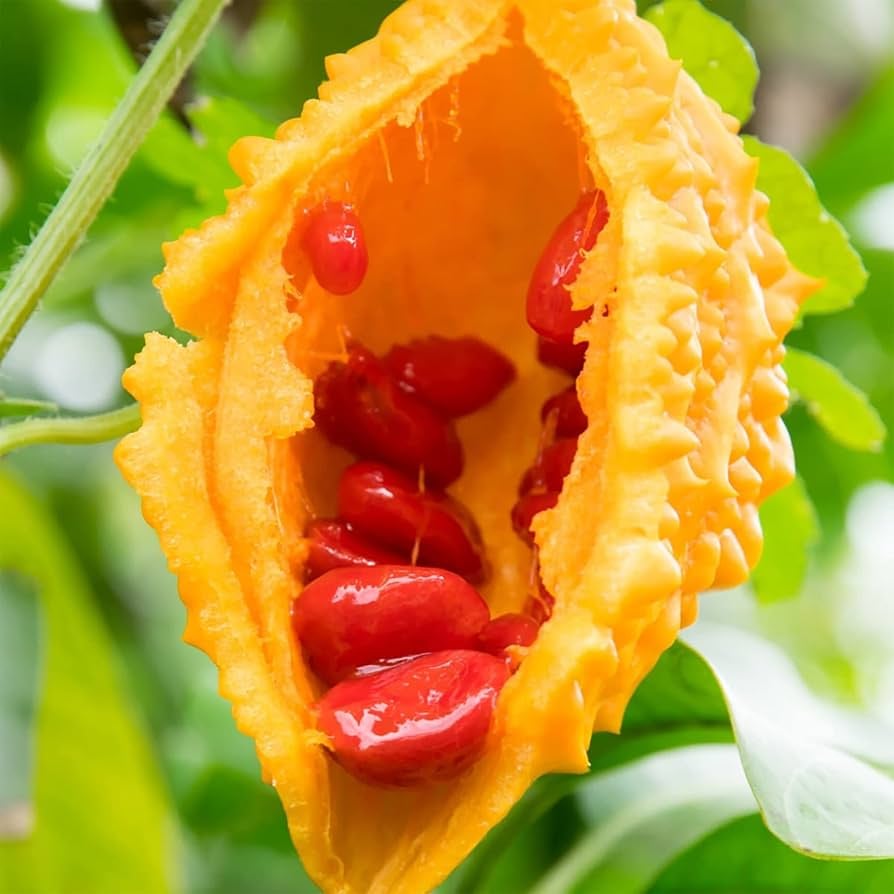
Medicinal Facts
Bitter Melon's medicinal properties are primarily attributed to its bioactive compounds, including charantin, vicine, and polypeptide-p, which together form a triad of hypoglycemic agents. This plant stands at the intersection of traditional Ayurvedic and Chinese medicine, where it has been used for diabetes management and digestive health, and contemporary research exploring its insulin-mimetic and glucose-lowering effects. Modern studies focus on its ability to modulate glucose metabolism through AMPK activation and GLUT4 translocation, while traditional uses emphasize its role in enhancing digestion and liver function.
What it helps with
Type 2 Diabetes
Charantin and polypeptide-p mimic insulin activity, enhancing glucose uptake by activating AMP-activated protein kinase (AMPK) and promoting GLUT4 translocation to the cell membrane. Human trials show modest reductions in fasting blood glucose and HbA1c levels, though results vary widely due to differences in preparation and dosage.
Digestive Health
Bitter Melon stimulates the secretion of digestive enzymes and bile acids, enhancing nutrient absorption and digestion. It also modulates gut microbiota composition, which is linked to its high fiber content and bioactive compounds. Traditional use is supported by animal studies showing improved gastrointestinal motility and reduced symptoms of dyspepsia.
Liver Function & Detoxification
The plant's antioxidant compounds, such as momordicin, activate the Nrf2 pathway, promoting the expression of detoxifying enzymes like glutathione S-transferase. Animal studies demonstrate hepatoprotective effects, with reduced markers of liver damage and improved liver enzyme profiles.
Obesity & Metabolic Syndrome
Bitter Melon compounds activate AMPK, enhancing lipolysis and reducing lipogenesis, which can support weight management and metabolic health. Preclinical studies show reduced visceral fat and improved lipid profiles, though human data are limited.
Immune Function
Vicine and other phenolic compounds modulate immune responses by inhibiting NF-kB and reducing pro-inflammatory cytokines like IL-6 and TNF-alpha. This immunomodulatory effect is observed in vitro and in animal models, supporting traditional uses for immune enhancement.
Cancer Research
Momordica Charantia extracts induce apoptosis and inhibit proliferation in various cancer cell lines through modulation of the JAK-STAT and MAPK pathways. While promising in vitro, clinical evidence is preliminary, and its role is best considered supportive.
Antimicrobial Activity
Bitter Melon exhibits broad-spectrum antimicrobial effects, attributed to its saponins and alkaloids, which disrupt microbial cell membranes. Studies confirm activity against bacteria such as E. coli and Staphylococcus aureus, although clinical applications are not well established.
Key active compounds
Charantin
A steroidal saponin complex with potent hypoglycemic activity. It enhances insulin sensitivity and promotes glucose uptake through AMPK activation.
Polypeptide-p
An insulin-mimetic peptide that lowers blood glucose by stimulating peripheral glucose uptake and inhibiting hepatic gluconeogenesis.
Vicine
An alkaloid with immunomodulatory properties, it inhibits NF-kB signaling and reduces inflammatory cytokine production.
Momordicin
A triterpenoid with antioxidant properties, it activates Nrf2 pathways and enhances the expression of detoxifying enzymes.
Saponins
Bioactive compounds with antimicrobial and cholesterol-lowering effects. They disrupt microbial cell membranes and modulate lipid metabolism.
Phenolic compounds
These compounds provide antioxidant and anti-inflammatory effects by scavenging free radicals and modulating signaling pathways such as NF-kB.
Alkaloids
Exhibit antimicrobial properties by disrupting microbial cell walls and membranes, contributing to the plant's traditional use in infection management.
What the research says
Research on Bitter Melon is robust in the context of glucose metabolism and diabetes management, with human studies focusing on its insulin-mimetic effects and metabolic benefits. Charantin and polypeptide-p have the strongest human evidence, primarily from trials assessing blood glucose and lipid levels. Preclinical studies explore its broader metabolic and immune-modulating effects, with a focus on AMPK activation and inflammatory pathway inhibition. The main limitation is bioavailability, as the active compounds are poorly absorbed; thus, formulations often include bioenhancers or are taken as whole plant extracts to maximize efficacy.
Typical dosage
For juice, consume 50-100 ml per day, preferably on an empty stomach. Capsules are typically taken in doses of 500-1000 mg per day, divided into two doses. For tea, use 1-2 teaspoons of dried bitter melon per cup of boiling water, steep for 5-10 minutes, and consume 1-2 cups daily. Tinctures can be taken in doses of 1-2 ml, up to three times a day. Always start with the lower end of the dosage range to assess tolerance.
About Bitter Melon
Traditional Use
Preparations & Dosage
Preparations
- Juice: Wash and peel the bitter melon, remove seeds, and cut into small pieces. Blend with a small amount of water until smooth. Strain the juice through a fine sieve or cheesecloth. Consume fresh, preferably on an empty stomach.
- Tea / Infusion: Add 1-2 teaspoons of dried bitter melon to a cup of boiling water. Cover and steep for 5-10 minutes. Strain and drink warm. Sweeten with honey if desired.
- Capsule: Take 500-1000 mg of bitter melon extract in capsule form daily, divided into two doses. Follow the manufacturer's instructions for best results.
- Tincture: Use 1-2 ml of bitter melon tincture up to three times a day. Mix with a small amount of water or juice if desired.
Interactions & Warnings
Use with caution
Bitter melon should be used with caution by individuals with hypoglycemia or those taking blood sugar-lowering medications, as it can enhance their effects. Pregnant women should avoid it due to potential uterine contractions. Overconsumption may lead to gastrointestinal discomfort.
Herb Interactions
Both herbs may lower blood sugar levels, potentially leading to hypoglycemia if used together.
Combined use may enhance blood sugar-lowering effects, requiring careful monitoring of blood glucose levels.
Community Plants
Real plants of this species grown and shared by the MyFloralVault community.

More in Metabolic Health




Was this helpful?
0 · 0
Care Guide Available
Learn how to grow and care for Bitter Melon at home