Java Plum
Syzygium Cumini

Medicinal Facts
Syzygium cumini, commonly known as Java Plum or Jambolan, is rich in anthocyanins, ellagic acid, and jambosine, placing it at the intersection of traditional Ayurvedic medicine and modern diabetes research. Traditionally used for its antidiabetic properties, the seeds and fruit are now studied for their ability to modulate glucose metabolism and oxidative stress. This plant's diverse phytochemical profile supports its use in managing hyperglycemia, inflammation, and microbial infections, with a growing body of evidence exploring its potential in metabolic syndrome management.
What it helps with
Diabetes management
Jambosine and ellagic acid in Syzygium cumini seeds inhibit alpha-glucosidase and alpha-amylase enzymes, reducing postprandial glucose spikes. Additionally, jambosine may enhance insulin sensitivity by modulating the PI3K/Akt signaling pathway. Human trials have shown a reduction in fasting blood glucose levels, supporting its traditional use in diabetes.
Oxidative stress & antioxidant support
Anthocyanins and ellagic acid act as potent antioxidants by scavenging free radicals and upregulating Nrf2, which enhances the expression of antioxidant enzymes like superoxide dismutase and catalase. This mechanism is supported by in vitro and animal studies, highlighting its potential in oxidative stress-related conditions.
Inflammation & immune modulation
Ellagic acid inhibits NF-kB and COX-2 pathways, reducing pro-inflammatory cytokines such as TNF-a and IL-6. Animal studies suggest its role in modulating immune responses, which may be beneficial in chronic inflammatory diseases.
Cardiovascular health
Anthocyanins improve endothelial function by enhancing nitric oxide (NO) bioavailability and reducing oxidative stress. In animal models, Syzygium cumini extracts have been shown to lower LDL cholesterol and triglycerides, suggesting a cardioprotective effect.
Microbial infections
The essential oils and tannins in Syzygium cumini exhibit antimicrobial activity against a range of pathogens by disrupting microbial cell walls and inhibiting bacterial enzymes. Traditional uses include treating dysentery and diarrhea, with in vitro studies supporting these effects.
Gastrointestinal health
Tannins and ellagic acid provide gastroprotective effects by enhancing mucosal defense and inhibiting gastric acid secretion. Animal studies indicate potential benefits in ulcer prevention and healing.
Cancer-adjunct research
Ellagic acid and anthocyanins induce apoptosis and inhibit angiogenesis in cancer cell lines through modulation of the p53 and VEGF pathways. While promising, these effects are primarily observed in vitro, with limited clinical translation to date.
Key active compounds
Anthocyanins
These flavonoids are responsible for the fruit's deep color and possess strong antioxidant properties. They scavenge free radicals and modulate NO levels, contributing to cardiovascular and metabolic health.
Ellagic acid
A polyphenol with anti-inflammatory and antioxidant activities. It inhibits NF-kB and COX-2, reducing inflammation, and also modulates apoptosis in cancer cells.
Jambosine
An alkaloid unique to Syzygium cumini, jambosine enhances insulin sensitivity and inhibits carbohydrate-digesting enzymes, making it a key compound in diabetes management.
Tannins
Polyphenolic compounds with astringent properties that contribute to antimicrobial and gastroprotective effects by binding to proteins and precipitating microbial enzymes.
Essential oils
These volatile compounds exhibit antimicrobial activity by disrupting microbial cell membranes and inhibiting pathogen growth.
Kaempferol
A flavonoid that contributes to the plant's anti-inflammatory and antioxidant profile by modulating pathways such as Nrf2 and reducing oxidative stress.
Quercetin
A flavonoid known for its antioxidant and anti-inflammatory effects. It stabilizes mast cells and inhibits histamine release, contributing to immune modulation.
What the research says
Research on Syzygium cumini is robust, with a focus on its antidiabetic properties. Human trials have shown that jambosine and ellagic acid can reduce fasting glucose levels and improve insulin sensitivity, aligning with traditional uses. The antioxidant and anti-inflammatory effects, primarily driven by anthocyanins and ellagic acid, are well-supported by animal studies, highlighting their potential in managing oxidative stress and chronic inflammation. However, the main limitation is the bioavailability of these compounds, particularly ellagic acid. Strategies such as nanoformulations and co-administration with piperine are being explored to enhance absorption and efficacy.
Typical dosage
For tea or infusion, use 1-2 teaspoons of dried seed powder per cup of boiling water, steep for 10-15 minutes, and consume up to twice daily. For tinctures, a typical dosage is 1-2 ml taken 2-3 times daily. Capsules or powders can be taken at doses of 500 mg to 1 gram, 1-2 times daily. For fresh juice, consume 50-100 ml daily. Always start with a lower dose to assess tolerance.
About Java Plum
Traditional Use
Preparations & Dosage
Preparations
- Tea / Infusion: Boil 1-2 teaspoons of dried seed powder in a cup of water. Let it steep for 10-15 minutes. Strain and consume warm. Add honey or lemon for taste if desired.
- Tincture: Use a 1:5 ratio of dried seeds to alcohol (such as vodka). Let it steep for 4-6 weeks in a cool, dark place, shaking occasionally. Strain and store in a dark bottle.
- Powder: Grind dried seeds into a fine powder using a spice grinder. Store in an airtight container away from light and moisture.
- Capsule: Fill empty capsules with dried seed powder using a capsule machine. Store in a cool, dry place.
- Juice: Blend fresh Java Plum fruits with a little water. Strain to remove pulp and seeds. Consume immediately or store in the refrigerator for up to 48 hours.
Interactions & Warnings
Use with caution
Syzygium cumini may lower blood sugar levels, so individuals with diabetes or those taking blood sugar-lowering medications should monitor their levels closely. Pregnant and breastfeeding women should consult a healthcare provider before use. Allergic reactions are rare but possible.
Herb Interactions
Both herbs may lower blood sugar levels, potentially leading to hypoglycemia if used together.
Community Plants
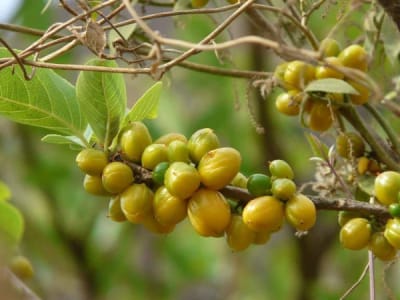
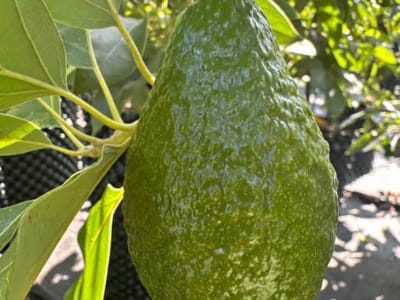
Real plants of this species grown and shared by the MyFloralVault community.

More in Metabolic Health





Was this helpful?
0 · 0
Care Guide Available
Learn how to grow and care for Java Plum at home