Flax
Linum Usitatissimum
Medicinal Facts
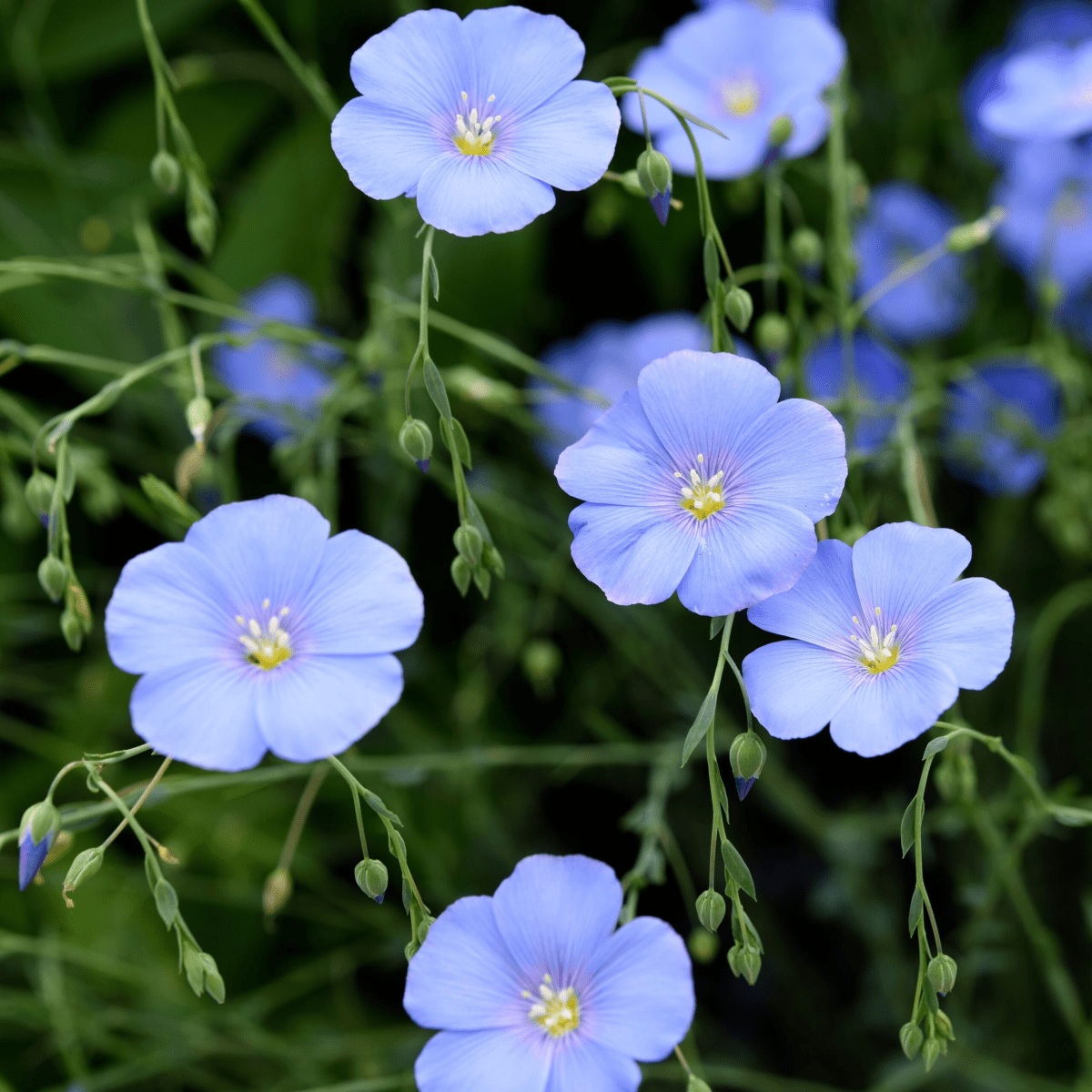
Flax, or Linum usitatissimum, is primarily known for its rich content of alpha-linolenic acid (ALA), a plant-based omega-3 fatty acid, and lignans, particularly secoisolariciresinol diglucoside (SDG). It sits at the intersection of traditional dietary uses for cardiovascular health and modern research into its anti-inflammatory and hormone-modulating properties. Flaxseed is also a major source of dietary fiber, contributing to its role in digestive health and metabolic regulation. Its versatility in both whole and extracted forms makes it a staple in both nutritional and therapeutic contexts.
What it helps with
Cardiovascular health
ALA from flaxseed is converted in the body to eicosapentaenoic acid (EPA), which modulates inflammatory pathways by inhibiting the synthesis of pro-inflammatory eicosanoids via the COX and LOX pathways. Human trials suggest flaxseed consumption can reduce blood pressure and improve lipid profiles, lowering LDL cholesterol levels.
Hormonal balance & menopause
Lignans, such as SDG, are phytoestrogens that can bind to estrogen receptors, modulating estrogenic activity. This may alleviate menopausal symptoms by balancing estrogen levels, as evidenced by small clinical studies showing reduced hot flashes and improved mood.
Digestive health
The soluble fiber in flaxseed forms a gel-like substance in the gut, which slows digestion and promotes regular bowel movements. This fiber also acts as a prebiotic, enhancing the growth of beneficial gut microbiota, which is supported by human and animal studies.
Metabolic syndrome
Flaxseed intake has been associated with improved insulin sensitivity and reduced blood glucose levels, potentially through the modulation of AMPK pathways. Studies in humans have shown modest improvements in glycemic control and weight management.
Cancer prevention
Lignans like SDG are metabolized into enterolignans, which have been shown to inhibit aromatase, an enzyme involved in estrogen synthesis. This action may reduce the risk of hormone-dependent cancers, such as breast cancer, as suggested by epidemiological studies and animal models.
Inflammation
ALA and its metabolites can downregulate NF-kB, a key transcription factor in inflammatory processes. This mechanism underlies flaxseed's potential in reducing markers of systemic inflammation, as observed in several human trials.
Skin health
The anti-inflammatory and moisturizing properties of ALA can improve skin barrier function and hydration. Flaxseed oil has been used topically and orally in small studies to reduce skin sensitivity and improve conditions like eczema.
Key active compounds
Alpha-linolenic acid (ALA)
An omega-3 fatty acid that serves as a precursor to EPA and DHA, modulating inflammatory eicosanoid pathways. It is essential for cardiovascular and neurological health, though conversion efficiency in humans is limited.
Secoisolariciresinol diglucoside (SDG)
A lignan that is converted into enterolignans in the gut, exerting phytoestrogenic effects by binding to estrogen receptors. It also possesses antioxidant properties.
Fiber
Both soluble and insoluble fiber types are present, contributing to digestive health by promoting regularity and acting as a prebiotic. Soluble fiber also aids in cholesterol management.
Linamarin
A cyanogenic glucoside that, while present in small amounts, requires careful processing to ensure safety. It is hydrolyzed to release hydrogen cyanide, which is detoxified by the body in small doses.
Phenolic acids
Compounds such as ferulic acid contribute to the antioxidant capacity of flaxseed, protecting cells from oxidative stress and potentially reducing cancer risk.
Protein
Flaxseed protein is rich in arginine and glutamine, which support immune function and muscle repair. It is considered a high-quality plant protein source.
Mucilage
A polysaccharide that forms a gel in the presence of water, aiding in digestive health by softening stool and acting as a demulcent.
What the research says
Research on flaxseed is robust in the context of cardiovascular health, with multiple human trials confirming its ability to lower LDL cholesterol and blood pressure, primarily attributed to ALA and fiber content. In terms of hormonal modulation, lignans have shown promise in small clinical studies for alleviating menopausal symptoms and potentially reducing the risk of hormone-dependent cancers. The main limitation in flaxseed research is the variability in bioavailability and conversion efficiency of ALA to EPA/DHA, which is addressed by emphasizing whole seed consumption and considering synergistic dietary factors that enhance conversion, such as reduced omega-6 intake.
Typical dosage
For ground flax seeds, a common dosage is 1-2 tablespoons per day, mixed with water or added to foods. Flaxseed oil can be taken in doses of 1-2 teaspoons daily. Capsules typically contain 1000 mg of flaxseed oil, with a recommended intake of 1-3 capsules per day. It's important to consume flax seeds with plenty of water to prevent digestive issues.
About Flax
Traditional Use
Preparations & Dosage
Preparations
- Oil: Use cold-pressed flaxseed oil as a salad dressing or add to smoothies. Avoid heating to preserve its omega-3 content.
- Ground seeds: Grind whole flax seeds in a coffee grinder and add 1-2 tablespoons to cereals, yogurt, or smoothies.
- Whole seeds: Add whole flax seeds to baked goods or sprinkle on top of salads. Ensure adequate water intake.
- Capsules: Take 1-3 capsules of flaxseed oil daily with meals, as directed on the product label.
Interactions & Warnings
Use with caution
Flax seeds should be consumed with plenty of water to prevent digestive blockages. Pregnant women should avoid flaxseed oil due to potential hormonal effects. Individuals with hormone-sensitive conditions should consult a healthcare provider before use.
Herb Interactions
Both flax and garlic have blood-thinning properties, which may increase the risk of bleeding when combined.
Community Plants
Real plants of this species grown and shared by the MyFloralVault community.

More in Metabolic Health





Was this helpful?
0 · 0
Care Guide Available
Learn how to grow and care for Flax at home