Gurmar
Gymnema Sylvestre
Medicinal Facts
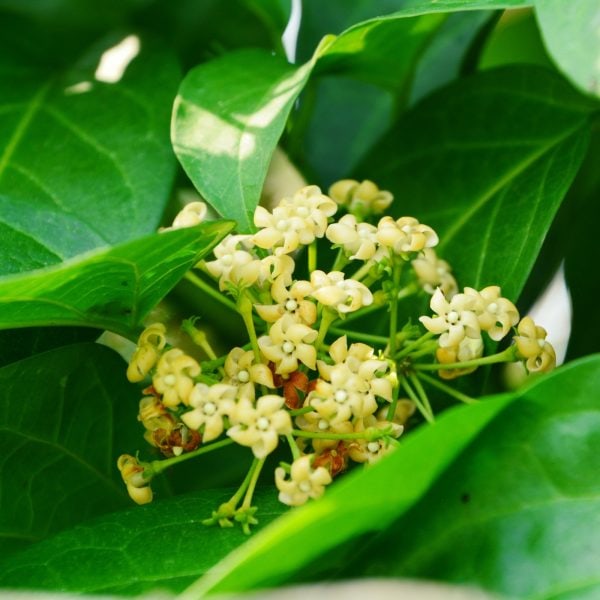
Gymnema sylvestre, known as Gurmar, is primarily recognized for its gymnemic acids, which are triterpenoid saponins that modulate glucose metabolism and taste perception. This plant sits at the intersection of Ayurvedic medicine, where it is traditionally used for diabetes management, and modern pharmacological research, which explores its role in glucose homeostasis and weight management. The unique ability of gymnemic acids to block sugar receptors on the tongue and in the intestine underpins its dual action on taste modulation and glucose absorption.
What it helps with
Blood sugar regulation
Gymnemic acids inhibit glucose absorption in the intestine by blocking the sugar receptors, SGLT1 and GLUT2, reducing postprandial glucose spikes. This mechanism is supported by both animal studies and small human trials, which show improved glycemic control in individuals with type 2 diabetes.
Weight management
By modulating taste perception, gymnemic acids reduce sweet cravings, potentially lowering caloric intake. This is linked to their ability to bind to taste receptors on the tongue, as demonstrated in human sensory trials. Additionally, gymnemic acids may enhance lipid metabolism by activating PPAR-alpha, as observed in animal models.
Cholesterol & lipid profiles
In animal studies, gymnemic acids have been shown to reduce LDL cholesterol and triglycerides by inhibiting pancreatic lipase and enhancing bile acid excretion. This effect is mediated through the modulation of cholesterol transporters and enzymes involved in lipid metabolism.
Antioxidant activity
Gymnema sylvestre exhibits antioxidant properties through the upregulation of Nrf2, leading to increased expression of endogenous antioxidant enzymes like superoxide dismutase and catalase. This mechanism has been observed in vitro and in animal studies, suggesting potential protective effects against oxidative stress-related conditions.
Anti-inflammatory effects
Gymnemic acids modulate inflammatory pathways by inhibiting NF-kB activation, reducing the production of pro-inflammatory cytokines such as TNF-alpha and IL-6. This anti-inflammatory action has been documented in both in vitro studies and animal models.
Digestive health
Traditionally used to support digestion, Gymnema sylvestre may enhance digestive enzyme activity and reduce intestinal gas formation. This is partly attributed to its saponin content, which can modulate gut microbiota composition, as suggested by preliminary animal studies.
Immune modulation
Gymnema sylvestre may support immune function by influencing cytokine production and lymphocyte proliferation. Its immunomodulatory effects are linked to the modulation of T-cell activity and have been observed in vitro and in animal studies.
Key active compounds
Gymnemic acids
Triterpenoid saponins that block sugar absorption by binding to intestinal receptors SGLT1 and GLUT2, and modulate taste receptors to reduce sweet perception. They are central to the plant's antidiabetic and weight management effects.
Gurmarin
A polypeptide that suppresses sweet taste sensation by interacting with taste buds, contributing to reduced sugar cravings. It has been studied in the context of taste modulation.
Gymnemagenin
An aglycone of gymnemic acids, involved in lipid metabolism modulation through PPAR-alpha activation, influencing cholesterol and triglyceride levels.
Saponins
These compounds contribute to the plant's overall bioactivity, including its emulsifying properties that aid in lipid digestion and absorption.
Flavonoids
These polyphenolic compounds exhibit antioxidant activity, scavenging free radicals and upregulating antioxidant defenses via Nrf2 pathways.
Chlorogenic acid
An antioxidant that contributes to the plant's protective effects against oxidative stress and may enhance glucose metabolism by influencing AMPK pathways.
What the research says
Research on Gymnema sylvestre is robust in the area of glucose metabolism, with gymnemic acids showing the strongest human evidence in small clinical trials targeting blood sugar control in type 2 diabetes. Animal studies further support its role in lipid metabolism and weight management, highlighting mechanisms like PPAR-alpha activation and pancreatic lipase inhibition. The main limitation is the variability in bioactive compound concentration across different extracts, which affects consistency in clinical outcomes. Standardization of gymnemic acid content and development of bioavailability-enhanced formulations are ongoing to address these challenges.
Typical dosage
For tea or infusion, steep 1-2 grams of dried Gymnema Sylvestre leaves in hot water for 5-10 minutes, and consume up to three times daily. Capsules typically contain 400-600 mg of standardized extract, taken once or twice daily with meals. Tinctures can be used at a dose of 2-4 ml, up to three times a day. For powders, a common dosage is 500 mg to 1 gram, taken once or twice daily. Always start with the lower end of the dosage range and adjust as needed, under professional guidance.
About Gurmar
Traditional Use
Preparations & Dosage
Preparations
- Tea / Infusion: Boil water and pour over 1-2 grams of dried Gymnema Sylvestre leaves. Let it steep for 5-10 minutes. Strain the leaves and drink the infusion. It can be consumed up to three times daily.
- Capsule: Take 400-600 mg of standardized Gymnema Sylvestre extract in capsule form, once or twice daily with meals.
- Tincture: Use 2-4 ml of Gymnema Sylvestre tincture, diluted in a small amount of water, up to three times daily.
- Powder: Mix 500 mg to 1 gram of Gymnema Sylvestre powder into smoothies or water, and consume once or twice daily.
Interactions & Warnings
Use with caution
Gymnema Sylvestre should be used with caution by individuals taking medication for diabetes, as it can enhance the effects of these drugs and lead to hypoglycemia. Pregnant and breastfeeding women should avoid its use due to insufficient safety data. Always consult with a healthcare provider before starting any new supplement.
Herb Interactions
Both herbs can lower blood sugar levels, and their combined use may increase the risk of hypoglycemia.
Community Plants
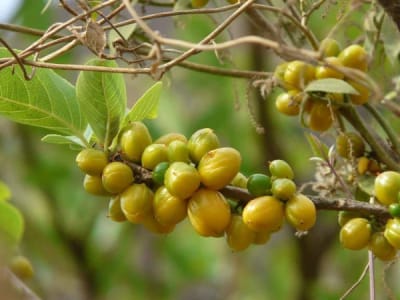
Real plants of this species grown and shared by the MyFloralVault community.

More in Metabolic Health





Was this helpful?
0 · 0
Care Guide Available
Learn how to grow and care for Gurmar at home