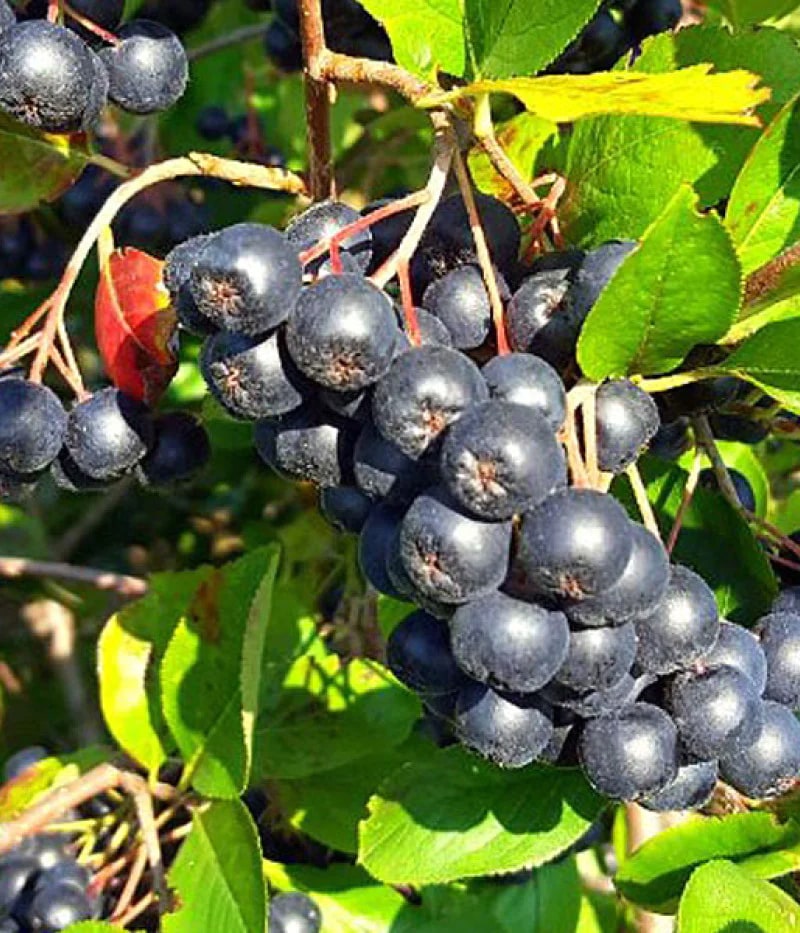
Chokeberry
Aronia Melanocarpa
Medicinal Facts
Aronia melanocarpa, commonly known as chokeberry, is rich in anthocyanins, particularly cyanidin-3-galactoside, which confer potent antioxidant properties. This plant sits at the intersection of traditional Native American medicine, where it was used for its nutritional and health-promoting properties, and modern research focused on its cardiovascular and metabolic benefits. The berries' high polyphenol content is central to their role in modulating oxidative stress and inflammation pathways. Despite their astringent taste, chokeberries are increasingly studied for their potential in managing metabolic syndrome and supporting cardiovascular health.
What it helps with
Cardiovascular health
Anthocyanins in chokeberry, particularly cyanidin-3-galactoside, enhance endothelial nitric oxide synthase (eNOS) activity, promoting vasodilation and improving blood flow. They also inhibit LDL oxidation and reduce platelet aggregation, contributing to cardiovascular protection. Human trials have shown improvements in blood pressure and lipid profiles, supporting their use as a cardiovascular adjunct.
Metabolic syndrome
Chokeberry polyphenols activate AMP-activated protein kinase (AMPK), which enhances insulin sensitivity and reduces hepatic glucose production. This mechanism is supported by human studies demonstrating reduced fasting glucose and improved insulin resistance in individuals with metabolic syndrome.
Antioxidant support
The high anthocyanin content in chokeberries modulates Nrf2 signaling, leading to increased expression of antioxidant enzymes such as superoxide dismutase (SOD) and glutathione peroxidase. This action helps mitigate oxidative stress, as evidenced by both in vitro and animal studies.
Anti-inflammatory effects
Chokeberry extracts downregulate NF-kB signaling, resulting in decreased production of pro-inflammatory cytokines like TNF-alpha and IL-6. This anti-inflammatory effect has been observed in animal models and small human trials, suggesting potential benefits for inflammatory conditions.
Immune support
Cyanidin-3-galactoside and other polyphenols in chokeberry enhance immune function by modulating the activity of immune cells and increasing the production of antiviral cytokines. This has been demonstrated in vitro and in animal studies, indicating potential for immune support.
Urinary tract health
Traditionally used for urinary tract health, chokeberry's proanthocyanidins prevent bacterial adhesion to the urinary tract epithelium. This mechanism is similar to that of cranberry and is supported by preliminary human studies.
Eye health
Anthocyanins in chokeberry may support eye health by protecting retinal cells from oxidative damage, a process mediated through the activation of Nrf2 and inhibition of apoptosis pathways. This is primarily supported by in vitro studies.
Key active compounds
Cyanidin-3-galactoside
A major anthocyanin in chokeberry. It acts as a potent antioxidant by scavenging free radicals and upregulating Nrf2, enhancing cellular antioxidant defenses.
Proanthocyanidins
These polyphenolic compounds inhibit bacterial adhesion, particularly in the urinary tract, and contribute to the overall antioxidant capacity of chokeberry.
Quercetin
A flavonoid that modulates inflammatory pathways by inhibiting NF-kB and COX-2, contributing to chokeberry's anti-inflammatory effects.
Chlorogenic acid
An ester of caffeic acid with antioxidant and anti-inflammatory activities. It inhibits glucose absorption in the gut, supporting metabolic health.
Epicatechin
A flavanol that enhances endothelial function by increasing nitric oxide production and reducing oxidative stress.
Caffeic acid
This phenolic acid exhibits antioxidant properties and supports metabolic health by modulating glucose metabolism.
Rutin
A glycoside of quercetin that contributes to vascular health by strengthening capillary walls and reducing inflammation.
What the research says
Research on chokeberry is robust in the areas of cardiovascular and metabolic health. Human trials have demonstrated significant improvements in blood pressure and lipid profiles, with cyanidin-3-galactoside and other anthocyanins showing the strongest evidence. In metabolic syndrome, chokeberry's ability to activate AMPK and improve insulin sensitivity is supported by both human and animal studies. The primary limitation remains the bioavailability of anthocyanins, which is addressed through the development of standardized extracts and formulations that enhance absorption. Ongoing research continues to explore these compounds' potential in broader health contexts, including immune and eye health.
Typical dosage
For juice, consume 50-100 ml daily. In tincture form, take 1-2 ml up to three times daily. Capsules or powders typically recommend 500-1000 mg per day. For tea, steep 1-2 teaspoons of dried berries in hot water for 10-15 minutes, consuming up to three cups daily. Adjust based on individual tolerance and health goals.
About Chokeberry
Traditional Use
Preparations & Dosage
Preparations
- Juice: Extract juice from fresh chokeberries using a juicer. Consume immediately or store in the refrigerator for up to 3 days. Can be diluted with water or mixed with other juices for taste.
- Tincture: Combine dried chokeberries with alcohol (vodka or brandy) in a 1:5 ratio. Seal in a jar and store in a cool, dark place for 4-6 weeks, shaking occasionally. Strain before use.
- Tea / Infusion: Steep 1-2 teaspoons of dried chokeberries in 8 ounces of hot water for 10-15 minutes. Strain and enjoy hot or cold.
Interactions & Warnings
Use with caution
Aronia melanocarpa is generally considered safe for most people when consumed in typical dietary amounts. However, individuals with specific allergies to plants in the rose family should exercise caution. Excessive consumption may lead to digestive discomfort.
Herb Interactions
Combined use may enhance blood-thinning effects, requiring caution in individuals on anticoagulant therapy.
Community Plants
Real plants of this species grown and shared by the MyFloralVault community.
More in Cardiovascular & Blood





Was this helpful?
0 · 0
Care Guide Available
Learn how to grow and care for Chokeberry at home