Dan Shen
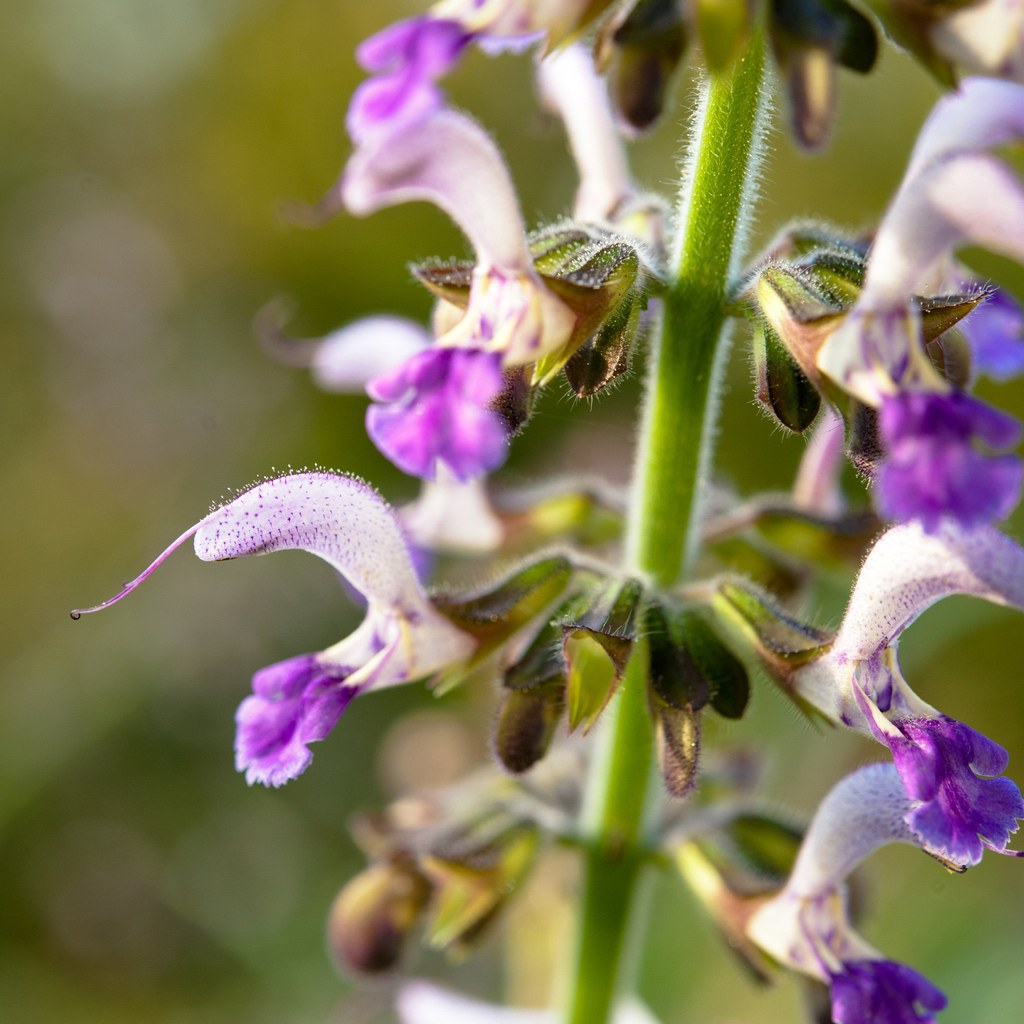
Salvia Bowleyana
Medicinal Facts
Salvia Bowleyana, commonly known as Dan Shen, is renowned for its rich array of diterpenoid quinones, particularly tanshinones, and phenolic acids like salvianolic acid B. It stands at the intersection of traditional Chinese medicine, where it is prized for cardiovascular support and blood stasis, and modern pharmacological research focusing on its effects on endothelial function and anti-inflammatory pathways. Its therapeutic potential is deeply tied to its ability to modulate nitric oxide production and inhibit platelet aggregation, making it a subject of interest in cardiovascular and neuroprotective studies.
What it helps with
Cardiovascular health
Tanshinones and salvianolic acids in Dan Shen enhance endothelial nitric oxide synthase (eNOS) activity, promoting vasodilation and improving blood flow. They also inhibit platelet aggregation through the suppression of thromboxane A2 synthesis. Human trials and traditional use both support its role in managing coronary artery disease and hypertension.
Chronic inflammation
Tanshinone IIA inhibits the NF-kB pathway, reducing the expression of pro-inflammatory cytokines such as TNF-a and IL-1b. This action is supported by both in vitro and animal studies, highlighting its potential in treating inflammatory conditions like rheumatoid arthritis.
Neuroprotection
Salvianolic acid B protects neurons from oxidative stress by activating the Nrf2 pathway, which upregulates antioxidant enzymes like heme oxygenase-1. Animal models suggest it may reduce ischemic brain injury, though human data are limited.
Liver protection
Dan Shen's compounds, particularly salvianolic acid B, activate the Nrf2 pathway, enhancing the liver's antioxidant defenses. This mechanism has been observed in animal models of liver injury, suggesting potential benefits in conditions like non-alcoholic fatty liver disease.
Cancer-adjunct research
Tanshinones induce apoptosis in cancer cells by modulating the Bcl-2/Bax ratio and activating caspases. Preclinical studies show promise in various cancer models, though clinical evidence is still emerging.
Diabetes management
Salvianolic acids improve insulin sensitivity by activating the AMPK pathway, which enhances glucose uptake and reduces hepatic gluconeogenesis. Animal studies support its potential as an adjunct in diabetes care.
Bone health
Tanshinone IIA promotes osteoblast differentiation via the BMP-2/Smad signaling pathway, potentially aiding in the prevention of osteoporosis. This effect is primarily supported by in vitro research.
Key active compounds
Tanshinone IIA
A major diterpenoid quinone that inhibits NF-kB and modulates the Bcl-2/Bax ratio, promoting apoptosis in cancer cells. It also enhances endothelial function by increasing eNOS activity.
Salvianolic acid B
A phenolic acid that activates the Nrf2 pathway, providing antioxidant protection and enhancing liver and neuroprotection. It also modulates AMPK, supporting metabolic health.
Cryptotanshinone
Another diterpenoid with anti-inflammatory properties, inhibiting STAT3 signaling and reducing cytokine production. It shows potential in cancer and inflammatory disease models.
Dihydrotanshinone I
Exhibits strong antimicrobial activity and modulates the NF-kB pathway, contributing to its anti-inflammatory effects. It is less studied than other tanshinones but shows promise in early research.
Tanshinone I
A diterpenoid that induces apoptosis and inhibits angiogenesis in cancer models. It also contributes to the cardiovascular benefits of Dan Shen by modulating platelet function.
Danshensu
A water-soluble compound with antioxidant properties, enhancing the bioavailability of other active components and supporting cardiovascular health.
Rosmarinic acid
A phenolic compound with anti-inflammatory and antioxidant effects, contributing to the herb's neuroprotective and hepatoprotective actions.
What the research says
Research on Salvia Bowleyana is robust in the areas of cardiovascular and anti-inflammatory effects. Tanshinone IIA and salvianolic acid B have the strongest human evidence, particularly in cardiovascular health, with several clinical trials demonstrating improvements in endothelial function and blood flow. Preclinical studies dominate in cancer and neuroprotection, with promising results in animal models but limited human data. A primary limitation is the bioavailability of its active compounds; efforts to improve absorption include nanoparticle delivery systems and co-administration with bioenhancers like piperine.
Typical dosage
For decoctions, use 5-15 grams of dried root per day, simmered in water for 30-60 minutes. Tinctures can be taken at a dosage of 2-4 ml, three times daily. Capsules and powders should follow the manufacturer's instructions, typically 500 mg to 1 gram per dose, up to three times daily. Topical applications are used as directed for specific conditions.
About Dan Shen
Traditional Use
Preparations & Dosage
Preparations
- Decoction: Use 5-15 grams of dried Salvia Bowleyana root. Add to 500 ml of water, bring to a boil, then simmer for 30-60 minutes. Strain and drink the liquid warm.
- Tincture: Use a 1:5 ratio of dried herb to alcohol. Let it steep for 4-6 weeks in a cool, dark place, shaking occasionally. Strain and store in a dark bottle.
- Capsule: Follow manufacturer's instructions, typically 500 mg to 1 gram per dose, taken up to three times daily.
- Powder: Use 1-2 grams of powdered herb, mixed with water or juice, taken up to three times daily.
- Topical application: Prepare a paste with powdered herb and a carrier oil. Apply to the affected area as needed.
Interactions & Warnings
Use with caution
Salvia Bowleyana should be used with caution in individuals taking anticoagulant or antiplatelet medications due to its blood-thinning properties. Pregnant or breastfeeding women should avoid its use unless under professional guidance. It may interact with medications affecting the liver.
Herb Interactions
Both herbs have blood-thinning properties, which could increase the risk of bleeding.
Combined use may enhance anticoagulant effects, increasing bleeding risk.
Community Plants
Real plants of this species grown and shared by the MyFloralVault community.

More in Cardiovascular & Blood




Was this helpful?
0 · 0
Care Guide Available
Learn how to grow and care for Dan Shen at home