Hawthorn
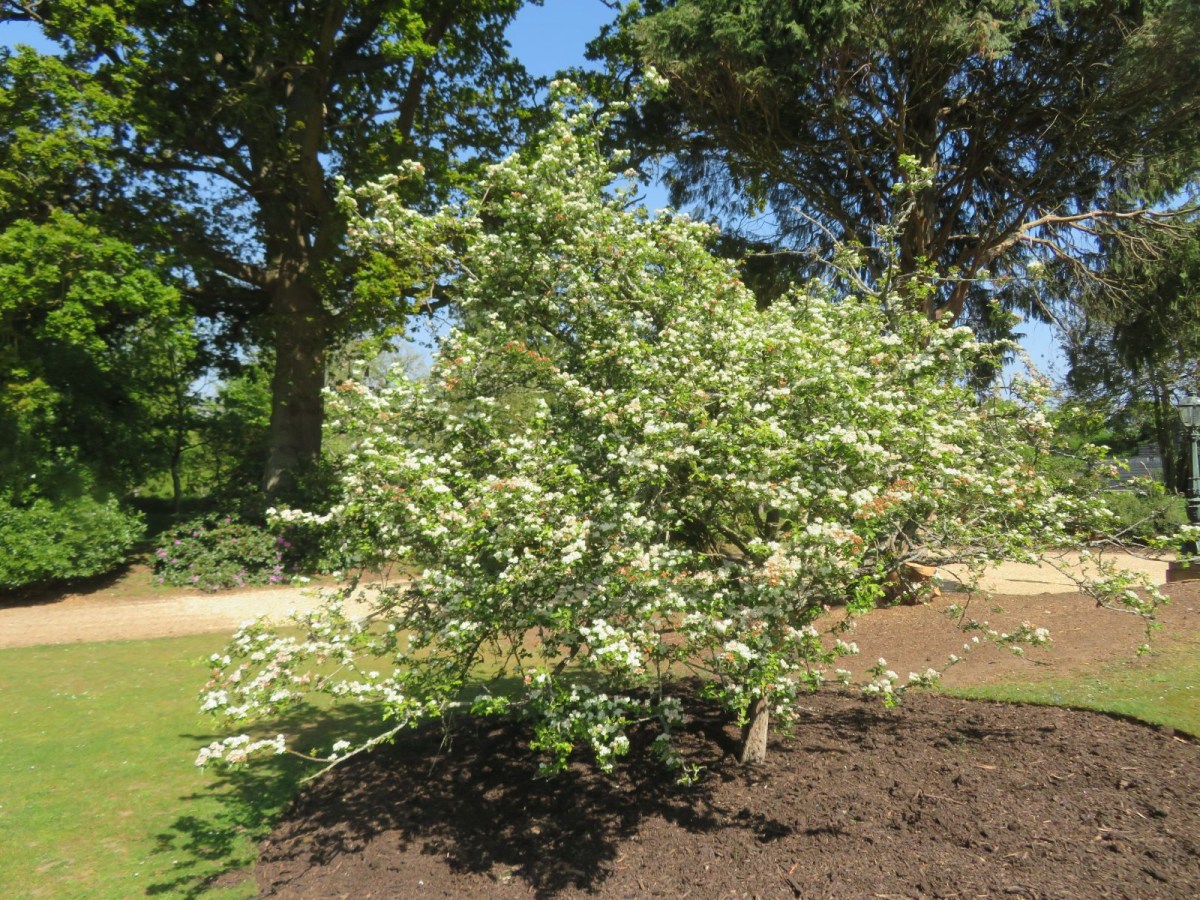
Crataegus monogyna
Medicinal Facts
Hawthorn's medicinal properties are primarily due to its flavonoids and oligomeric proanthocyanidins, which exert antioxidant effects and support cardiovascular health. It sits at the intersection of traditional herbal medicine and modern phytotherapy, where it is studied for its role in managing heart conditions and improving overall heart function.
What it helps with
Heart failure
Hawthorn has been shown to improve exercise tolerance and symptoms in patients with heart failure by enhancing myocardial contractility and increasing cardiac output, likely through its action on beta-adrenergic receptors.
Hypertension
Research indicates that hawthorn may help lower blood pressure by promoting vasodilation and improving endothelial function, potentially through its flavonoid content that influences nitric oxide pathways.
Cholesterol management
Hawthorn may aid in reducing total cholesterol and triglyceride levels, possibly by modulating lipid metabolism through its antioxidant properties.
Anxiety and stress relief
Traditionally used as a mild sedative, hawthorn may help alleviate anxiety symptoms by modulating GABA-A receptor activity, promoting relaxation without sedation.
Angina pectoris
Hawthorn is believed to improve blood flow to the heart, which may relieve angina symptoms by reducing myocardial oxygen demand and increasing coronary blood flow.
Key active compounds
Flavonoids
Antioxidants that support endothelial function and promote vasodilation.
Proanthocyanidins
Compounds that enhance cardiac function and may improve blood flow.
Vitexin
A flavonoid that may contribute to the relaxation of blood vessels and support heart health.
Quercetin
A flavonoid with anti-inflammatory properties that may help reduce blood pressure.
Oligomeric proanthocyanidins
Compounds that exhibit strong antioxidant activity, protecting cardiovascular tissues.
What the research says
Evidence surrounding hawthorn primarily focuses on its cardiovascular benefits. On heart failure, clinical trials have shown that hawthorn extracts can improve symptoms and exercise capacity, with effects comparable to standard heart medications. On hypertension, studies suggest that hawthorn may lower blood pressure through vasodilatory effects and improved endothelial function. While the evidence is promising, the main limitation is the variability in extract quality and dosage, highlighting the need for standardized formulations to maximize therapeutic benefits.
Typical dosage
For tea, steep 1-2 teaspoons of dried hawthorn berries in hot water for 10-15 minutes, and consume 1-3 times daily. For tinctures, a typical dosage is 20-30 drops (1-2 ml) taken 2-3 times daily. Capsules usually contain 300-500 mg of hawthorn extract, taken once or twice daily, depending on the formulation.
About Hawthorn
Preparations & Dosage
Preparations
- Tea / Infusion: To prepare hawthorn tea, use 1-2 teaspoons of dried hawthorn berries or leaves. Boil water to about 200°F (93°C), pour over the plant material, and steep for 10-15 minutes. Strain and serve warm, optionally sweetened with honey.
- Tincture: Combine 1 part dried hawthorn berries with 5 parts alcohol (such as vodka) in a jar. Seal and let steep for 4-6 weeks, shaking occasionally. Strain and store in a dark glass bottle.
- Capsule: Hawthorn capsules typically contain standardized extracts. Follow the manufacturer's instructions for dosage and frequency.
Interactions & Warnings
Use with caution
Hawthorn may interact with certain heart medications, including beta-blockers and calcium channel blockers, potentially leading to increased effects. Individuals with low blood pressure or those on antihypertensive medications should consult a healthcare provider before use.
Herb Interactions
Both may have blood-thinning effects, increasing the risk of bleeding.
Both may lower blood pressure, leading to hypotension when combined.
Community Plants
Real plants of this species grown and shared by the MyFloralVault community.

More in Cardiovascular & Blood




Was this helpful?
0 · 0
Care Guide Available
Learn how to grow and care for Hawthorn at home