Hibiscus
Hibiscus Sabdariffa
Medicinal Facts
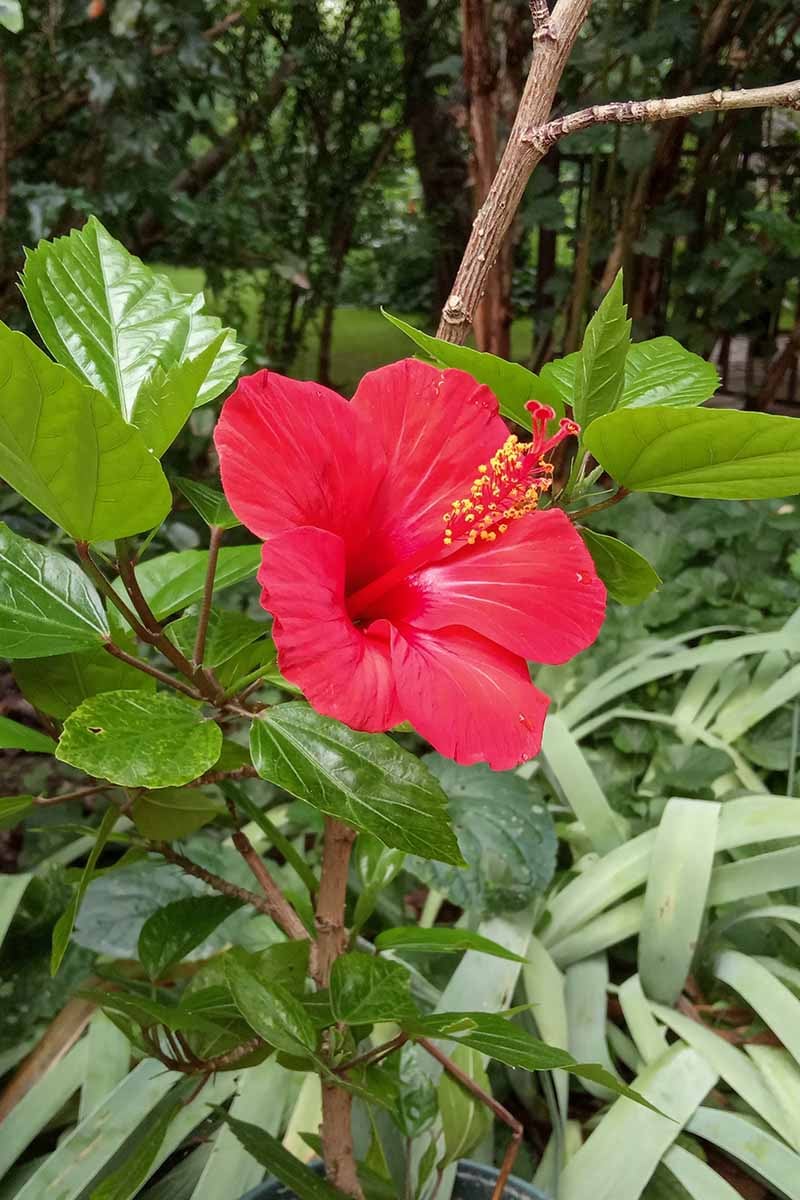
Hibiscus sabdariffa, commonly known as hibiscus, is renowned for its anthocyanins and organic acids, particularly hibiscus acid, which confer its vibrant color and potent health benefits. It sits at the crossroads of traditional African and Asian medicine, where it is used for cardiovascular and digestive health, and modern research that explores its antihypertensive and lipid-lowering effects. The plant's bioactive compounds are increasingly studied for their ability to modulate oxidative stress and inflammation, with a particular focus on cardiovascular and metabolic pathways.
What it helps with
Hypertension
Hibiscus anthocyanins and hibiscus acid have been shown to inhibit angiotensin-converting enzyme (ACE), a key regulator of blood pressure. This results in vasodilation and reduced blood pressure, confirmed by several human trials demonstrating significant reductions in systolic and diastolic blood pressure in hypertensive patients.
Dyslipidemia
Research indicates that hibiscus polyphenols can modulate lipid metabolism by upregulating peroxisome proliferator-activated receptor alpha (PPAR-alpha), leading to decreased levels of LDL cholesterol and triglycerides. These effects have been observed in both animal models and human studies, highlighting its potential as a natural lipid-lowering agent.
Oxidative stress
Rich in anthocyanins, hibiscus exhibits strong antioxidant activity by scavenging free radicals and upregulating the Nrf2 pathway, which enhances the expression of endogenous antioxidant enzymes like superoxide dismutase (SOD) and catalase. This mechanism is supported by in vitro studies and animal models.
Liver health
Hibiscus may support liver function by reducing hepatic lipid accumulation and oxidative stress. Its polyphenolic compounds activate AMPK, which enhances fatty acid oxidation and reduces lipogenesis, as evidenced in animal studies of non-alcoholic fatty liver disease (NAFLD).
Weight management
Hibiscus extract has been shown to inhibit the activity of pancreatic lipase, an enzyme critical for fat absorption, thus potentially reducing fat accumulation. Clinical trials have reported modest weight loss and reduced body fat percentage in overweight individuals consuming hibiscus extract.
Diabetes management
Hibiscus polyphenols, including chlorogenic acid, can improve insulin sensitivity and glucose metabolism by modulating the AMPK pathway. Animal studies and preliminary human trials suggest a potential role in managing blood glucose levels and enhancing insulin action.
Urinary tract health
Traditionally used for urinary tract infections, hibiscus exhibits antibacterial activity against common pathogens like E. coli. This is attributed to its organic acids, which can acidify urine and inhibit bacterial growth, a mechanism supported by in vitro studies.
Key active compounds
Anthocyanins
These flavonoid pigments are responsible for the red coloration and have potent antioxidant properties. They inhibit ACE and modulate vascular function, contributing to antihypertensive effects.
Hibiscus acid
An organic acid unique to hibiscus, it contributes to its sour taste and exhibits ACE inhibitory activity, supporting blood pressure regulation.
Chlorogenic acid
A polyphenol with antioxidant and glucose-modulating properties, it activates AMPK and enhances insulin sensitivity, relevant to metabolic health.
Quercetin
A flavonoid with anti-inflammatory and antioxidant effects, quercetin inhibits lipid peroxidation and modulates NF-kB signaling.
Organic acids (citric, malic)
These acids contribute to the sour taste and possess antimicrobial properties, particularly against urinary tract pathogens.
Polysaccharides
These compounds have immunomodulatory effects and contribute to the overall antioxidant capacity of hibiscus.
Vitamin C
An essential nutrient with antioxidant properties that synergizes with anthocyanins to enhance free radical scavenging.
What the research says
Hibiscus research is robust in the areas of cardiovascular health, particularly hypertension and dyslipidemia, with multiple human trials confirming its efficacy in lowering blood pressure and improving lipid profiles. The anthocyanins and hibiscus acid are central to these effects. In metabolic health, animal studies and early human trials suggest benefits for weight management and glucose regulation, primarily via AMPK activation. The main limitation in hibiscus research is the variability in preparation and dosage across studies, which affects bioavailability and consistency of results. Standardized extracts and controlled clinical trials are addressing these challenges, providing clearer insights into its therapeutic potential.
Typical dosage
For hibiscus tea, steep 1-2 teaspoons of dried hibiscus flowers in 8 ounces of boiling water for 5-10 minutes. Drink 1-2 cups per day. For tinctures, take 1-2 ml up to three times daily. Capsules typically contain 250-500 mg of hibiscus extract, taken once or twice daily. Always consult with a healthcare provider for personalized dosage recommendations.
About Hibiscus
Traditional Use
Preparations & Dosage
Preparations
- Tea / Infusion: Boil water and pour over 1-2 teaspoons of dried hibiscus flowers. Steep for 5-10 minutes, then strain and serve hot or cold. Add honey or lemon for flavor if desired.
- Tincture: Combine 1 part dried hibiscus flowers with 5 parts alcohol (such as vodka) in a jar. Seal and store in a cool, dark place for 4-6 weeks, shaking occasionally. Strain and store the tincture in a dark bottle.
- Capsule: Purchase standardized hibiscus extract capsules. Follow the manufacturer's instructions for dosage, typically 250-500 mg once or twice daily.
- Powder: Use hibiscus powder in smoothies or juices. Mix 1 teaspoon of powder into your beverage of choice.
Interactions & Warnings
Use with caution
Hibiscus may lower blood pressure, so individuals on antihypertensive medications should use it cautiously. Pregnant and breastfeeding women should avoid it due to insufficient safety data. It may also interact with certain medications, such as those for diabetes and hypertension.
Herb Interactions
Both hibiscus and garlic can lower blood pressure, so combining them may lead to hypotension.
May enhance digestive effects, potentially leading to mild gastrointestinal discomfort.
Community Plants
Real plants of this species grown and shared by the MyFloralVault community.

More in Cardiovascular & Blood




Was this helpful?
1 · 0
Care Guide Available
Learn how to grow and care for Hibiscus at home