Cecropia
Cecropia Peltata
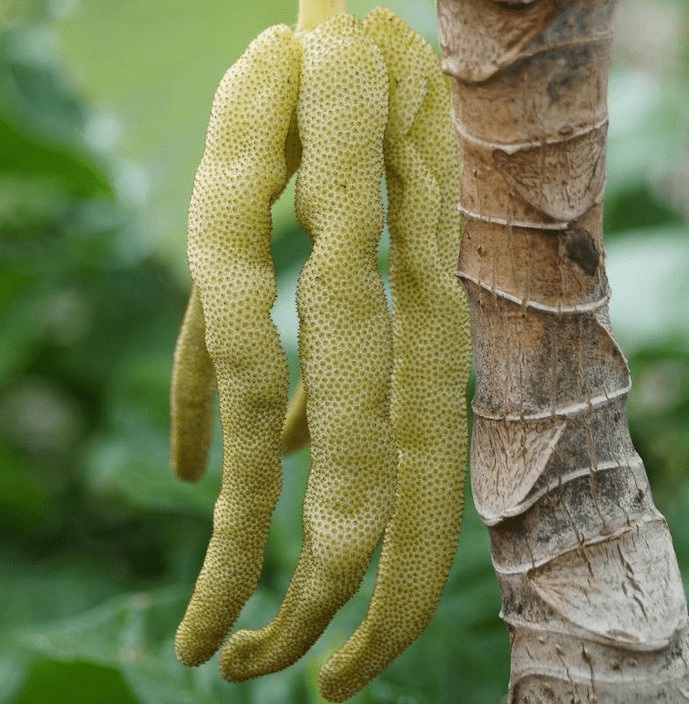
Medicinal Facts
Cecropia peltata, commonly known as Cecropia, is rich in polyphenolic compounds such as catechins and proanthocyanidins, which contribute to its diverse medicinal properties. This plant sits at the intersection of traditional Amazonian medicine, where it is used for respiratory and cardiovascular health, and modern pharmacological research focused on its anti-inflammatory and antihypertensive effects. The plant's unique profile also includes triterpenes and alkaloids, which are being investigated for their potential impact on metabolic disorders. Its traditional uses are being validated by emerging scientific studies, highlighting its role in managing chronic conditions.
What it helps with
Hypertension
Cecropia peltata contains proanthocyanidins and catechins, which have been shown to modulate the renin-angiotensin system and inhibit angiotensin-converting enzyme (ACE), leading to vasodilation and reduced blood pressure. Animal studies support its antihypertensive effects, aligning with traditional uses for cardiovascular health.
Respiratory health
Traditionally used as a bronchodilator, Cecropia's catechins may inhibit phosphodiesterase (PDE) enzymes, increasing cyclic AMP levels and relaxing bronchial smooth muscles. This mechanism is supported by in vitro studies and aligns with its use in treating asthma and other respiratory conditions.
Inflammation
The plant's polyphenolic content, particularly catechins, inhibits the NF-kB pathway, reducing the expression of pro-inflammatory cytokines such as TNF-a and IL-6. This action is supported by both in vitro and animal studies, suggesting potential benefits in inflammatory disorders.
Diabetes management
Cecropia's triterpenes and alkaloids may enhance insulin sensitivity by activating the AMPK pathway, which increases glucose uptake in muscle cells. Preclinical studies indicate a potential role in managing type 2 diabetes, although human trials are needed to confirm efficacy.
Antioxidant support
Rich in catechins and proanthocyanidins, Cecropia exhibits strong free radical scavenging activity, enhancing cellular antioxidant defenses through the upregulation of Nrf2. This mechanism is well-documented in vitro, supporting its use in oxidative stress-related conditions.
Weight management
By activating the AMPK pathway, Cecropia may enhance metabolic rate and promote lipolysis, aiding in weight management. Animal studies suggest a potential for reducing adiposity, although clinical evidence is limited.
Neuroprotection
Cecropia's polyphenols may protect neuronal cells by modulating oxidative stress and inflammation, potentially through the inhibition of the NF-kB pathway and the activation of Nrf2. Preclinical models suggest benefits in neurodegenerative conditions, though human data are preliminary.
Key active compounds
Catechins
These polyphenols are potent antioxidants that inhibit phosphodiesterase enzymes and modulate the NF-kB pathway, contributing to anti-inflammatory and bronchodilatory effects.
Proanthocyanidins
These compounds exhibit strong antioxidant properties and play a role in cardiovascular health by inhibiting ACE, which helps in blood pressure regulation.
Triterpenes
Bioactive compounds that may enhance insulin sensitivity and activate the AMPK pathway, contributing to metabolic health benefits.
Alkaloids
These compounds may support metabolic regulation by influencing insulin pathways and enhancing glucose uptake.
Flavonoids
Contribute to the plant's antioxidant capacity and may modulate inflammatory pathways, enhancing overall health benefits.
Chlorogenic acid
A polyphenol that may contribute to glucose metabolism regulation and exhibit antioxidant properties, supporting cardiovascular and metabolic health.
What the research says
Research on Cecropia peltata is focused on its cardiovascular and metabolic effects. Proanthocyanidins and catechins have shown antihypertensive effects in animal models, with some preliminary human data supporting these findings. The plant's role in respiratory health is supported by in vitro studies demonstrating bronchodilatory effects via PDE inhibition. However, the strongest evidence remains preclinical, with a need for more robust human trials. The main limitation is the variability in compound concentration across different plant parts and preparations, which is being addressed through standardization efforts in extract formulations.
Typical dosage
For a tea or infusion, use 1-2 teaspoons of dried Cecropia leaves per cup of boiling water, steep for 10-15 minutes, and consume up to three times daily. For tinctures, a typical dosage is 1-2 ml taken two to three times per day. Capsules containing Cecropia leaf extract are usually taken at a dose of 500 mg, once or twice daily. It is important to start with lower doses to assess tolerance and adjust as needed.
About Cecropia
Traditional Use
Preparations & Dosage
Preparations
- Tea / Infusion: Boil water and pour over 1-2 teaspoons of dried Cecropia leaves. Cover and steep for 10-15 minutes. Strain the leaves and serve warm. Optionally, add honey or lemon for taste.
- Tincture: Use a dropper to measure 1-2 ml of Cecropia tincture. Mix with a small amount of water or juice and consume. Repeat two to three times daily.
- Capsule: Take one 500 mg capsule of Cecropia leaf extract with water, once or twice daily, preferably with meals.
Interactions & Warnings
Use with caution
Cecropia Peltata should be used with caution, especially by individuals with low blood pressure or those taking antihypertensive medications, as it may enhance their effects. Pregnant and breastfeeding women should avoid its use due to insufficient safety data.
Herb Interactions
Both herbs may lower blood pressure, potentially leading to hypotension if combined.
Community Plants
Real plants of this species grown and shared by the MyFloralVault community.

More in Cardiovascular & Blood



Was this helpful?
0 · 0
Care Guide Available
Learn how to grow and care for Cecropia at home