Bilberry
Vaccinium myrtillus
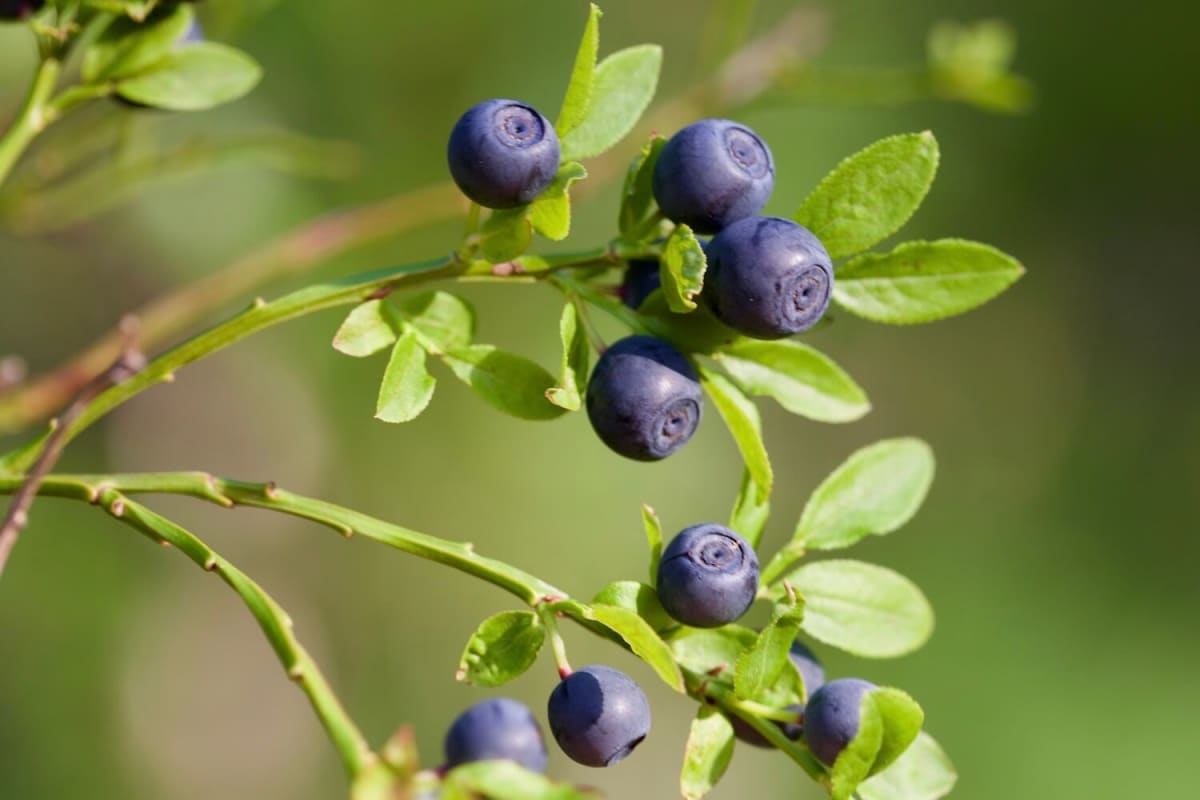
Medicinal Facts
Bilberry's medicinal potential is largely attributed to its anthocyanins, particularly delphinidin and cyanidin derivatives, which are potent antioxidants and vascular protectants. It stands at the intersection of traditional European herbal medicine, where it has been used for vision and circulatory support, and modern phytochemical research focusing on endothelial function and glucose metabolism. Bilberry's efficacy is often linked to its ability to modulate oxidative stress and inflammation, although bioavailability remains a key consideration.
What it helps with
Vision & eye health
Bilberry anthocyanins, particularly delphinidin, enhance rhodopsin regeneration and protect retinal cells through the inhibition of NF-kB and modulation of MAPK pathways, reducing oxidative stress. Animal studies and small human trials suggest improved night vision and slowing of macular degeneration progression.
Vascular health & circulation
Anthocyanins in bilberry enhance endothelial nitric oxide synthase (eNOS) activity, improving vasodilation and reducing platelet aggregation. This effect is supported by human trials showing improved microcirculation and capillary resistance, particularly in chronic venous insufficiency.
Metabolic syndrome & glucose regulation
Bilberry extracts modulate AMPK and PPAR-gamma pathways, enhancing insulin sensitivity and reducing hepatic glucose production. Human studies indicate potential benefits in lowering fasting glucose and HbA1c levels, although results are preliminary and often confounded by dietary factors.
Anti-inflammatory effects
Anthocyanins downregulate pro-inflammatory cytokines such as TNF-alpha and IL-1beta via NF-kB inhibition. This broad anti-inflammatory action is supported by in vitro and animal models, with emerging evidence from small human trials.
Cognitive function & neuroprotection
Bilberry anthocyanins cross the blood-brain barrier and may enhance neurogenesis and synaptic plasticity through BDNF pathway activation. Preliminary human studies suggest cognitive benefits, particularly in aging populations.
Gastrointestinal health
Bilberry's tannins and anthocyanins exert astringent and antimicrobial effects, beneficial in managing diarrhea and gut inflammation. Traditional use is supported by limited clinical evidence, focusing on symptom relief in mild gastrointestinal disturbances.
Skin health & anti-aging
Topical and oral bilberry extracts promote collagen synthesis and protect against UV-induced skin damage through the activation of Nrf2 and inhibition of MMPs. Evidence is primarily preclinical, with some small-scale human studies.
Key active compounds
Delphinidin
An anthocyanin with strong antioxidant properties, it modulates NF-kB and MAPK pathways, enhancing vascular and retinal health. Its bioavailability is limited, often requiring high doses for systemic effects.
Cyanidin
Another key anthocyanin, it inhibits pro-inflammatory cytokines and supports glucose metabolism via AMPK activation. It synergizes with other anthocyanins for enhanced efficacy.
Quercetin
A flavonol that contributes to bilberry's anti-inflammatory and antioxidant effects by inhibiting COX-2 and modulating NF-kB. It enhances the vascular benefits of anthocyanins.
Tannins
Polyphenolic compounds with astringent properties, they contribute to bilberry's gastrointestinal benefits by modulating gut microbiota and reducing inflammation.
Resveratrol
A stilbenoid present in small amounts, it supports vascular health and longevity through sirtuin activation and modulation of oxidative stress pathways.
Catechins
Flavanols that enhance antioxidant capacity and support cardiovascular health by improving endothelial function and reducing LDL oxidation.
Epicatechins
Similar to catechins, they contribute to bilberry's cardiovascular and metabolic benefits by modulating nitric oxide production and glucose metabolism.
What the research says
Bilberry research is robust in the areas of vision and vascular health, with anthocyanins like delphinidin and cyanidin showing strong preclinical and some human evidence for improving night vision and microcirculation. Metabolic and cognitive benefits are supported by animal studies and small human trials, where AMPK and BDNF pathways are key targets. The main limitation is the bioavailability of anthocyanins, which are rapidly metabolized and excreted. Strategies to enhance absorption include co-administration with fats or formulation into liposomal or nanoparticle delivery systems.
Typical dosage
For bilberry tea or infusion, steep 1-2 teaspoons of dried bilberries in a cup of boiling water for 10-15 minutes, and consume up to three times daily. For tinctures, use 1-2 ml up to three times a day. Bilberry capsules or extracts typically contain 80-160 mg of standardized extract, taken once or twice daily. Bilberry juice can be consumed in 30-60 ml servings, once or twice daily. Always follow product-specific instructions and consult a healthcare provider for personalized advice.
About Bilberry
Traditional Use
Preparations & Dosage
Preparations
- Tea / Infusion: To prepare bilberry tea, add 1-2 teaspoons of dried bilberries to a cup of boiling water. Cover and steep for 10-15 minutes. Strain before drinking. Optionally, add honey or lemon for flavor.
- Tincture: Use a dropper to measure 1-2 ml of bilberry tincture. Mix with a small amount of water or juice and consume up to three times daily.
- Capsule: Take 1-2 capsules of bilberry extract (standardized to 25% anthocyanins) with water, once or twice daily, preferably with meals.
- Extract: Follow product-specific instructions for bilberry extract, typically 80-160 mg per dose. Can be mixed with water or taken directly.
- Juice: Consume 30-60 ml of bilberry juice once or twice daily. Can be diluted with water or mixed with other juices.
Interactions & Warnings
Use with caution
Bilberry is generally considered safe when consumed in typical dietary amounts. However, high doses of bilberry extract might affect blood sugar levels, so individuals with diabetes should monitor their blood sugar closely. Pregnant or breastfeeding women should consult a healthcare provider before use.
Herb Interactions
Both herbs may enhance circulation and have blood-thinning effects, which could increase the risk of bleeding.
Community Plants
Real plants of this species grown and shared by the MyFloralVault community.

More in Cardiovascular & Blood





Was this helpful?
0 · 0
Care Guide Available
Learn how to grow and care for Bilberry at home