Common Marshmallow
Althaea officinalis
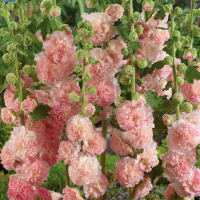
Althaea officinalis, commonly known as Common Marshmallow, is a versatile perennial valued for its medicinal properties and beautiful flowers. Native to marshy areas, this plant thrives in moist conditions and is often grown for its edible roots and leaves.
Everything it needs
9 essentials at a glance
Watering
Althaea officinalis prefers consistently moist soil, especially during its active growing season in spring and summer.
Water the plant deeply once a week, ensuring the top inch of soil remains moist but not soggy. In the fall and winter, reduce watering to every two weeks, allowing the soil to dry slightly between waterings. Signs of over-watering include yellowing leaves and root rot, while under-watering may cause wilting and browning leaf edges.
Light
This plant thrives in full sun to partial shade, ideally receiving 6-8 hours of sunlight daily.
It prefers a location with morning sun and afternoon shade, particularly in hotter climates. While it can tolerate some shade, too little light may result in leggy growth and fewer flowers.
Soil
Althaea officinalis prefers rich, well-draining soil with a pH range of 6.0 to 7.0.
A mix of loamy soil and organic matter, such as compost, is ideal for promoting healthy growth. Ensure good drainage to prevent root rot, as this plant does not tolerate standing water.
Humidity
This plant enjoys moderate humidity levels of around 40-60%.
To increase humidity, mist the leaves regularly or place a humidity tray filled with water and pebbles beneath the pot. Signs of low humidity stress include browning leaf tips and leaf drop.
Temperature
Althaea officinalis thrives in temperatures between 60-75°F (15-24°C).
It is hardy in zones 4-8 and can tolerate light frost. However, prolonged exposure to temperatures below 50°F (10°C) may hinder growth, while excessive heat above 85°F (29°C) can stress the plant.
Fertilizing
Use a balanced fertilizer with an NPK ratio of 10-10-10, applying it every 4-6 weeks during the growing season.
In fall, reduce fertilization as the plant enters dormancy. Signs of nutrient deficiency include stunted growth, yellowing leaves, and poor flowering.
Pruning
Prune Althaea officinalis in early spring before new growth begins.
Remove any dead or damaged stems and shape the plant to encourage bushier growth. Use clean, sharp pruning shears to avoid damaging the plant. Deadheading spent flowers can promote further blooming.
Repotting
Repot every 2-3 years or when the plant becomes root-bound, indicated by roots growing out of the drainage holes.
Choose a pot that is 1-2 inches larger in diameter. Carefully remove the plant from its current pot, loosen the roots, and place it in fresh potting mix, ensuring the crown is at soil level.
Propagation
Propagation can be achieved through seeds or division.
For seeds, sow them in spring after the last frost, planting them 1/4 inch deep in moist soil. Keep the soil consistently moist until germination occurs in 2-3 weeks. For division, dig up established plants in early spring or fall, ensuring each division has roots and shoots, and replant immediately.
When it's unhappy
Yellow leaves
Why it happens
This can be caused by over-watering or nutrient deficiency.
How to fix it
Check the soil moisture level and adjust watering accordingly. Consider fertilizing if nutrient deficiency is suspected.
Root rot
Why it happens
Over-watering and poor drainage can lead to root rot.
How to fix it
Ensure proper drainage and reduce watering frequency. If root rot is present, remove affected roots and repot in fresh soil.
Wilting leaves
Why it happens
Under-watering or extreme heat can cause wilting.
How to fix it
Increase watering frequency and provide shade during the hottest part of the day.
Powdery mildew
Why it happens
High humidity and poor air circulation can lead to powdery mildew.
How to fix it
Improve air circulation around the plant and apply fungicide if necessary.
Leggy growth
Why it happens
Insufficient light can cause the plant to stretch for sunlight.
How to fix it
Move the plant to a sunnier location to encourage bushier growth.
Care through the year
Spring
In spring, prune back any dead stems and begin regular watering as the plant comes out of dormancy. Fertilize with a balanced fertilizer to promote new growth.
Summer
During summer, ensure consistent moisture and provide some afternoon shade in extremely hot weather. Deadhead spent flowers to encourage more blooms.
Fall
In fall, reduce watering as the plant prepares for dormancy. You may also apply a light layer of mulch to protect the roots from frost.
Winter
In winter, keep the plant in a cool location and water sparingly. Protect it from extreme cold, especially in the colder hardiness zones.
Toxicity & Safety
Althaea officinalis is generally considered non-toxic to pets and children. However, ingestion of large quantities may cause mild gastrointestinal upset. It is always best to keep plants out of reach of curious pets and children.
Good to know
How often should I water my Althaea officinalis?
Water your Althaea officinalis deeply once a week during the growing season, allowing the top inch of soil to dry out between waterings.
What type of soil is best for Common Marshmallow?
Althaea officinalis thrives in rich, well-draining soil with a pH of 6.0 to 7.0. A mix of loamy soil and organic matter is ideal.
Can I grow Marshmallow in partial shade?
Yes, Althaea officinalis can grow in partial shade, but it prefers full sun for optimal growth and flowering.
What should I do if my Marshmallow plant has yellow leaves?
Yellow leaves may indicate over-watering or a nutrient deficiency. Check the soil moisture and adjust watering, and consider fertilizing if needed.
How can I propagate Althaea officinalis?
You can propagate Althaea officinalis by seeds or division. Sow seeds in spring or divide established plants in early spring or fall.
Is Common Marshmallow toxic to pets?
Althaea officinalis is generally non-toxic to pets and children, but ingestion of large amounts may cause mild gastrointestinal upset.
When is the best time to prune my Marshmallow plant?
Prune Althaea officinalis in early spring before new growth begins to remove dead or damaged stems and shape the plant.
Grows well with
Track this plant in your garden.
Set care reminders, log growth, and join a community of plant lovers.