Silver Buffaloberry
Shepherdia Argentea
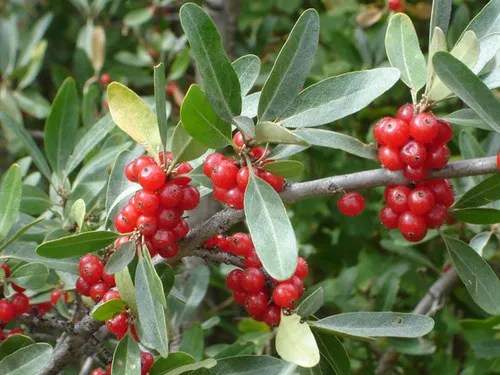
Medicinal Facts
Silver Buffaloberry, or Shepherdia argentea, is rich in carotenoids, flavonoids, and phenolic acids, most notably lycopene and quercetin. It stands at the intersection of traditional Native American medicinal practices, where it is used for skin and digestive issues, and modern research into its antioxidant and anti-inflammatory properties. The plant's berries are particularly noted for their high lycopene content, which is unusual for non-tomato sources and contributes to its potential health benefits. Its traditional uses are supported by emerging evidence of its bioactive compounds' roles in modulating oxidative stress and inflammation.
What it helps with
Cardiovascular health
Lycopene, a major carotenoid in Shepherdia argentea, modulates lipid profiles and reduces oxidative stress by scavenging free radicals. It inhibits LDL oxidation and may improve endothelial function by enhancing nitric oxide bioavailability. Human studies on lycopene-rich foods suggest cardiovascular benefits, although specific trials on buffaloberry are limited.
Skin health
Quercetin and other flavonoids in the berries exhibit anti-inflammatory and antioxidant properties by inhibiting NF-kB and COX-2 pathways. These effects can reduce UV-induced skin damage and promote wound healing. Traditional uses for skin conditions are supported by these molecular mechanisms, though direct clinical trials are sparse.
Digestive health
The phenolic acids in Silver Buffaloberry may enhance gut health by modulating gut microbiota and reducing intestinal inflammation. They inhibit pro-inflammatory cytokines like TNF-a and IL-6, potentially benefiting conditions like irritable bowel syndrome. Evidence is primarily from animal models and traditional use.
Antioxidant support
The high antioxidant capacity of Shepherdia argentea is attributed to its rich content of phenolic compounds and carotenoids, which activate Nrf2 pathways to upregulate endogenous antioxidant defenses like glutathione. This broad-spectrum antioxidant activity is well-documented in vitro.
Anti-inflammatory effects
Flavonoids such as quercetin inhibit the NF-kB pathway, reducing the expression of inflammatory mediators like IL-1b and TNF-a. This mechanism underlies its potential use in inflammatory conditions, supported by preclinical studies and traditional applications.
Longevity & cellular aging
Lycopene in the berries may influence longevity by modulating oxidative stress and enhancing telomere stability through its antioxidant properties. While direct evidence in humans is limited, related studies on lycopene suggest a role in reducing cellular aging markers.
Eye health
Carotenoids such as lycopene and zeaxanthin in Silver Buffaloberry may support eye health by protecting retinal cells from oxidative damage. They modulate oxidative pathways and reduce the risk of age-related macular degeneration, supported by evidence from carotenoid-rich diets.
Key active compounds
Lycopene
A potent carotenoid with strong antioxidant properties. It scavenges singlet oxygen and free radicals, contributing to cardiovascular and cellular health. Lycopene's bioavailability is enhanced when consumed with fats.
Quercetin
A flavonoid that inhibits NF-kB and COX-2, reducing inflammation. It also stabilizes mast cells and modulates immune responses, though its bioavailability is variable and often requires co-factors for optimal absorption.
Phenolic acids
Compounds like caffeic and ferulic acid with antioxidant and anti-inflammatory activities. They inhibit lipid peroxidation and modulate inflammatory cytokines, contributing to gut and systemic health.
Zeaxanthin
A carotenoid that accumulates in the retina, protecting against oxidative damage and blue light. It is crucial for eye health and is synergistic with other carotenoids like lutein.
Ascorbic acid
Vitamin C acts as a co-factor in collagen synthesis and a potent antioxidant. It regenerates other antioxidants like vitamin E, enhancing overall antioxidant capacity.
Beta-carotene
A precursor to vitamin A and an antioxidant. It modulates immune function and supports skin and eye health, with absorption enhanced by dietary fats.
What the research says
Research on Silver Buffaloberry focuses on its antioxidant and anti-inflammatory properties, primarily attributed to lycopene and quercetin. Human studies are limited, but preclinical data suggest potential benefits in cardiovascular and skin health through modulation of oxidative and inflammatory pathways. The strongest evidence comes from studies on lycopene's role in reducing oxidative stress and improving lipid profiles, though these are often extrapolated from other lycopene-rich foods. The main limitation is the lack of direct human clinical trials on buffaloberry itself, with most insights derived from its constituent compounds. Enhancing bioavailability through dietary strategies or formulation improvements remains a key area for future research.
Typical dosage
For tea or infusion, use 1-2 teaspoons of dried berries per cup of boiling water, steep for 10-15 minutes, and consume up to twice daily. For tinctures, a typical dose is 1-2 ml up to three times a day. Capsules containing powdered berries can be taken at a dose of 500 mg once or twice daily. Topical applications can be made by infusing the berries in oil and applying to the skin as needed. Always start with a lower dose to assess tolerance.
About Silver Buffaloberry
Traditional Use
Preparations & Dosage
Preparations
- Tea / Infusion: Use 1-2 teaspoons of dried berries per cup of boiling water. Steep the berries for 10-15 minutes, then strain before drinking. Add honey or lemon for taste, if desired.
- Tincture: Combine 1 part dried berries with 5 parts alcohol (such as vodka) in a glass jar. Seal and store in a cool, dark place for 4-6 weeks, shaking occasionally. Strain and store the liquid in a dark bottle.
- Topical application: Infuse dried berries in a carrier oil (such as olive or coconut oil) by gently heating for 2-3 hours. Strain and apply the oil to the skin as needed.
Interactions & Warnings
Use with caution
Shepherdia argentea should be used with caution as it may cause gastrointestinal upset in sensitive individuals. Pregnant or breastfeeding women should consult a healthcare provider before use. The plant contains saponins, which can be toxic in large amounts.
Herb Interactions
Both contain saponins, which can lead to gastrointestinal discomfort if consumed in large amounts.
Community Plants
Real plants of this species grown and shared by the MyFloralVault community.

More in Immune Support





Was this helpful?
0 · 0