Kamchatka Bilberry
Vaccinium Praestans

Medicinal Facts
Kamchatka Bilberry, or Vaccinium praestans, is rich in anthocyanins, particularly delphinidin and cyanidin glycosides, which are potent antioxidants. This plant sits at the intersection of traditional Siberian and Kamchatka Peninsula uses for eye health and modern research into vascular and metabolic health. Its unique profile of polyphenolic compounds also aligns with emerging studies on cognitive function and neuroprotection. The plant's traditional applications are complemented by scientific investigations into its effects on oxidative stress and inflammation.
What it helps with
Eye health & vision
Anthocyanins from Kamchatka Bilberry, notably delphinidin and cyanidin glycosides, are known to accumulate in ocular tissues, where they modulate visual pigments and improve microcirculation. They inhibit aldose reductase and reduce oxidative damage in retinal cells. Human trials have shown improvements in night vision and reduced visual fatigue.
Vascular health
Anthocyanins enhance endothelial function by upregulating endothelial nitric oxide synthase (eNOS), leading to improved vasodilation. They also inhibit platelet aggregation and reduce LDL oxidation, supporting cardiovascular health. Evidence from human studies suggests a role in reducing hypertension and improving blood flow.
Metabolic syndrome
The polyphenols in Kamchatka Bilberry, including quercetin, modulate glucose metabolism by activating AMP-activated protein kinase (AMPK) and enhancing insulin sensitivity. Animal studies indicate reduced blood glucose levels and improved lipid profiles, suggesting potential benefits in managing metabolic syndrome.
Cognitive function & neuroprotection
Anthocyanins cross the blood-brain barrier and exert neuroprotective effects by modulating neuroinflammation and reducing oxidative stress. They enhance brain-derived neurotrophic factor (BDNF) signaling, which supports synaptic plasticity and cognitive function. Preliminary human studies suggest improvements in memory and executive function.
Chronic inflammation
Delphinidin and cyanidin glycosides inhibit the NF-kB pathway, reducing the production of pro-inflammatory cytokines such as TNF-a and IL-6. This action is supported by both in vitro and animal studies, highlighting their potential in managing chronic inflammatory conditions.
Skin health
The antioxidant properties of anthocyanins protect skin cells from UV-induced damage by scavenging free radicals and reducing lipid peroxidation. They also promote collagen synthesis and inhibit matrix metalloproteinases, which are involved in skin aging. Evidence is primarily from in vitro studies.
Longevity & cellular aging
Anthocyanins may influence longevity by activating sirtuin pathways, including SIRT1, which are involved in cellular stress responses and mitochondrial function. This mechanism is complemented by their role in reducing telomere shortening, as observed in preclinical models.
Key active compounds
Delphinidin glycosides
These anthocyanins are potent antioxidants that scavenge free radicals and inhibit oxidative enzymes. They are crucial for the plant's vascular and neuroprotective effects.
Cyanidin glycosides
Similar to delphinidin, these compounds provide antioxidant and anti-inflammatory benefits. They are involved in modulating glucose metabolism and reducing oxidative stress.
Quercetin
A flavonol that modulates AMPK activity, enhancing insulin sensitivity and exerting anti-inflammatory effects. It also contributes to the plant's overall antioxidant capacity.
Chlorogenic acid
An ester of caffeic acid with antioxidant properties, it inhibits glucose absorption in the intestine, supporting metabolic health.
Catechins
These flavonoids have strong antioxidant activity and contribute to cardiovascular health by improving endothelial function.
Resveratrol
Though present in lower concentrations, resveratrol activates SIRT1 and has been linked to anti-aging effects, particularly in cellular models.
What the research says
Research on Kamchatka Bilberry focuses on its anthocyanins, with human studies primarily exploring eye health and vascular benefits. The strongest evidence is for its role in improving night vision and reducing hypertension, supported by randomized controlled trials. Preclinical studies emphasize its potential in metabolic health and neuroprotection, with animal models showing promising results in glucose regulation and cognitive enhancement. The main limitation is the bioavailability of anthocyanins, which is being addressed through formulation strategies such as encapsulation and co-administration with bioenhancers like piperine.
Typical dosage
For tea or infusion, use 1-2 teaspoons of dried berries per cup of boiling water, steep for 10-15 minutes, and consume up to 3 times daily. For tinctures, a typical dosage is 1-2 ml taken 2-3 times per day. Capsules and powders should be taken according to the manufacturer's instructions, generally 500-1000 mg per day. Always consult a healthcare provider for personalized advice.
About Kamchatka Bilberry
Traditional Use
Preparations & Dosage
Preparations
- Tea / Infusion: Boil water and pour over 1-2 teaspoons of dried Kamchatka Bilberry. Let it steep for 10-15 minutes. Strain and enjoy warm. Add honey or lemon for taste if desired.
- Tincture: Use a dropper to measure 1-2 ml of Kamchatka Bilberry tincture. Mix with a small amount of water or juice and consume up to 3 times daily.
- Capsule: Take 1-2 capsules of Kamchatka Bilberry extract daily with meals, following the dosage instructions on the product label.
Interactions & Warnings
Use with caution
Kamchatka Bilberry is generally safe for most people when consumed in typical dietary amounts. However, individuals with allergies to other berries or members of the Ericaceae family should exercise caution. Pregnant and breastfeeding women should consult a healthcare provider before use.
Herb Interactions
Both herbs may enhance blood circulation and antioxidant effects, which could lead to additive effects.
Community Plants
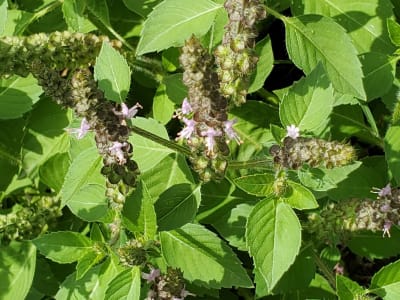
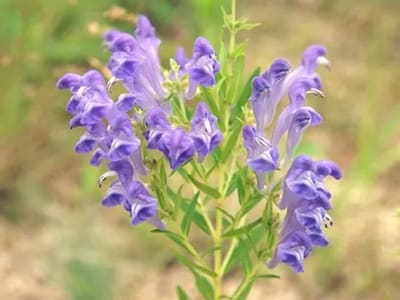
Real plants of this species grown and shared by the MyFloralVault community.

More in Immune Support





Was this helpful?
0 · 0