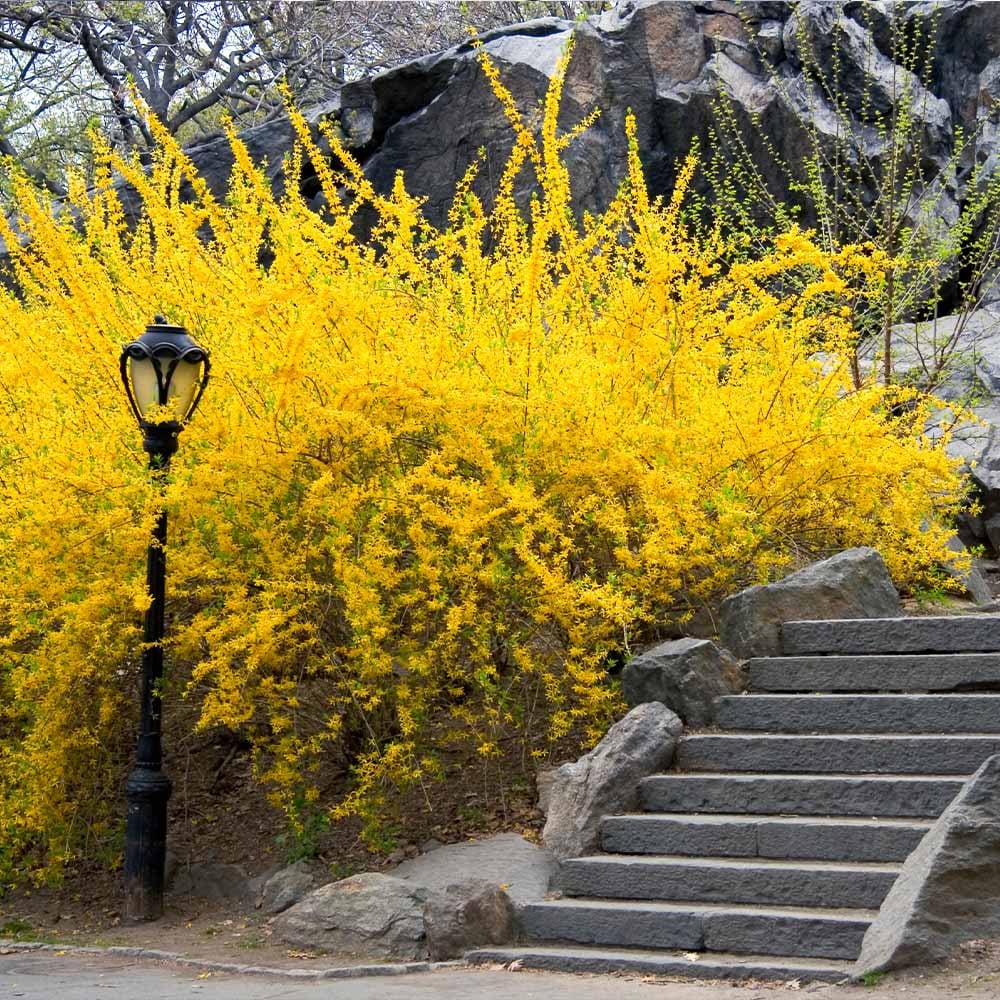
Weeping Forsythia
Forsythia Suspensa
Medicinal Facts
Forsythia suspensa, or weeping forsythia, is renowned for its lignans, particularly forsythiaside A, which confer potent anti-inflammatory and antimicrobial properties. This plant sits at the intersection of Traditional Chinese Medicine, where it is a key component of the formula Yin Qiao San for febrile illnesses, and modern pharmacological research exploring its role as a NF-kB inhibitor and antiviral agent. Its use is deeply rooted in traditional fever and infection protocols, while contemporary studies highlight its potential in modulating immune responses and oxidative stress.
What it helps with
Respiratory infections
Forsythiaside A exhibits antimicrobial activity against respiratory pathogens, including influenza virus and Streptococcus pneumoniae, by inhibiting viral neuraminidase and bacterial biofilm formation. It also modulates the NF-kB pathway, reducing pro-inflammatory cytokines like IL-6 and TNF-a. Evidence includes both traditional use in formulas like Yin Qiao San and modern in vitro studies.
Anti-inflammatory effects
Forsythiaside A and suspensaside modulate the NF-kB and MAPK pathways, reducing the expression of COX-2 and iNOS, which are key mediators of inflammation. Animal studies demonstrate reduced edema and inflammatory markers in models of arthritis and colitis, supporting its traditional use for inflammatory conditions.
Antiviral activity
Forsythia extracts have shown efficacy against viruses such as herpes simplex and influenza by inhibiting viral entry and replication. Forsythiaside A disrupts viral envelope integrity and modulates host cell signaling pathways. This is supported by preclinical studies and traditional usage in viral infections.
Skin health & wound healing
Forsythia's antimicrobial and anti-inflammatory properties, primarily from forsythiaside A, promote wound healing by enhancing collagen synthesis and reducing microbial load. Topical formulations are explored in traditional practices and supported by in vitro studies showing accelerated healing and reduced scarring.
Antioxidant defense
Forsythiaside A and phillyrin enhance the activity of antioxidant enzymes such as superoxide dismutase (SOD) and catalase, mitigating oxidative stress. This action is crucial in protecting cellular components from damage, as demonstrated in animal models of oxidative injury.
Immune modulation
Compounds like forsythiaside A modulate immune responses by influencing cytokine production and lymphocyte activity. They enhance macrophage phagocytic activity and regulate T-cell differentiation, as shown in both in vitro and animal studies, aligning with its traditional use in immune-supportive formulas.
Cardiovascular health
Forsythia extracts, particularly phillyrin, have been shown to reduce lipid peroxidation and improve endothelial function via upregulation of eNOS. Animal studies indicate potential benefits in atherosclerosis and hypertension models, though human data are limited.
Key active compounds
Forsythiaside A
A lignan glycoside with strong anti-inflammatory and antimicrobial properties. It inhibits NF-kB and MAPK pathways, reducing cytokine production and microbial virulence.
Phillyrin
A secoiridoid glycoside known for its antioxidant and lipid-lowering effects. It enhances the activity of antioxidant enzymes and modulates lipid metabolism.
Suspensaside
Another lignan with significant anti-inflammatory activity, acting through the inhibition of COX-2 and iNOS expression.
Rutin
A flavonoid with vascular protective effects, it stabilizes capillary permeability and exhibits antioxidant activity by scavenging free radicals.
Quercetin
A flavonoid that modulates inflammation and oxidative stress by inhibiting key enzymes like COX and lipoxygenase, and enhancing Nrf2 activity.
Hyperoside
A flavonoid glycoside with antioxidant and anti-inflammatory properties, it modulates cellular oxidative stress responses and cytokine production.
Forsythin
A phenolic compound contributing to the plant's antimicrobial and anti-inflammatory profile, with specific action against bacterial pathogens.
What the research says
Research on Forsythia suspensa is robust in preclinical models, particularly focusing on its anti-inflammatory and antiviral properties. Forsythiaside A is the most studied compound, with evidence from in vitro and animal studies supporting its role in modulating NF-kB and MAPK pathways. Phillyrin and other flavonoids contribute to its antioxidant and cardiovascular benefits, though human studies are sparse. The main limitation in translating these findings to clinical use is the bioavailability of its active compounds, which is being addressed through formulation strategies such as nanoparticle delivery systems and combination with bioavailability enhancers like piperine.
Typical dosage
For decoctions, use 6-15 grams of dried Forsythia suspensa fruit per day, boiled in water for 20-30 minutes. For tinctures, take 2-4 ml up to three times daily. Capsules and powders should be taken according to the manufacturer's instructions, typically ranging from 500-1000 mg per day. Topical applications should be used as directed for skin conditions.
About Weeping Forsythia
Traditional Use
Preparations & Dosage
Preparations
- Decoction: Combine 6-15 grams of dried Forsythia suspensa fruit with 500 ml of water. Bring to a boil, then simmer for 20-30 minutes. Strain and drink warm.
- Tincture: Use a standard tincture ratio of 1:5 (herb to alcohol). Soak the dried fruit in alcohol for 4-6 weeks, shaking occasionally. Strain and store in a dark bottle.
- Capsule: Encapsulate dried and powdered Forsythia suspensa fruit. Take according to dosage guidelines, typically 500-1000 mg per day.
Interactions & Warnings
Use with caution
Forsythia suspensa should be used with caution, especially in individuals with known allergies to plants in the Oleaceae family. Pregnant and breastfeeding women should consult a healthcare provider before use. It may interact with certain medications, particularly those affecting the immune system.
Herb Interactions
May enhance immune-stimulating effects, potentially leading to overstimulation of the immune system.
Community Plants
Real plants of this species grown and shared by the MyFloralVault community.

More in Immune Support



Was this helpful?
0 · 0