weeping forsythia
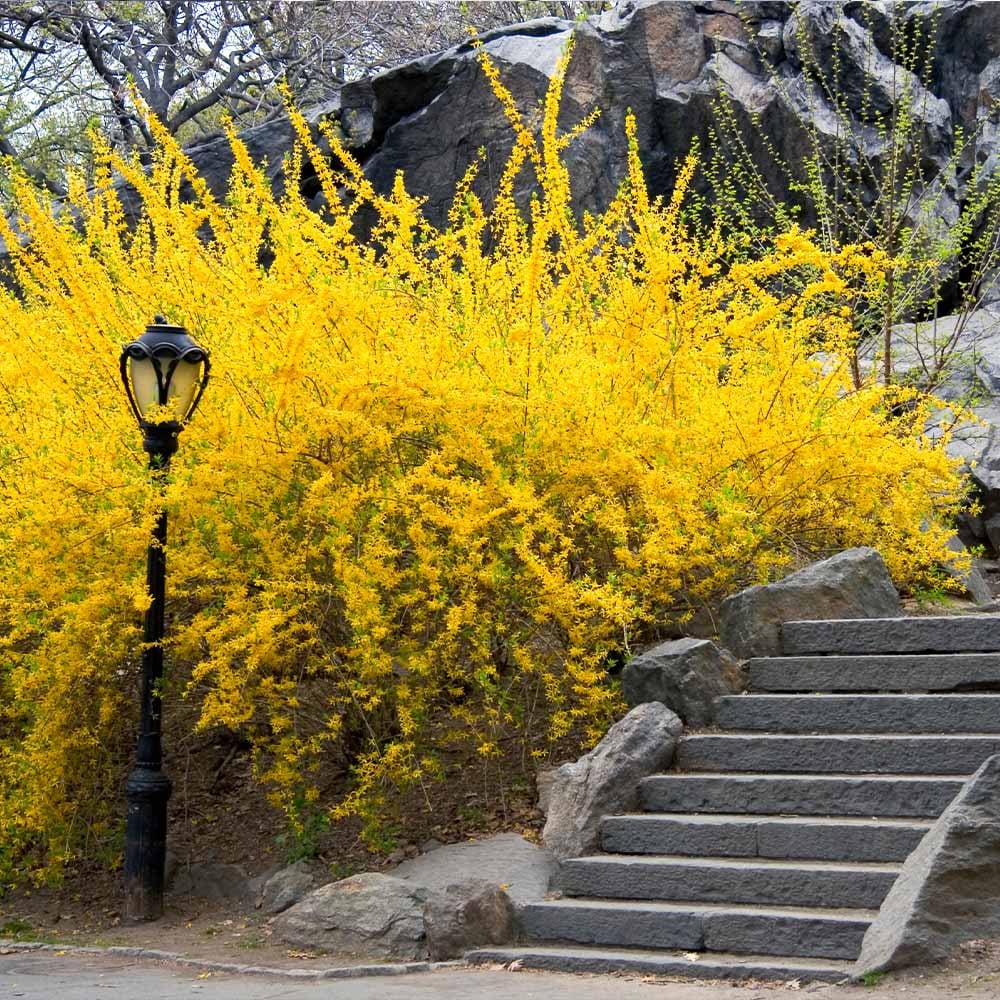
Description by @jominime
beloved for being among the first plants to flower after winter.
Forsythia was one of the herbal medicines successfully used during the original SARS epidemic. works against alpha, beta, and delta variants. also kills influenza A and B, RSV, the original SARS coronavirus, herpes simplex virus, and Coxsackievirus.
the Chinese patent medicine Lianhua Qingwen (containing forsythia) was widely used during the COVID-19 pandemic with multiple RCTs showing improved symptom resolution. good for COVID-19, influenza, RSV, common cold viruses, herpes simplex outbreaks, and viral respiratory infections in general.
blocks cytokine storm in severe viral infections, sepsis, and acute lung injury. good for severe sepsis, post-COVID cytokine storm, acute lung injury, severe viral infections, and inflammation-driven multi-organ damage.
phillyrin from forsythia kills colorectal, liver, lung, breast, gastric, cervical, and leukemia cancer cells. triggers cancer cell apoptosis, arrests their cell cycle, blocks angiogenesis (tumor blood supply), and prevents metastasis.
good for strep throat, tonsillitis, skin abscesses, urinary tract infections, gastroenteritis, and tooth decay (cavities) prevention.
phillyrin from forsythia improves insulin sensitivity, stimulates fat burning in the liver, lowers cholesterol and triglycerides, and reduces diet-induced obesity.
protects against Alzheimer's (reduces amyloid-beta toxicity), Parkinson's (protects dopaminergic neurons), and stroke (reduces ischemic brain damage). crosses the blood-brain barrier.
traditional TCM use for carbuncles, boils, swollen lymph nodes, mastitis, tonsillitis, and skin abscesses.
used in Japanese Kampo formulas for allergies. good for seasonal allergies, asthma, eczema, and chronic allergic conditions.
The leaves contain 40x more phillyrin than the fruit, so use as tea.
Related Plants
Plant information is for educational purposes only.