Wallich's Glorybower
Clerodendrum Wallichii

Medicinal Facts
Clerodendrum wallichii, or Wallich's Glorybower, is rich in iridoid glycosides, flavonoids, and phenolic acids, which collectively position it at the intersection of traditional Asian herbal medicine and emerging modern pharmacological research. Traditionally used in various Asian cultures for its anti-inflammatory and antimicrobial properties, it is now being studied for its potential effects on neurological health and metabolic regulation. The plant's bioactive compounds interact with multiple cellular pathways, including NF-kB and AMPK, offering a broad spectrum of therapeutic possibilities. Despite its traditional roots, much of the current research is focused on isolating specific compounds and understanding their mechanisms in controlled settings.
What it helps with
Inflammation & pain management
Iridoid glycosides from Clerodendrum wallichii inhibit the NF-kB pathway, reducing the production of pro-inflammatory cytokines like TNF-a and IL-6. This mechanism underlies its traditional use for pain and swelling, with preclinical studies supporting its efficacy in reducing inflammation.
Antimicrobial activity
The phenolic acids in Clerodendrum wallichii exhibit antimicrobial effects by disrupting bacterial cell walls and inhibiting bacterial enzymes. This action has been demonstrated in vitro against various pathogens, supporting its traditional use in treating infections.
Neurological health
Flavonoids in the plant may enhance neuroprotection by modulating the GABA-A receptor and reducing oxidative stress through Nrf2 activation. Animal studies suggest potential benefits in mitigating neurodegenerative conditions, although human trials are lacking.
Metabolic regulation
Iridoid glycosides activate AMPK, a key regulator of cellular energy homeostasis, which may improve insulin sensitivity and reduce hepatic glucose production. This mechanism is being explored in animal models of metabolic syndrome, with promising preliminary results.
Cardiovascular health
Clerodendrum wallichii compounds may support cardiovascular health by enhancing endothelial nitric oxide synthase (eNOS) activity, promoting vasodilation and reducing blood pressure. This effect has been observed in animal studies, aligning with traditional uses for heart health.
Antioxidant support
The plant's flavonoids and phenolic acids act as potent antioxidants, scavenging free radicals and upregulating endogenous antioxidant enzymes like superoxide dismutase (SOD). This activity is well-documented in vitro and contributes to its protective effects against oxidative stress.
Respiratory health
Traditionally used for respiratory conditions, Clerodendrum wallichii may exert bronchodilatory effects through modulation of calcium channels in smooth muscle. This mechanism is supported by animal studies, though clinical evidence is still emerging.
Digestive health
The plant's iridoid glycosides may enhance digestive health by modulating gut microbiota and reducing gastrointestinal inflammation. This is supported by traditional use and preliminary in vitro studies, although more research is needed to fully understand its effects.
Key active compounds
Iridoid glycosides
These compounds inhibit the NF-kB pathway, reducing inflammation and modulating immune responses. They are also involved in AMPK activation, which influences metabolic processes.
Flavonoids
Act as antioxidants and neuroprotective agents by modulating GABA-A receptors and activating Nrf2 pathways. They also enhance endothelial function through eNOS activation.
Phenolic acids
Exhibit antimicrobial properties by disrupting bacterial cell walls and inhibiting key bacterial enzymes. They also contribute to the plant's antioxidant capacity.
Triterpenoids
These compounds may contribute to anti-inflammatory effects by inhibiting cyclooxygenase enzymes (COX-1 and COX-2), although specific studies on Clerodendrum wallichii are limited.
Sterols
Plant sterols may support cardiovascular health by modulating cholesterol absorption and reducing LDL levels, though specific evidence in this plant is limited.
Essential oils
Contain bioactive components that may contribute to antimicrobial and anti-inflammatory effects, enhancing the overall therapeutic profile of the plant.
What the research says
Research on Clerodendrum wallichii is primarily focused on its anti-inflammatory and antimicrobial activities, with iridoid glycosides and phenolic acids showing the most promise in preclinical studies. These compounds have been extensively studied in vitro and in animal models, demonstrating significant potential for reducing inflammation and fighting infections. However, human clinical trials are sparse, and much of the evidence remains preliminary. The main limitation in translating these findings to clinical use is the bioavailability of the active compounds, which is currently being addressed through formulation strategies aimed at enhancing absorption and stability.
Typical dosage
For tea or infusion, use 1-2 teaspoons of dried leaves per cup of boiling water, steep for 10-15 minutes, and consume up to three times daily. For tinctures, a typical dosage is 1-2 ml taken up to three times a day. Decoctions can be made by simmering 1-2 tablespoons of the root in water for 20-30 minutes, consuming up to twice daily. Poultices can be applied externally as needed for topical relief.
About Wallich's Glorybower
Traditional Use
Preparations & Dosage
Preparations
- Tea / Infusion: Boil water and pour over 1-2 teaspoons of dried Clerodendrum Wallichii leaves. Let it steep for 10-15 minutes. Strain and serve warm. Honey or lemon can be added for flavor.
- Tincture: Combine 1 part dried plant material with 5 parts alcohol (such as vodka) in a jar. Seal and store in a cool, dark place for 4-6 weeks, shaking occasionally. Strain and store the liquid in a dark glass bottle.
- Decoction: Simmer 1-2 tablespoons of Clerodendrum Wallichii root in 2 cups of water for 20-30 minutes. Strain and drink warm.
- Poultice: Crush fresh leaves into a paste and apply directly to the affected area. Cover with a clean cloth and leave for 20-30 minutes.
Interactions & Warnings
Use with caution
Clerodendrum Wallichii should be used with caution as its effects are not extensively studied in humans. Pregnant or breastfeeding women and individuals with pre-existing health conditions should consult a healthcare provider before use.
Herb Interactions
May enhance immune-boosting effects, potentially leading to overstimulation of the immune system.
Community Plants
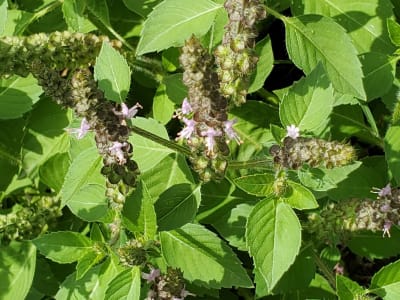
Real plants of this species grown and shared by the MyFloralVault community.

More in Immune Support





Was this helpful?
0 · 0