Spider Berry
Campanumoea Lancifolia
Medicinal Facts
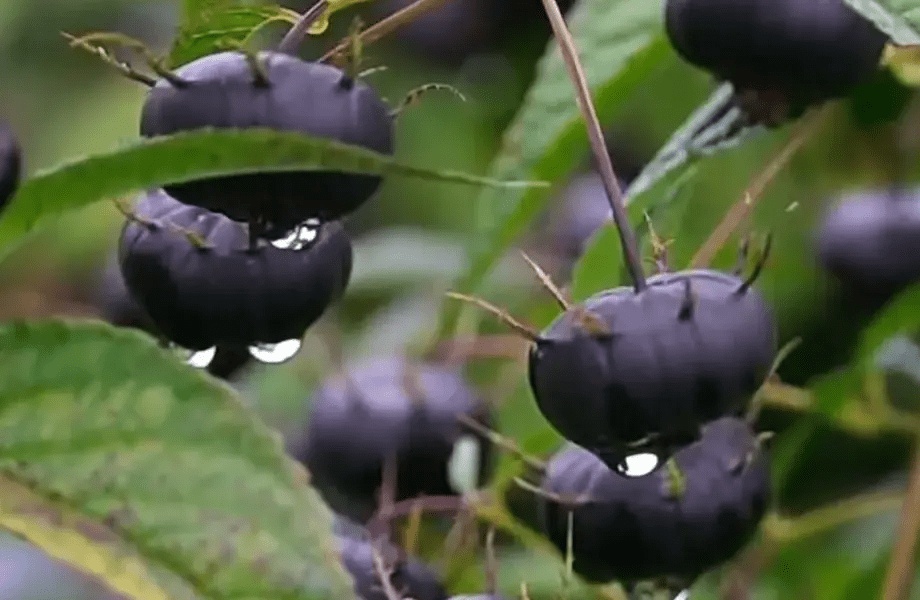
Campanumoea lancifolia, commonly known as Spider Berry, is a lesser-known member of the Campanulaceae family, prized for its saponins and flavonoids. It occupies a unique intersection between traditional Chinese medicine, where it is used for respiratory and digestive health, and emerging pharmacological research investigating its anti-inflammatory and antioxidant properties. The plant's bioactive compounds are being studied for their potential to modulate immune responses and protect against oxidative stress, although much of the research remains in the preclinical stage.
What it helps with
Respiratory health
Spider Berry is traditionally used for respiratory conditions such as coughs and bronchitis. Its saponins may enhance mucosal secretion and modulate inflammatory pathways, possibly involving NF-kB inhibition, although this is primarily supported by traditional use and animal models.
Digestive support
Flavonoids in Campanumoea lancifolia are thought to exert a protective effect on the gastrointestinal tract by stabilizing mast cells and reducing histamine release, which may ease symptoms of dyspepsia and gastritis. This is supported by limited in vitro studies that suggest a role in modulating gastric secretions.
Anti-inflammatory action
Saponins from Spider Berry may inhibit the NF-kB pathway, reducing the production of pro-inflammatory cytokines such as IL-1β and TNF-α. This mechanism has been observed in cell culture studies, suggesting potential benefits in inflammatory conditions, although human data are lacking.
Immune modulation
Preliminary research suggests that the polysaccharides in Campanumoea lancifolia can enhance macrophage activity and modulate cytokine production, potentially through TLR4 signaling pathways. This could support immune function, but evidence is primarily from animal studies.
Antioxidant defense
Flavonoids in the plant may upregulate the Nrf2 pathway, leading to increased expression of antioxidant enzymes such as superoxide dismutase and catalase. This mechanism, observed in vitro, suggests a protective role against oxidative stress.
Metabolic health
Compounds in Spider Berry may activate AMPK, a key regulator of energy homeostasis, which could improve lipid metabolism and insulin sensitivity. This effect has been noted in animal models, positioning the plant as a candidate for metabolic syndrome research.
Skin health
The anti-inflammatory and antioxidant properties of Spider Berry's flavonoids may support skin health by reducing oxidative damage and inflammation. This is supported by traditional use and some in vitro evidence, although clinical studies are needed to confirm efficacy.
Key active compounds
Saponins
These glycosides are known for their ability to modulate immune responses and inhibit inflammatory pathways, potentially through NF-kB inhibition. They also enhance mucosal secretions, relevant to respiratory health.
Flavonoids
These polyphenolic compounds can upregulate the Nrf2 pathway, enhancing cellular antioxidant defenses. They may also stabilize mast cells, reducing histamine release and supporting digestive health.
Polysaccharides
Complex carbohydrates that may enhance immune function by activating macrophages and modulating cytokine production, possibly through TLR4 signaling.
Phenolic acids
These compounds contribute to the plant's antioxidant activity by scavenging free radicals and may synergize with flavonoids to enhance overall efficacy.
Triterpenoids
These compounds are noted for their anti-inflammatory properties, potentially inhibiting COX-2 and other pro-inflammatory enzymes.
Alkaloids
Present in smaller quantities, these compounds may contribute to the plant's overall pharmacological profile, possibly affecting neurotransmitter pathways.
What the research says
Research on Campanumoea lancifolia is primarily preclinical, with most studies focusing on its saponins and flavonoids. These compounds show potential in modulating inflammatory and oxidative pathways, supported by in vitro and animal studies. The strongest evidence exists for its antioxidant and anti-inflammatory effects, although human trials are lacking. The main limitation in current research is the lack of bioavailability studies, which are crucial for understanding how these compounds behave in the human body. Future research should focus on clinical trials and bioavailability enhancement strategies to fully elucidate the plant's therapeutic potential.
Typical dosage
For tea or infusion, use 1-2 teaspoons of dried herb per cup of boiling water, steep for 10-15 minutes, and consume up to three times daily. For tinctures, a common dosage is 1-2 ml taken 2-3 times per day. Capsules or powders can be taken in doses of 500-1000 mg, up to three times daily. Always start with the lower end of the dosage range and adjust as needed, consulting a healthcare provider for personalized advice.
About Spider Berry
Traditional Use
Preparations & Dosage
Preparations
- Tea / Infusion: Use 1-2 teaspoons of dried Spider Berry leaves per cup of boiling water. Steep for 10-15 minutes, strain, and drink warm. Add honey or lemon for taste if desired.
- Tincture: Use a standard 1:5 ratio of dried herb to alcohol. Let the mixture sit for 4-6 weeks, shaking occasionally. Strain and store in a dark bottle.
- Capsule: Encapsulate 500 mg of powdered Spider Berry per capsule. Take with water.
- Decoction: Boil 1 tablespoon of dried root in 2 cups of water for 20-30 minutes. Strain and drink warm.
Interactions & Warnings
Use with caution
Campanumoea lancifolia should be used with caution, especially by pregnant or breastfeeding women, due to limited research on its safety in these groups. Individuals with allergies to the Campanulaceae family should avoid it. Always consult with a healthcare provider before starting any new herbal remedy.
Herb Interactions
May enhance adaptogenic effects, potentially leading to overstimulation or increased energy levels.
May enhance immune-boosting effects, beneficial for short-term use but could overstimulate the immune system if used long-term.
Community Plants
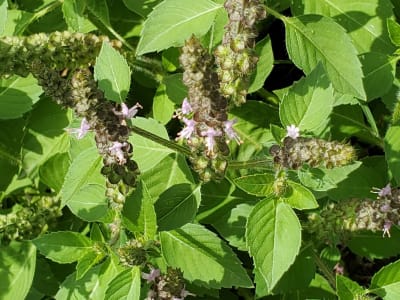
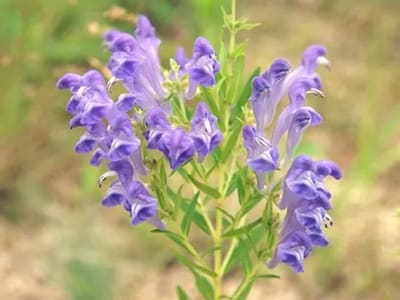
Real plants of this species grown and shared by the MyFloralVault community.

More in Immune Support





Was this helpful?
0 · 0
Care Guide Available
Learn how to grow and care for Spider Berry at home