Spider Berry
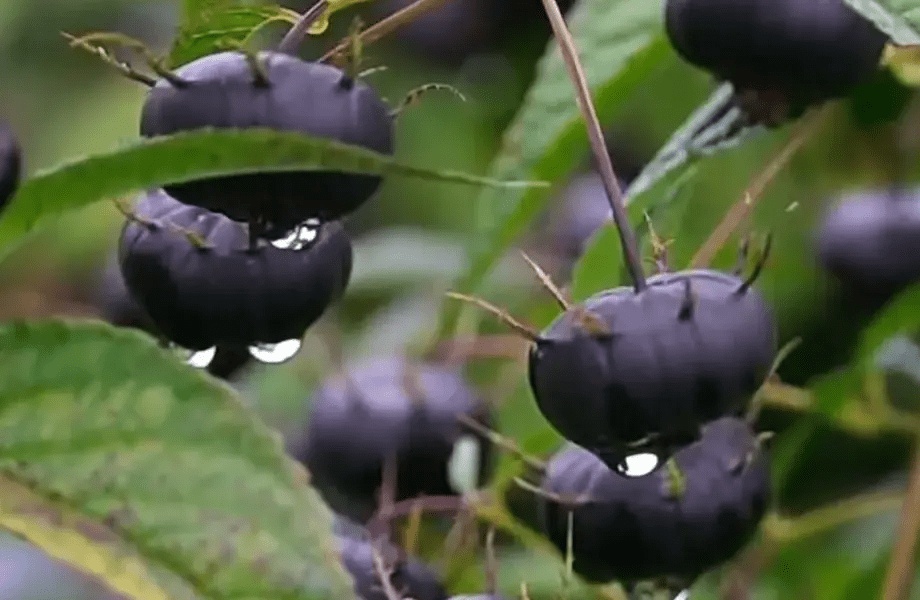
Description by @jominime
rich in anthocyanins, proanthocyanidins, and 17 amino acids.
Traditionally used in Chinese medicine, its medicinal properties include potent antioxidant, anti-inflammatory, antibacterial, and anti-HIV effects.
The fruit helps enhance blood circulation and improves the elasticity of blood vessels, assisting with hypertension and varicose veins.
It is used to nourish the spleen and stomach, promote digestion, reduce fatigue, and dissolve phlegm to relieve cough.
Both the fruit and the leaves are edible, with the fruit having a sweet-tangy flavor, sometimes compared to a mixture of lettuce and fig.
Phenolic Compounds: Chlorogenic acid, rutin, luteolin-7-O-glucoside, and apigenin.
Rich in minerals such as zinc, iron, manganese, potassium, and calcium.
polyphenol content (TPC) was highest in leaves (97.76 mg/g), followed by whole fruit (18.18 mg/g), fruit skin (26.16 mg/g), and fruit pulp (8.99 mg/g). Total anthocyanin content (TAC) in fruit skin was the highest at 27.44 mg/g, compared with leaves (20.18 mg/g), whole fruit (12.94 mg/g), and fruit pulp (4.36 mg/g).
brew the leaves for tea, fruits are a bonus.
Related Plants
Plant information is for educational purposes only.