MyFloralVault
by @jominime•28 plants
all the medicinal berries i have/want.
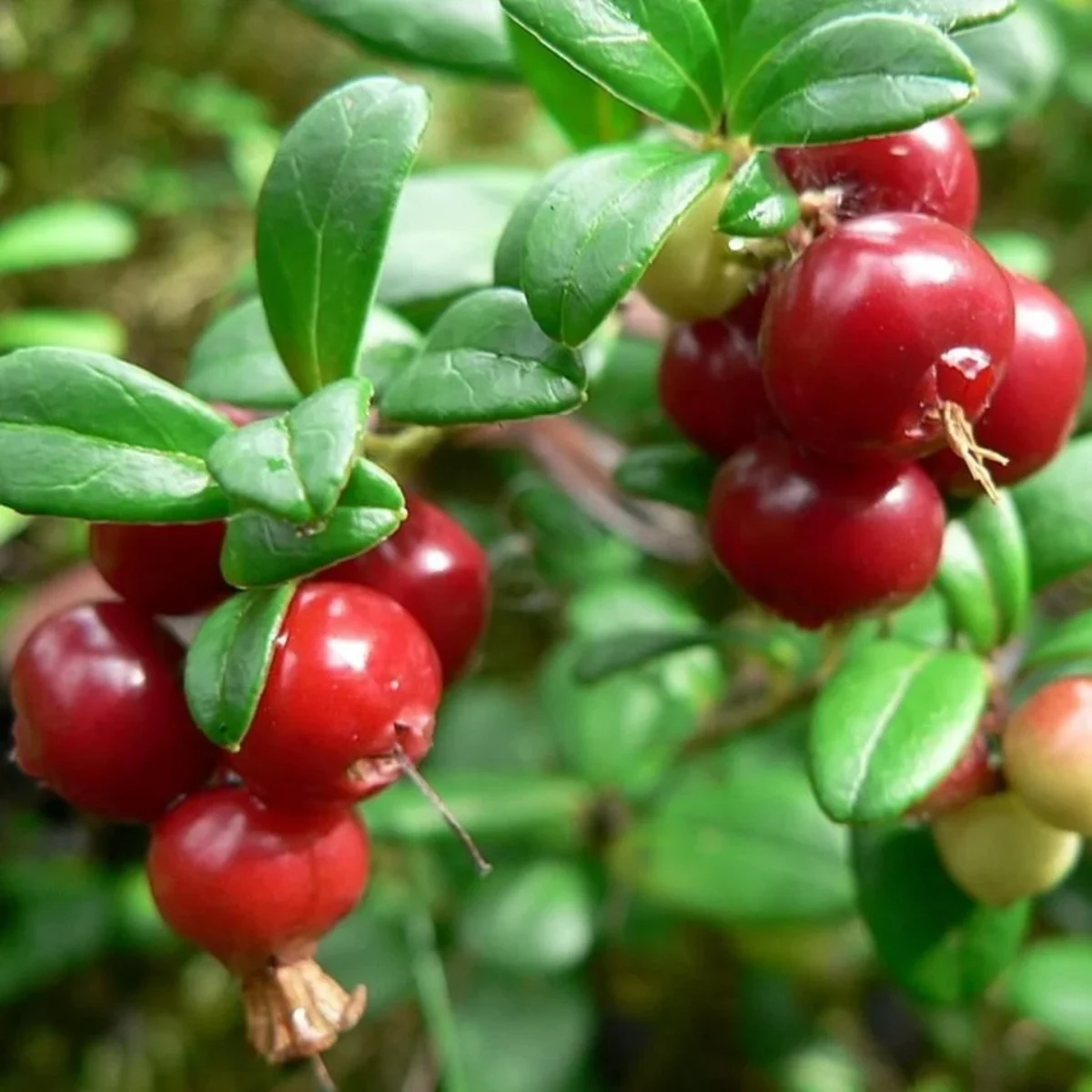
Vaccinium vitis-idaea
Aka: Cowberry exact same plant btw, so it's up to you whichever name you choose to call it. https://www.etsy.com/listing/1548387421/vaccinium-vitis-id
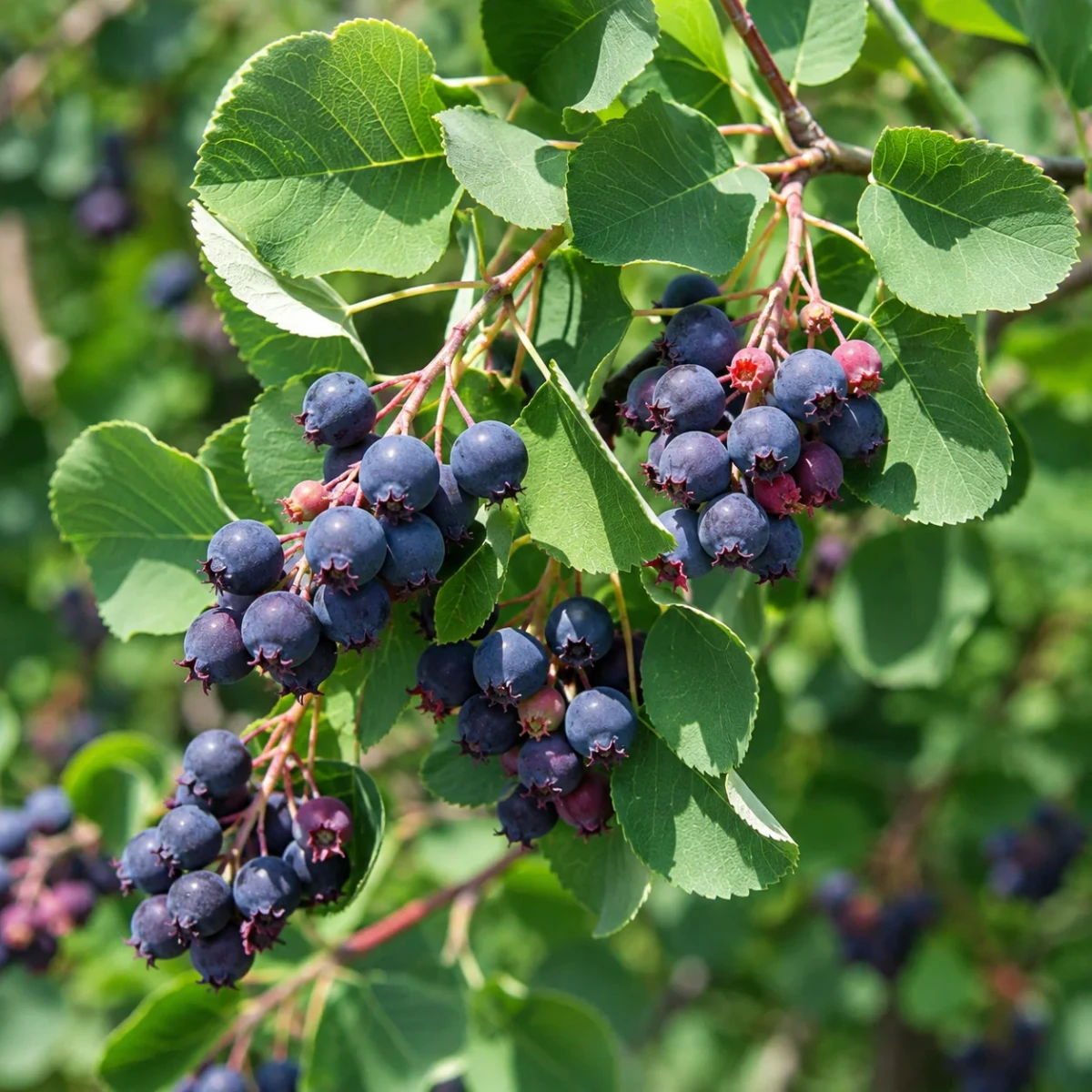
Amelanchier alnifolia
Crataegus monogyna
Hawthorn acts primarily as a heart tonic. It helps the heart muscle contract with more strength, widens blood vessels to improve blood flow, helps low
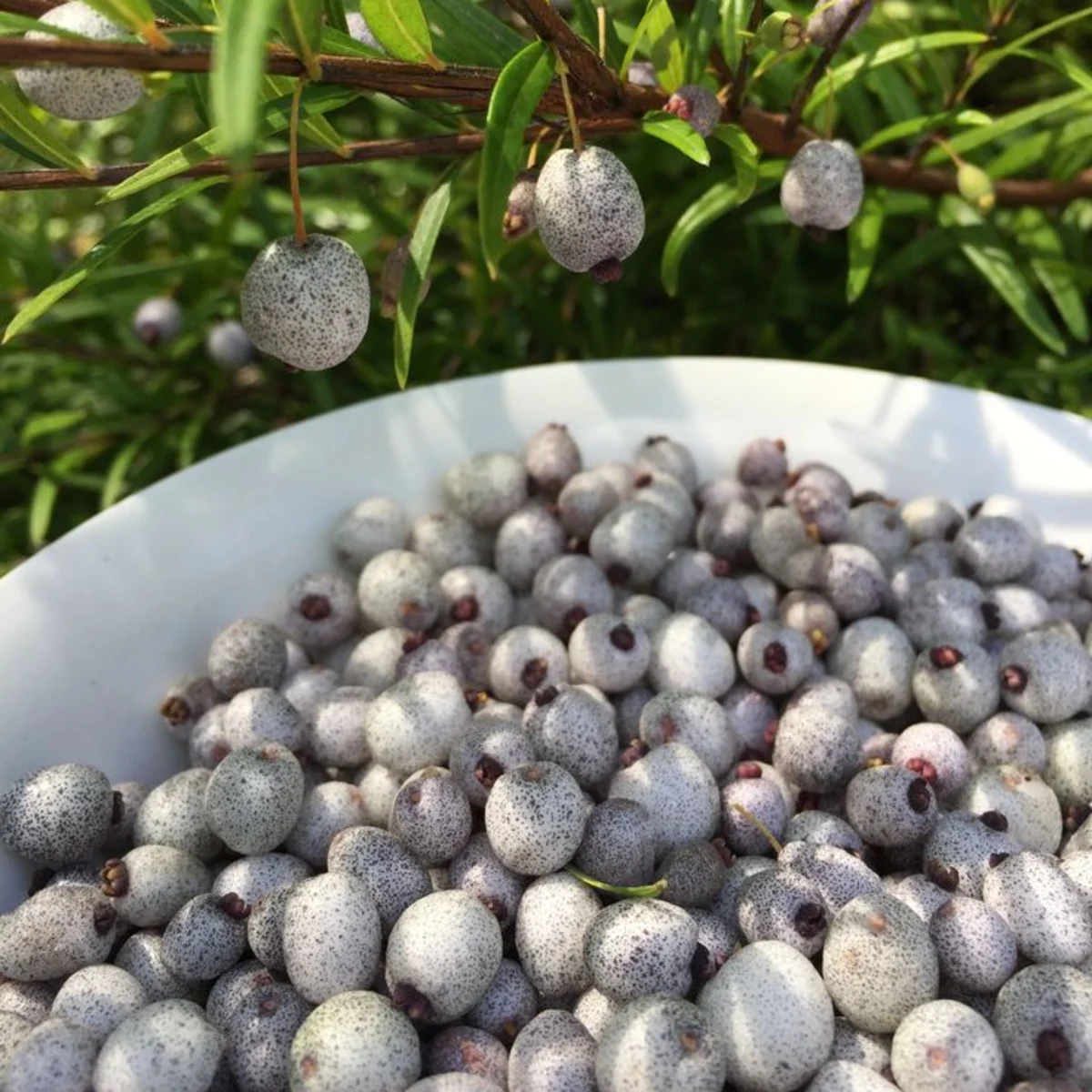
Austromyrtus dulcis
Austromyrtus tenuifolia and Austromyrtus dulcis are both native Australian shrubs in the myrtle family known for edible berries. A. dulcis (Midyim Ber
Vaccinium praestans
highly distinctive, strong odor resembling stink bugs. Health benefits similar to cranberries and bilberries. berry contains ascorbic acid at 70–100 m
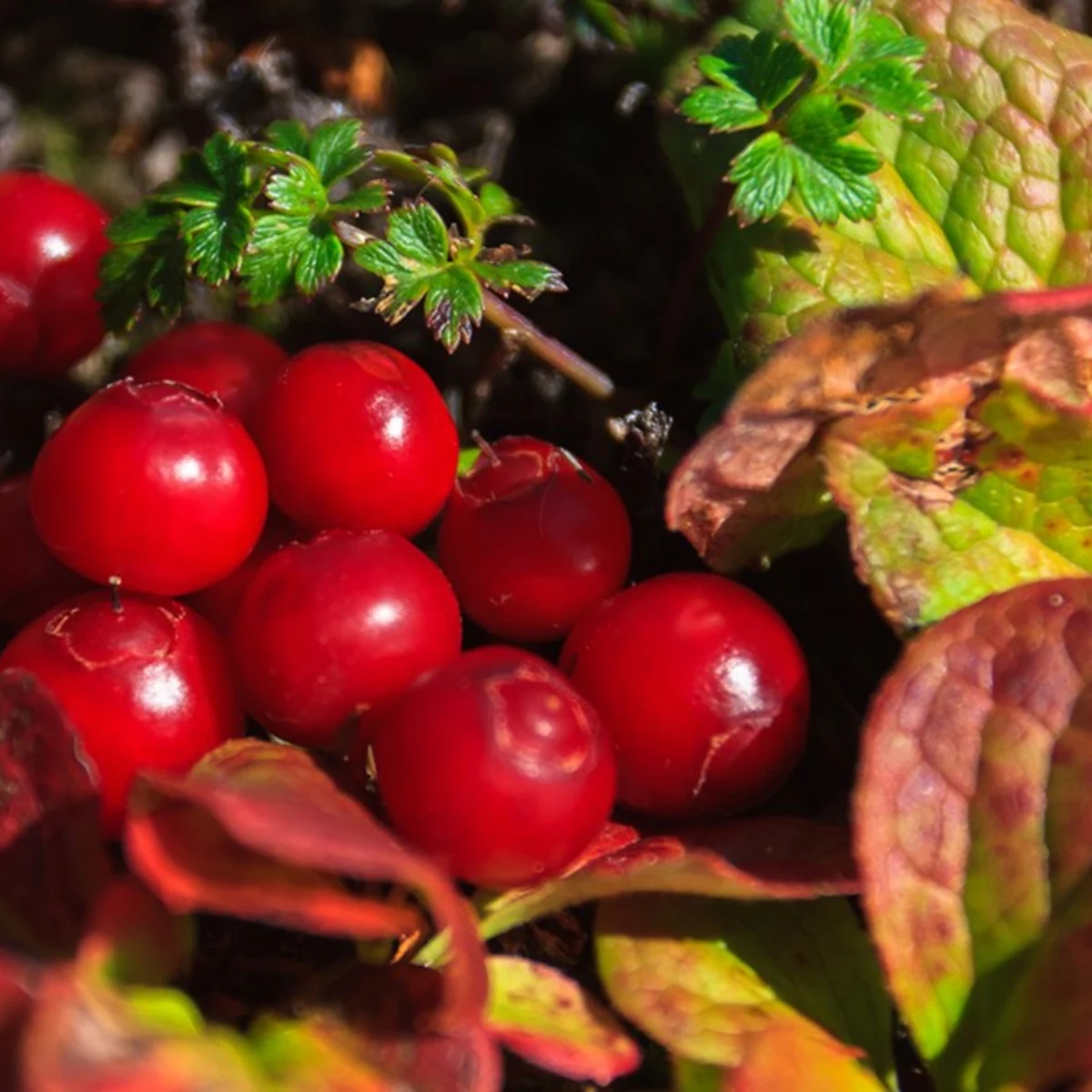
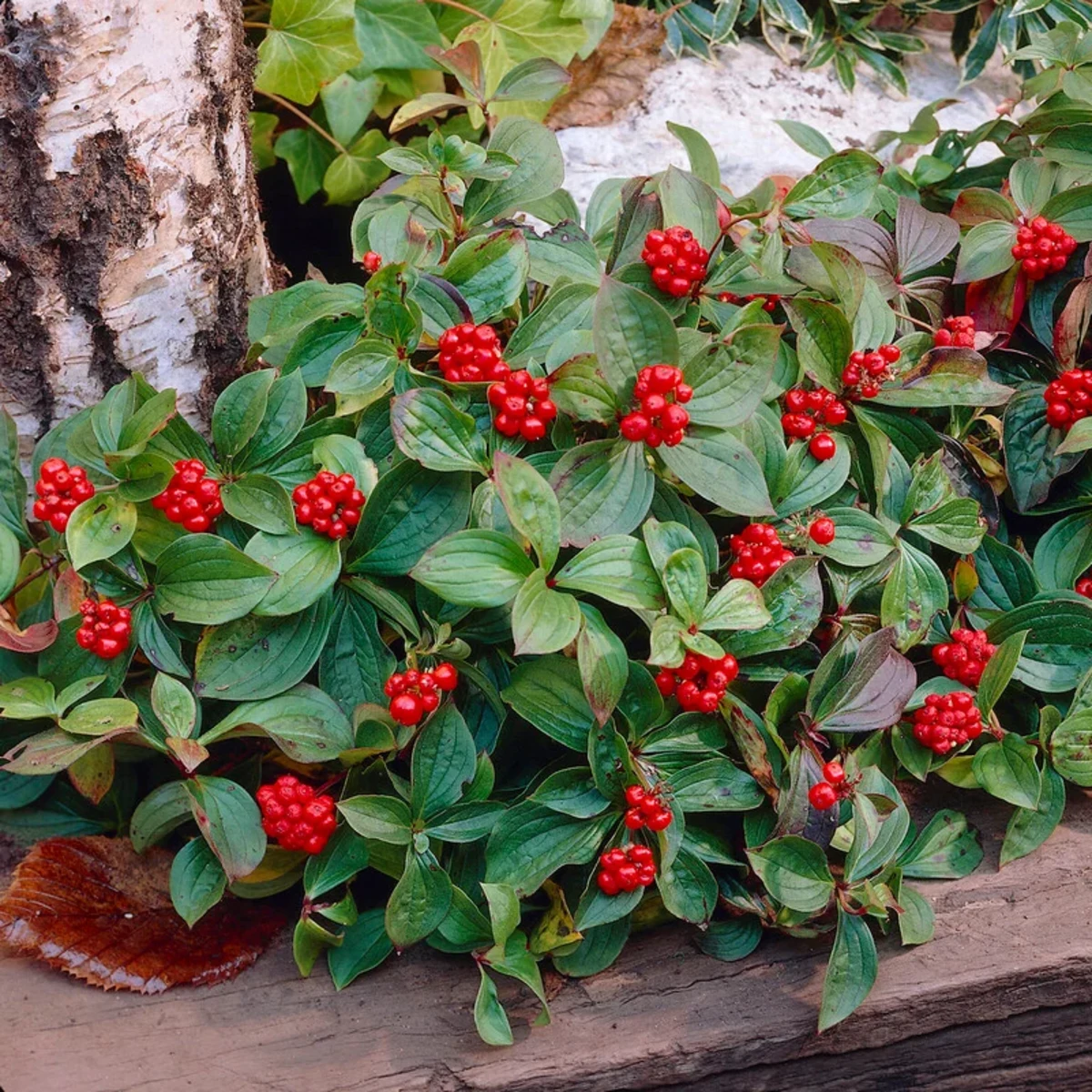
Cornus canadensis
https://www.etsy.com/listing/4498936852/bunchberry-cornus-canadensis-woodland the species produces one of the fastest movements in the plant kingdom —
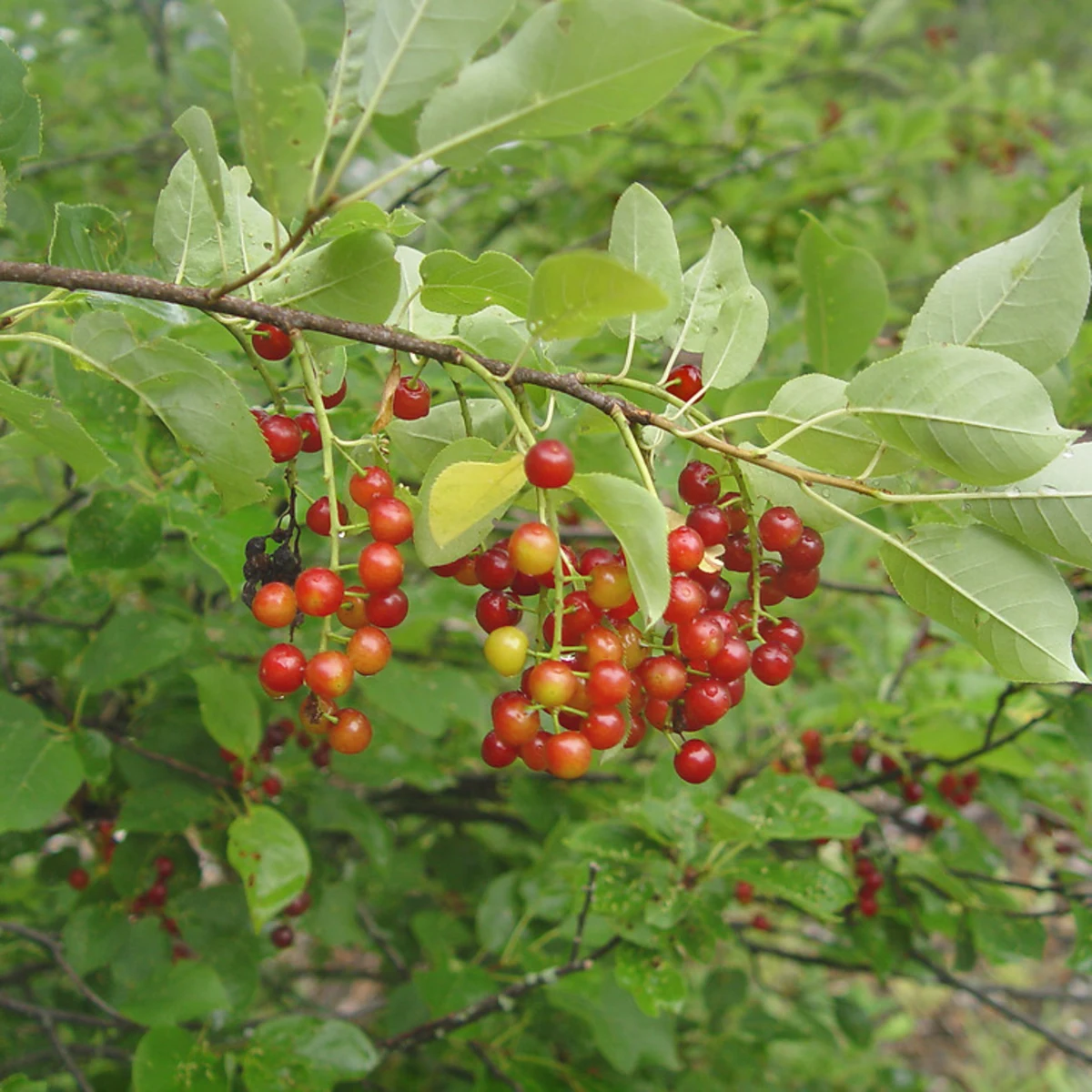
Prunus virginiana
fruit is only edible when ripe, and only after cooking/drying for medicinal quantities. the seeds, leaves, bark, stems, and wood ALL contain cyanide p
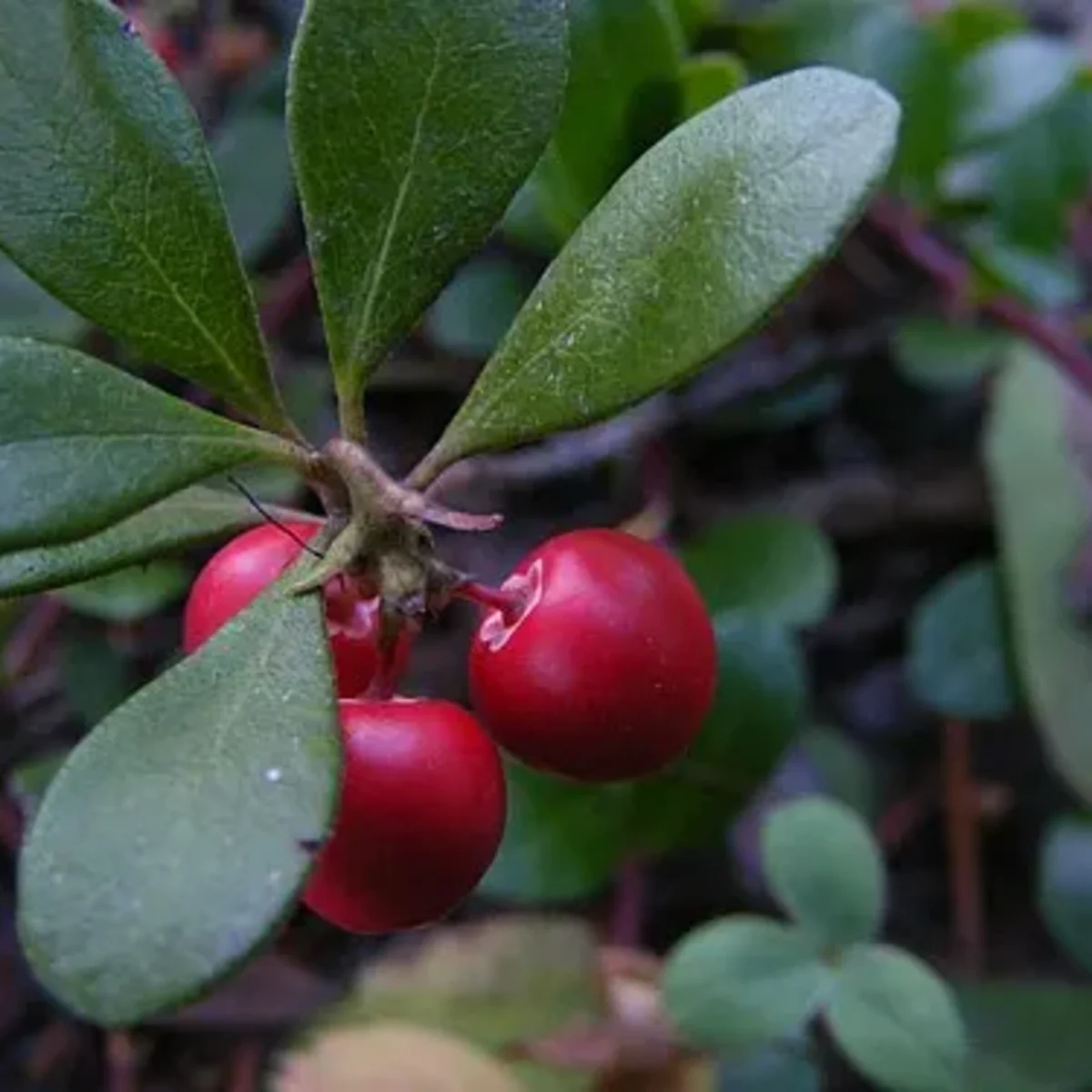
Arctostaphylos uva-ursi
produces clusters of small orange-red berries that bears are visibly fond of. the leaves are the medicinal part. leaves include arbutin at 5–15%, meth
Elaeagnus multiflora
one of very few fruiting plants that also fixes atmospheric nitrogen through root symbiosis with Frankia bacteria — making it an ideal orchard compani
Eleutherococcus senticosus
not a true ginseng and contains entirely different bioactive compounds. the European Medicines Agency recognized the root for traditional use in relie
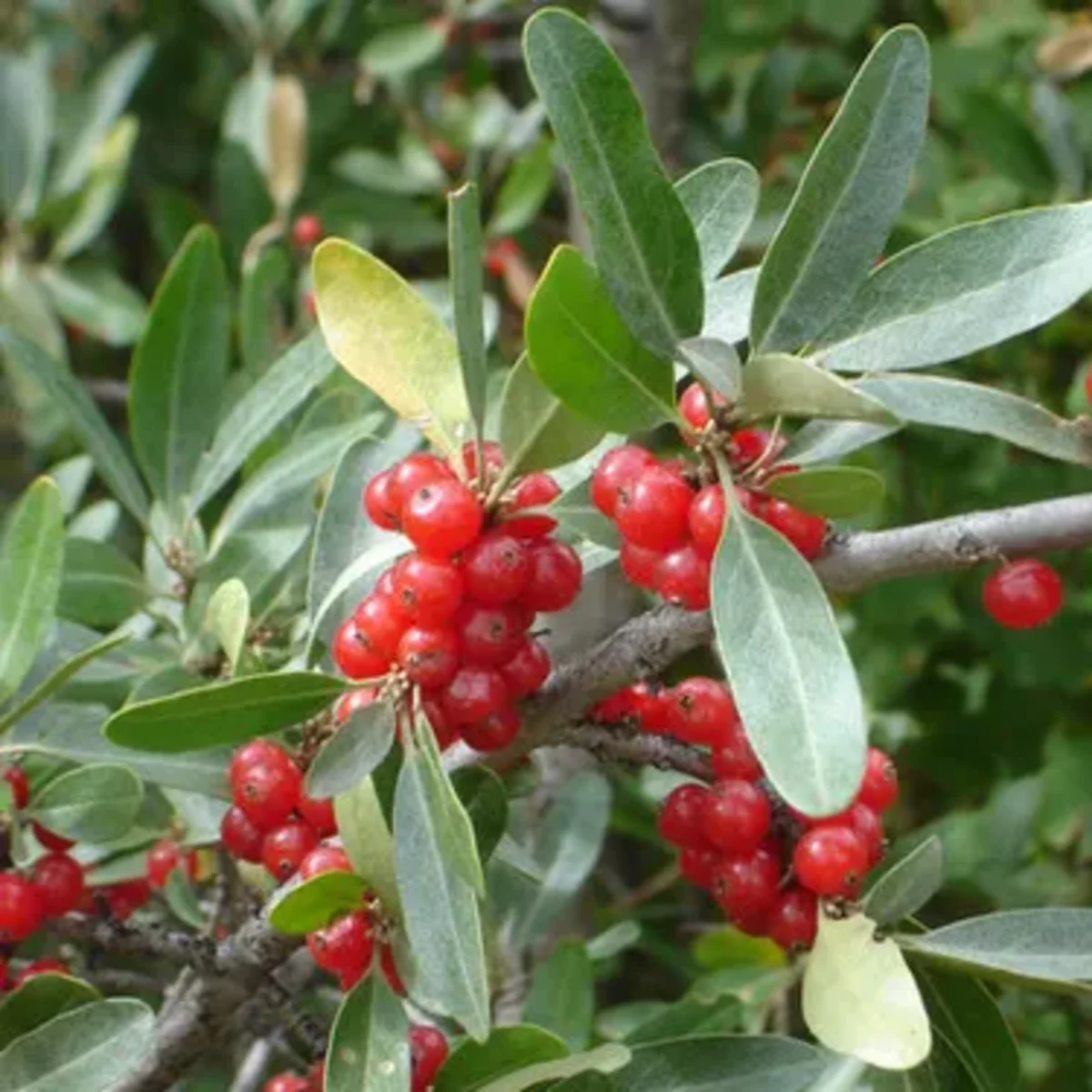
Shepherdia argentea
a tart prairie berry with lycopene levels matching tomatoes, vitamin C nearly double that of orange juice, and a documented mechanism for preventing d
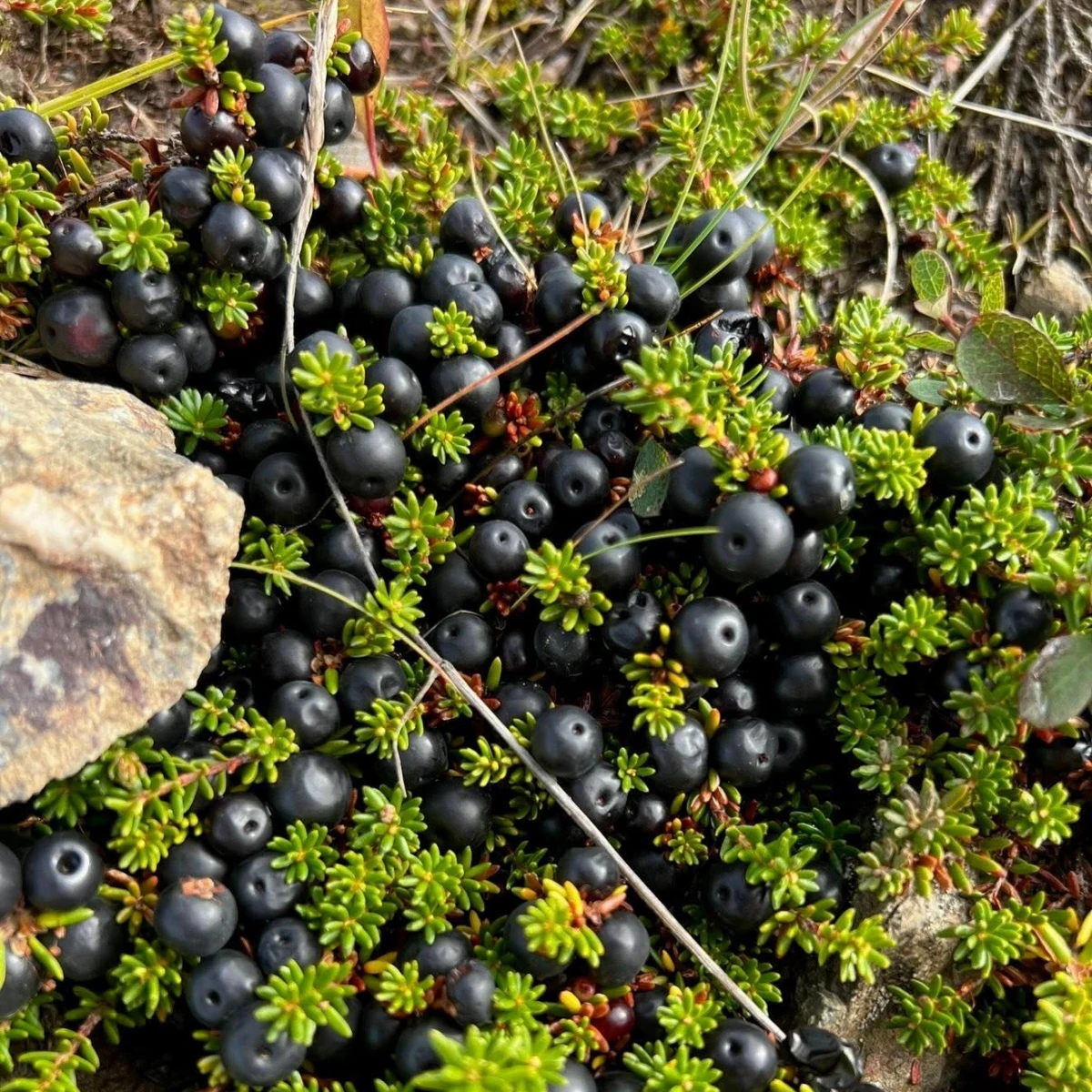
Empetrum nigrum
a small daily dose of the dried powder was clinically shown to lower cholesterol and triglycerides. it fights bacteria including TB strains, kills fun
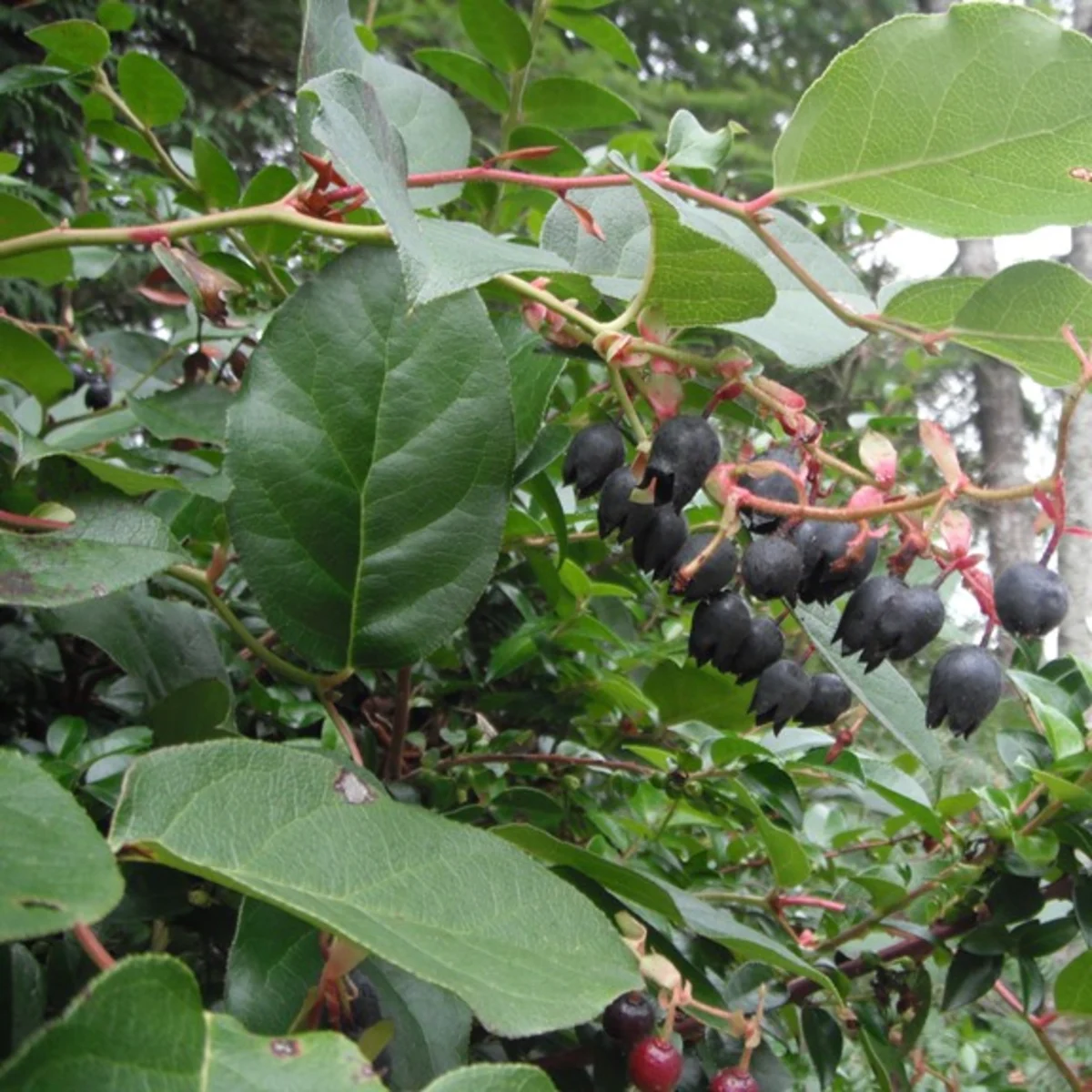
Gaultheria shallon
https://www.youtube.com/watch?v=rDEkFDaFIEI Proanthocyanidin concentrations in mature salal berries exceeded those reported for blueberry, lingonberry
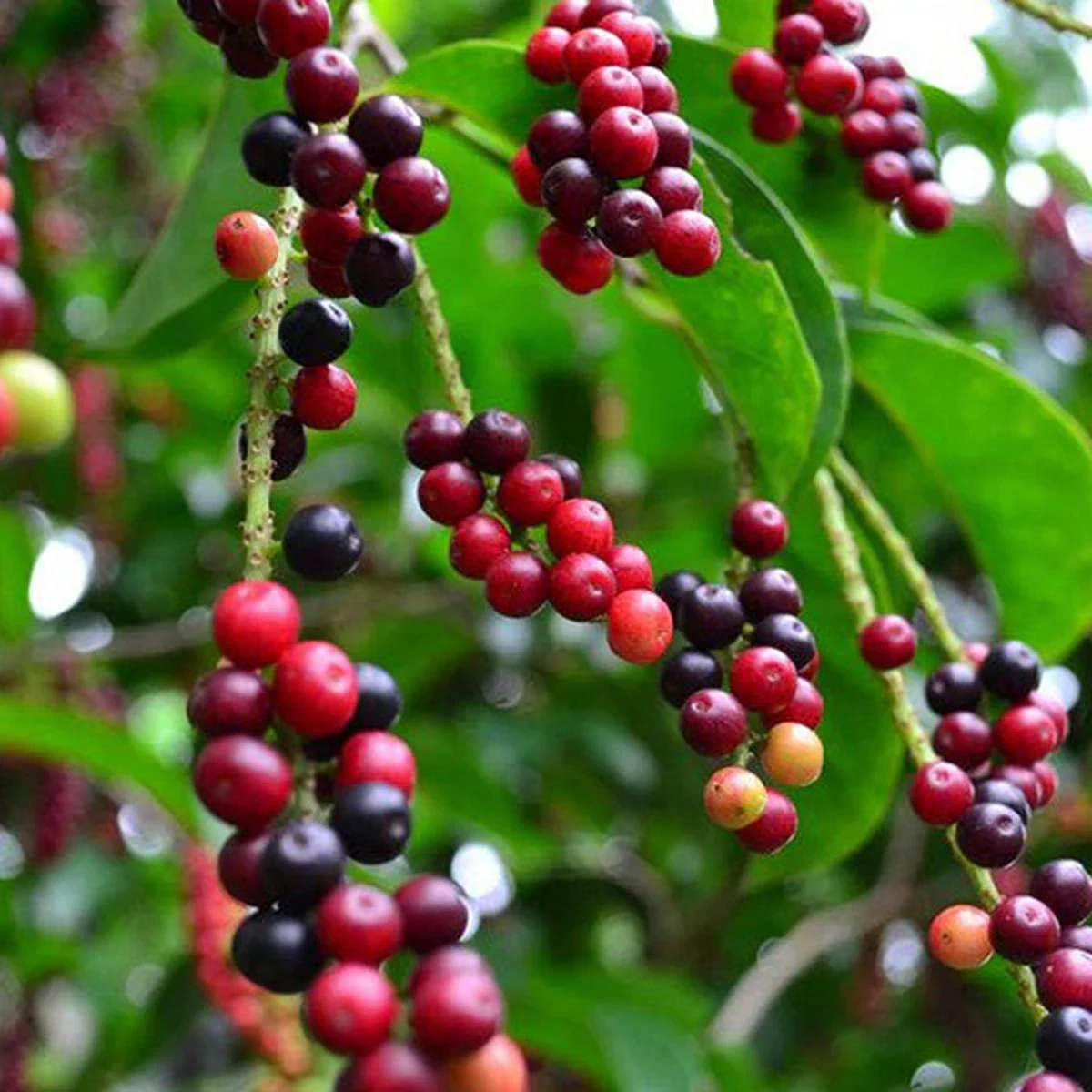
Antidesma bunius
male and female flowers grow on separate trees. The leaves have historically been applied to treat skin disorders, syphilis, and snakebites. Roots and
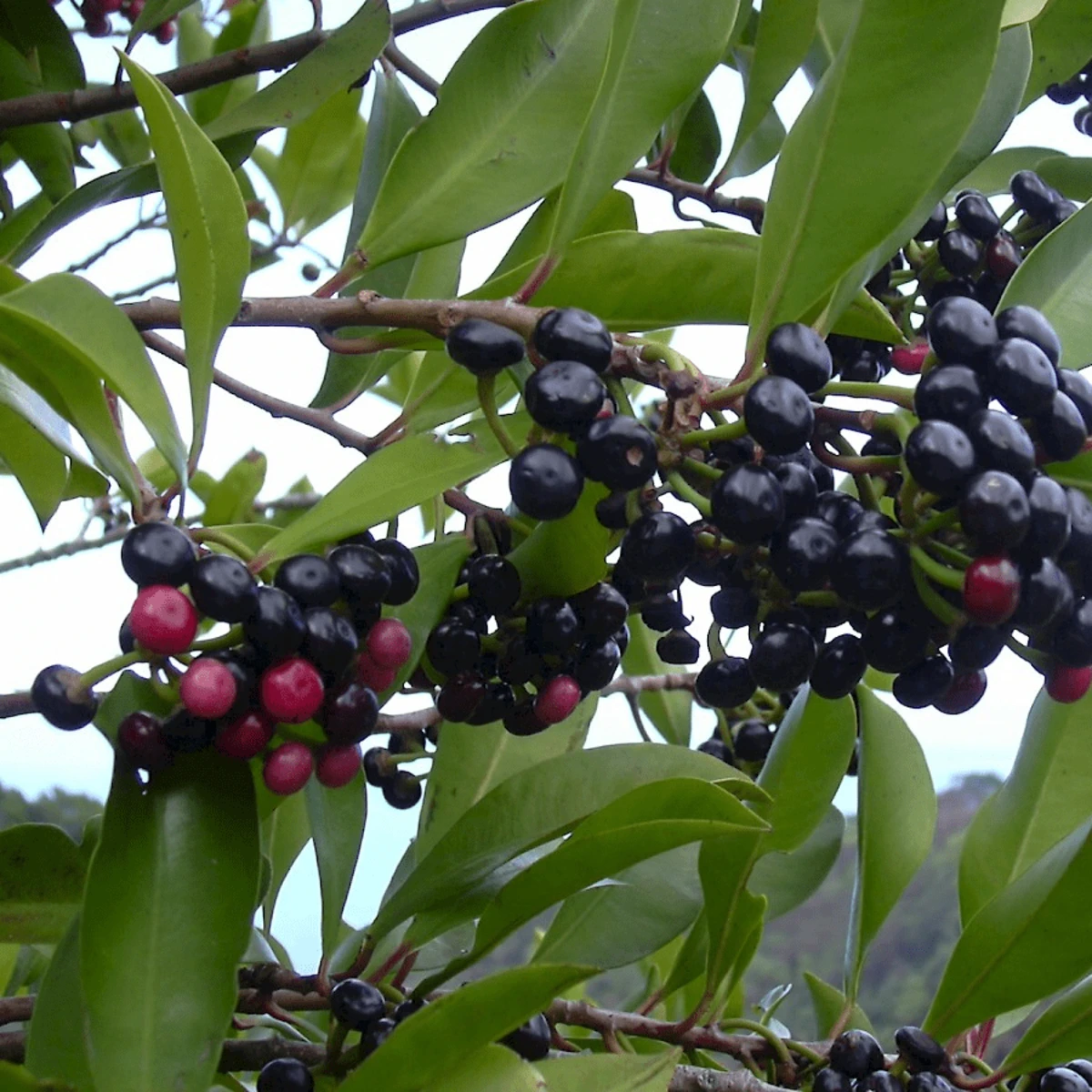
Ardisia elliptica
Used for relieving chest pains (sometimes known as "heartache leaf") and managing pain from traumatic injuries or broken bones. known for its medicina
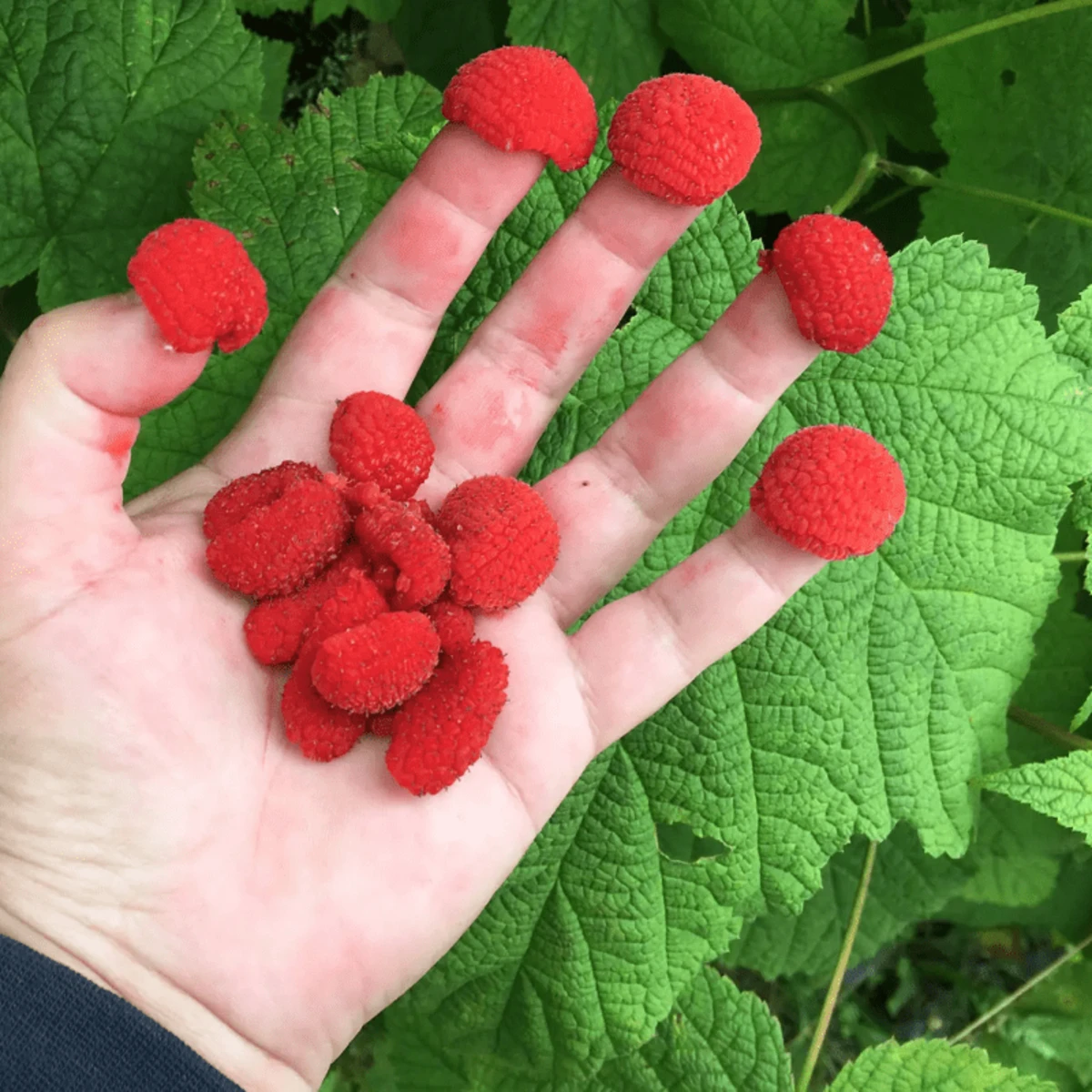
Rubus nutkanus
raspberry lookalike, except this is thornless and flatter. can strengthen the immune system, boost collagen production within the skin, and provide an
Rubus idaeus
Raspberry leaf tea is traditionally used to regulate menstrual cycles, reduce cramps, and strengthen the uterus, particularly in preparation for child
Schisandra chinensis
protects liver and lowers fatty acids in liver. effective against hepatitis, cirrhosis, and alzheimer’s. has the ability to block formation of excess
Mitchella repens
related to cranberries; it is also NOT a lingonberry. leaves can be used in tea. berries are eaten for childbirth, infertility problems & menstrual cr
Campanumoea lancifolia
红果参 rich in anthocyanins, proanthocyanidins, and 17 amino acids. Traditionally used in Chinese medicine, its medicinal properties include potent antio
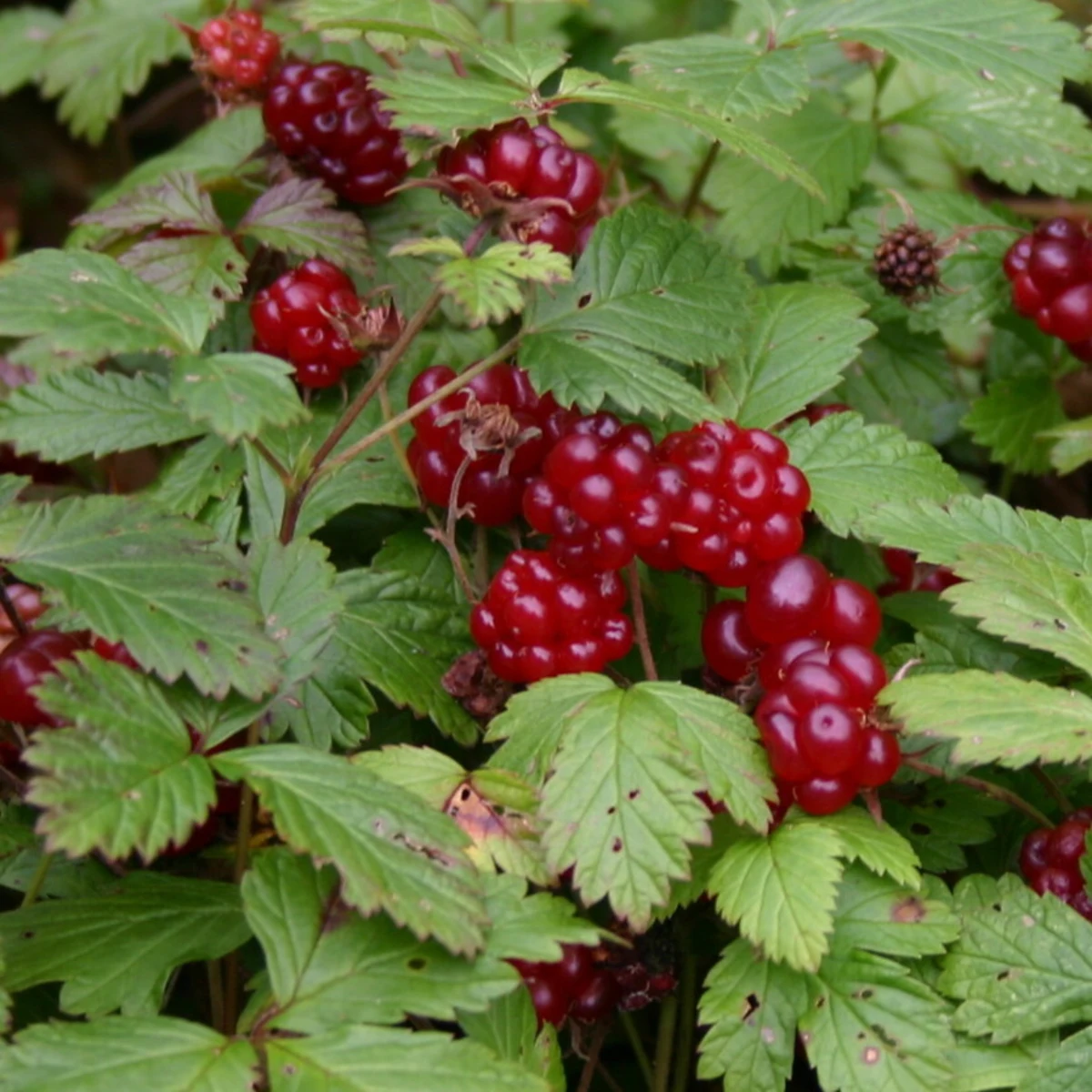
Rubus arcticus
Aka: Nagoonberry superior to most other berries in aroma and taste, with notes of pineapple, honey, and floral. a nutrient-dense, edible berry with si
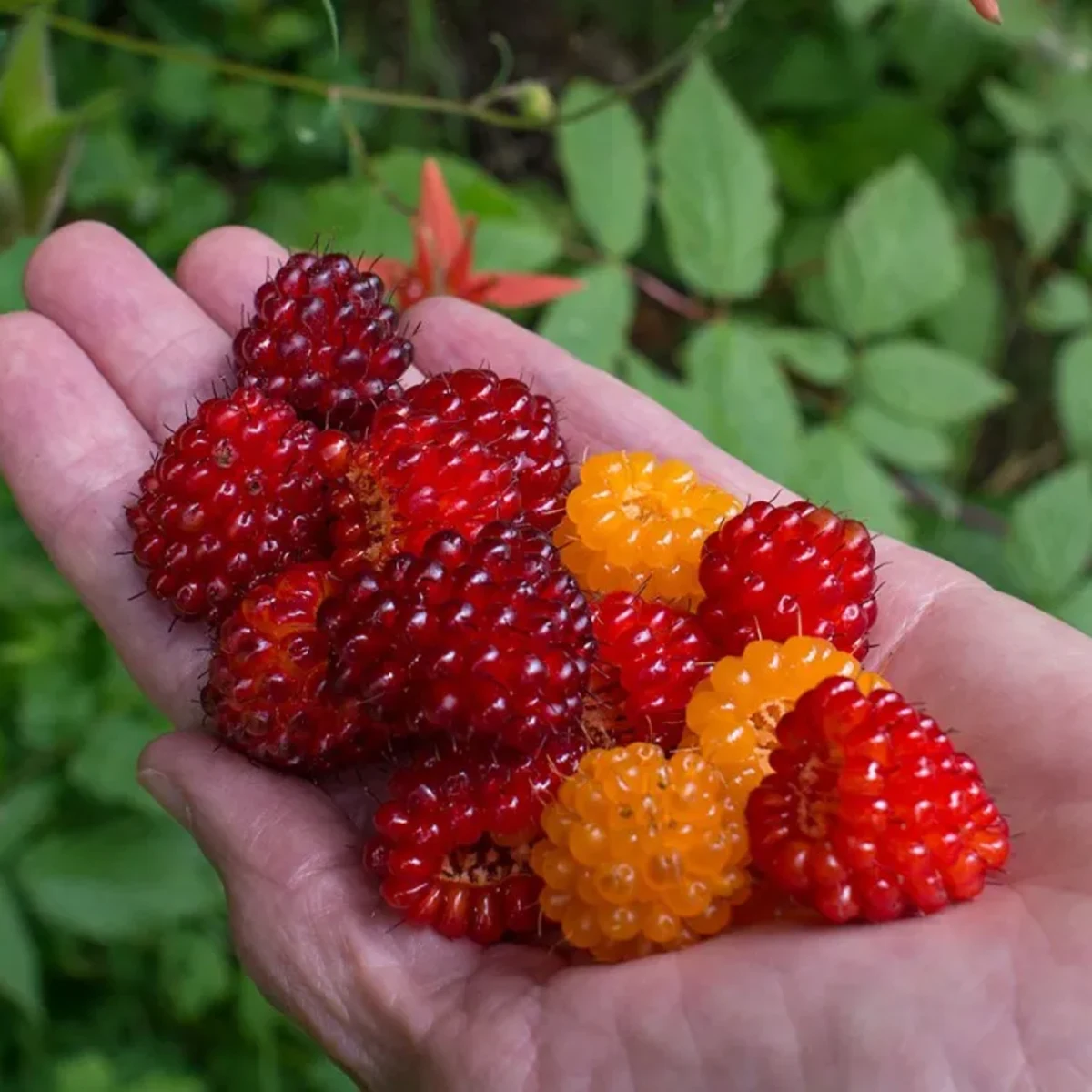
Rubus spectabilis
grows in moist coastal forests, stream sides, bogs, riparian zones, and undisturbed areas. the fruit, young peeled shoots, leaves and bark are used fo
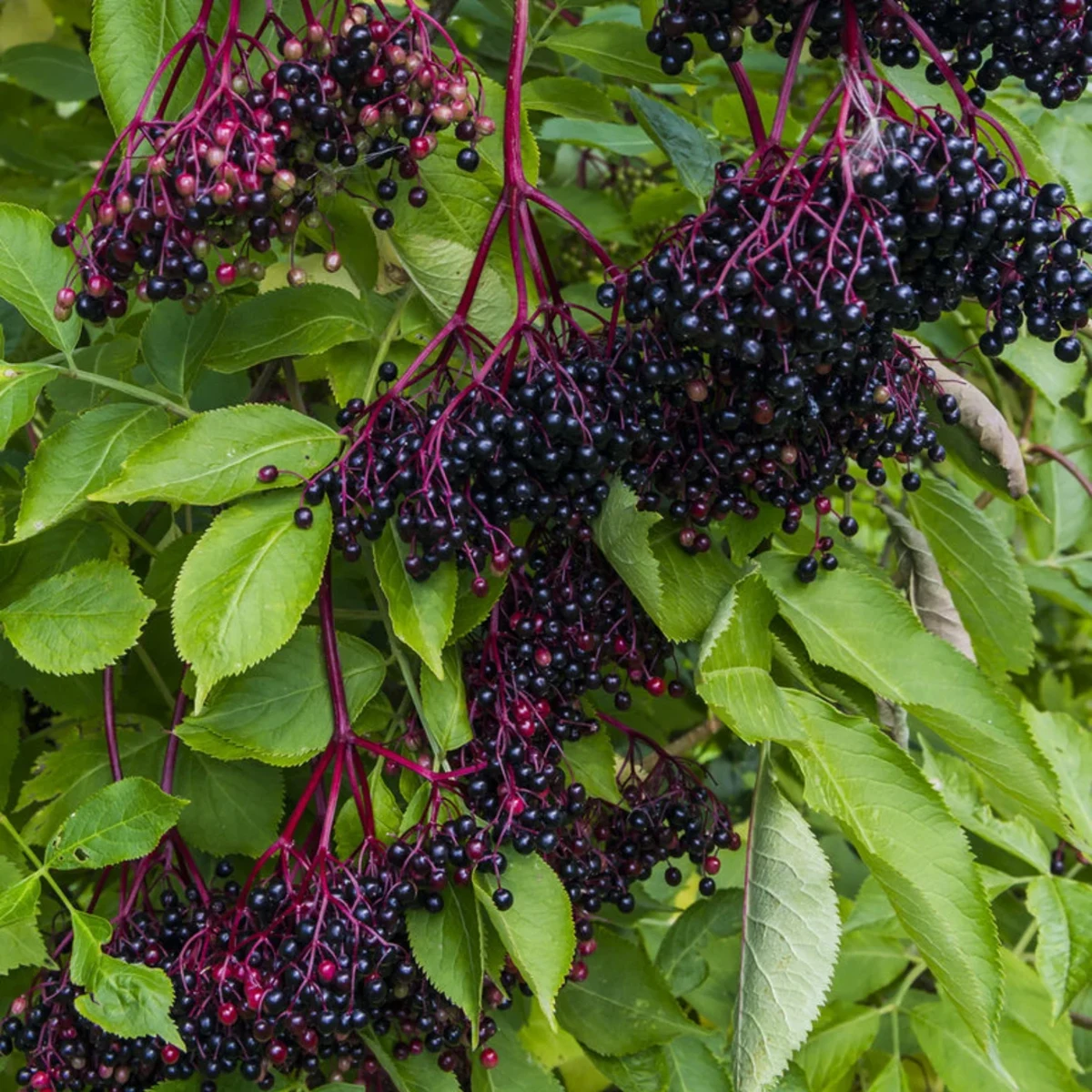
Sambucus nigra
Must be cooked! the berries, bark, and leaves are poisonous when ingested raw. easier to just buy or cook the syrup version. oh and just so we know, S
Synsepalum dulcificum
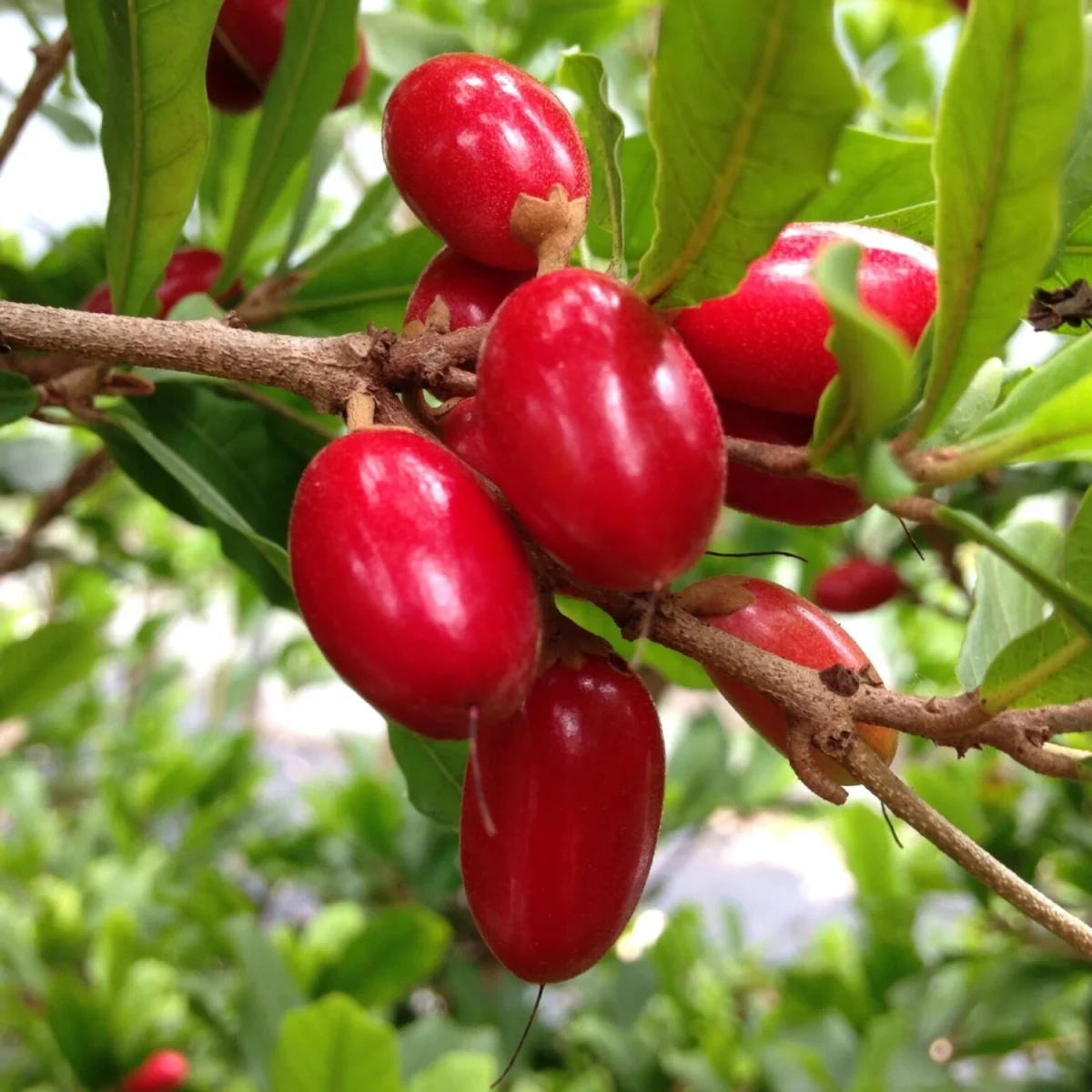
Miracle fruit (Synsepalum dulcificum) is a tropical plant whose red berries contain miraculin, a protein that temporarily makes sour foods taste sweet