Shoebutton
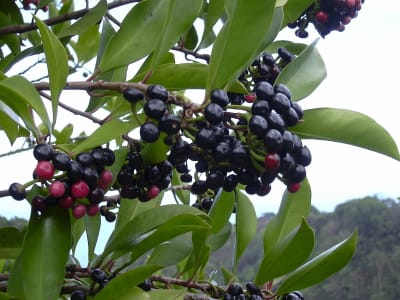
Ardisia Elliptica

Medicinal Facts
Ardisia elliptica, commonly known as Shoebutton, is rich in flavonoids and triterpenoids, with ardisiaquinone and ardisicrenoside being notable active compounds. This plant sits at the intersection of traditional Southeast Asian medicine, where it is used for its anti-inflammatory and antimicrobial properties, and modern pharmacological research, which investigates its potential in cancer adjunct therapy and metabolic regulation. Its diverse bioactive profile suggests a wide range of therapeutic applications, although clinical validation is still in its nascent stages.
What it helps with
Inflammatory conditions
Ardisia elliptica's flavonoid content, particularly quercetin, inhibits the NF-kB pathway, reducing the expression of pro-inflammatory cytokines such as TNF-a and IL-6. This mechanism has been supported by in vitro studies, showing potential for managing conditions like rheumatoid arthritis and inflammatory bowel disease.
Antimicrobial activity
The plant's triterpenoids, including ardisicrenoside, disrupt bacterial cell membranes and inhibit fungal growth by targeting ergosterol synthesis. This has been demonstrated in laboratory assays against pathogens like Staphylococcus aureus and Candida albicans, though human trials are lacking.
Cancer adjunct therapy
Ardisiaquinone has been shown to induce apoptosis in cancer cells by activating caspase pathways and inhibiting the PI3K/Akt signaling pathway. Preclinical studies suggest it may enhance the efficacy of conventional chemotherapy, but clinical evidence is still preliminary.
Metabolic regulation
Compounds such as quercetin and kaempferol in Ardisia elliptica activate AMPK, leading to improved glucose uptake and fatty acid oxidation. Animal studies indicate potential benefits in managing type 2 diabetes and obesity, although human data are needed.
Antioxidant support
The plant's high flavonoid content, including rutin and catechins, enhances the activity of antioxidant enzymes like superoxide dismutase (SOD) and catalase. This reduces oxidative stress markers, as evidenced in vitro and in animal models, suggesting a role in cardiovascular and neuroprotective health.
Skin health
Topical applications of Ardisia elliptica extracts have shown to promote collagen synthesis and inhibit MMP-1, an enzyme that degrades collagen, supporting its traditional use in wound healing and skin rejuvenation. Human studies are required to confirm these effects.
Gastrointestinal health
Ardisia elliptica's saponins and tannins are believed to exert protective effects on the gastric mucosa by enhancing mucin production and reducing gastric acid secretion. This traditional use is supported by animal studies, though clinical evidence is needed.
Key active compounds
Ardisiaquinone
A quinone compound that induces apoptosis in cancer cells by activating caspase pathways and inhibiting PI3K/Akt signaling, showing potential in cancer adjunct therapy.
Ardisicrenoside
A triterpenoid glycoside that exhibits antimicrobial properties by disrupting bacterial cell membranes and inhibiting fungal ergosterol synthesis.
Quercetin
A flavonoid that inhibits NF-kB, reducing inflammation, and activates AMPK, improving metabolic regulation. It also enhances antioxidant enzyme activity.
Kaempferol
A flavonoid that activates AMPK, promoting glucose uptake and fatty acid oxidation, with potential benefits in metabolic health.
Rutin
A flavonoid that enhances antioxidant defenses by increasing the activity of enzymes like superoxide dismutase and catalase, reducing oxidative stress.
Catechins
Polyphenolic compounds that contribute to antioxidant activity, protecting cells from oxidative damage and supporting cardiovascular health.
Saponins
Compounds that support gastrointestinal health by enhancing mucin production and reducing gastric acid secretion, traditionally used for stomach ailments.
What the research says
Research on Ardisia elliptica is primarily preclinical, focusing on its anti-inflammatory, antimicrobial, and anticancer properties. Ardisiaquinone and ardisicrenoside are the most studied compounds, with evidence from in vitro and animal studies supporting their roles in apoptosis and microbial inhibition. Flavonoids like quercetin and kaempferol show promise in metabolic regulation and antioxidant support, primarily in animal models. The main limitation is the lack of human clinical trials, which is critical for validating efficacy and safety. Efforts to improve bioavailability, such as using nanoformulations, are ongoing to enhance the therapeutic potential of its active compounds.
Typical dosage
For decoctions, use 5-10 grams of dried leaves or roots per cup of water, boiled for 10-15 minutes. Consume up to two cups daily. For tinctures, a standard dose is 2-4 ml, taken up to three times a day. Poultices can be applied directly to the skin as needed, but should not be used on open wounds without medical advice. Capsules, if available, should be taken according to the manufacturer's instructions.
About Shoebutton
Traditional Use
Preparations & Dosage
Preparations
- Decoction: Boil 5-10 grams of dried Ardisia elliptica leaves or roots in a cup of water for 10-15 minutes. Strain the liquid and drink warm. Add honey or lemon for flavor if desired.
- Poultice: Crush fresh leaves into a paste and apply directly to the affected skin area. Cover with a clean cloth and leave for 30 minutes. Rinse with warm water.
- Tincture: Use a tincture made from Ardisia elliptica by taking 2-4 ml diluted in water, up to three times daily.
Interactions & Warnings
Use with caution
Ardisia elliptica should be used with caution as its safety profile is not well-documented. Pregnant or breastfeeding women and individuals with pre-existing health conditions should consult a healthcare provider before use. It may cause allergic reactions in sensitive individuals.
Herb Interactions
Combined use may enhance antibacterial effects, potentially leading to an imbalance in gut flora.
Community Plants
Real plants of this species grown and shared by the MyFloralVault community.
More in Immune Support





Was this helpful?
0 · 0
Care guides for related plants
Care Guide Available
Learn how to grow and care for Shoebutton at home