Pink Trumpet Tree
Tabebuia Rosea
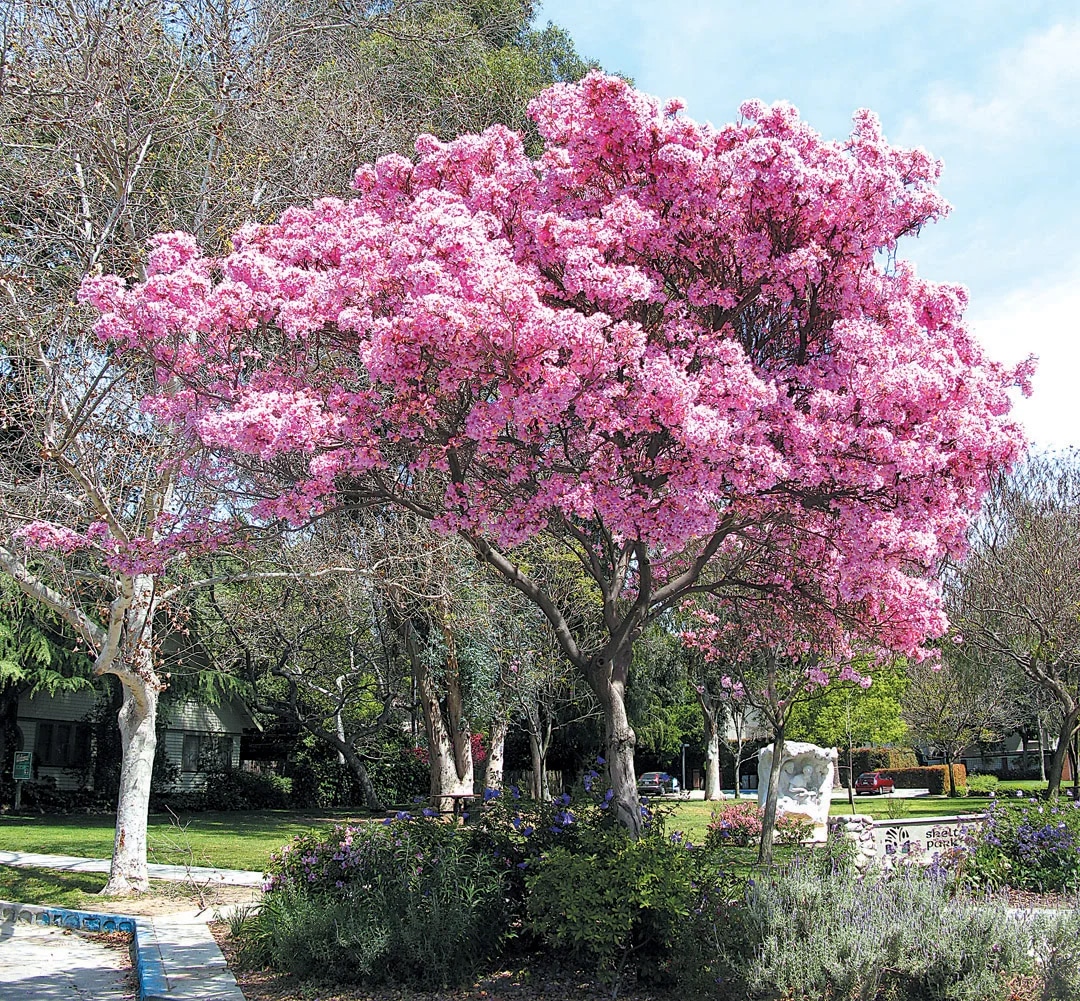
Medicinal Facts
Tabebuia rosea, commonly known as the Pink Trumpet Tree, is renowned for its bioactive compounds such as lapachol, quercetin, and beta-lapachone. It stands at the intersection of traditional Central American medicine, where it is used for infections and inflammation, and modern pharmacological research focusing on its potential anti-cancer and antimicrobial properties. The tree's bark and leaves are particularly noted for their rich polyphenolic content, which contributes to its diverse therapeutic applications.
What it helps with
Antimicrobial activity
Lapachol and beta-lapachone exhibit significant antimicrobial properties by inhibiting bacterial DNA gyrase and topoisomerase enzymes, essential for bacterial replication. In vitro studies demonstrate effectiveness against Staphylococcus aureus and Escherichia coli, supporting traditional uses for infections.
Anti-inflammatory effects
Quercetin in Tabebuia rosea modulates the NF-kB pathway, reducing the expression of pro-inflammatory cytokines such as TNF-alpha and IL-1beta. Animal models show reduced edema and inflammation, aligning with traditional applications for inflammatory conditions.
Cancer-adjunct research
Beta-lapachone induces apoptosis in cancer cells by activating the NQO1 enzyme, leading to reactive oxygen species (ROS) generation and DNA damage. Preclinical studies highlight its potential in leukemia and prostate cancer models, though human trials are limited.
Antioxidant support
Polyphenols like quercetin and flavonoids in the plant scavenge free radicals and upregulate endogenous antioxidant enzymes such as superoxide dismutase (SOD). This activity supports cellular protection against oxidative stress, as evidenced in vitro.
Gastrointestinal health
Traditional use for digestive issues is supported by quercetin's ability to inhibit gastric H+/K+ ATPase, reducing acid secretion and protecting gastric mucosa. Animal studies suggest potential benefits in ulcer prevention.
Immune modulation
Lapachol modulates immune response by inhibiting the JAK-STAT signaling pathway, potentially reducing overactive immune responses. This mechanism is explored in the context of autoimmune conditions, primarily in animal models.
Skin health & wound healing
Topical applications of Tabebuia rosea extracts promote wound healing through enhanced collagen synthesis and fibroblast proliferation, mediated by TGF-beta signaling. Traditional use for skin conditions finds support in these mechanistic insights.
Respiratory health
The plant's traditional use for respiratory infections is supported by its antimicrobial and anti-inflammatory properties, particularly through the inhibition of viral replication enzymes. Quercetin's role in modulating histamine release further aids in respiratory relief.
Key active compounds
Lapachol
A naphthoquinone compound with notable antimicrobial and anti-cancer properties. It inhibits DNA topoisomerase, crucial for bacterial and cancer cell proliferation, but has limited oral bioavailability.
Beta-lapachone
A derivative of lapachol with potent anti-cancer effects, inducing apoptosis through NQO1 enzyme activation and subsequent ROS generation. It shows promise in preclinical cancer models.
Quercetin
A flavonoid that modulates inflammatory pathways (NF-kB) and acts as a potent antioxidant. It enhances vascular and immune health, with moderate bioavailability improved by co-administration with fats.
Anthraquinones
Compounds with laxative and antimicrobial properties, contributing to the plant's traditional use for digestive health. They inhibit microbial growth by disrupting cell membrane integrity.
Flavonoids
A broad class of polyphenols with antioxidant and anti-inflammatory effects, supporting overall cellular health. They synergize with other compounds to enhance therapeutic efficacy.
Tannins
Polyphenolic compounds with astringent properties, aiding in wound healing and providing antimicrobial effects by precipitating proteins and disrupting microbial cell walls.
Saponins
Glycosides that enhance immune function and exhibit anti-inflammatory properties. They may also improve the bioavailability of other compounds through their surfactant properties.
What the research says
Research on Tabebuia rosea primarily focuses on its antimicrobial and anti-cancer potential. Lapachol and beta-lapachone are the most studied compounds, with strong preclinical evidence in bacterial inhibition and cancer cell apoptosis. Human clinical trials are sparse, primarily due to bioavailability challenges. Traditional uses are supported by in vitro and animal studies, particularly for inflammation and infections. The main limitation is the poor solubility and bioavailability of key compounds like lapachol, which is being addressed through formulation improvements such as liposomal encapsulation and nanoparticle delivery systems.
Typical dosage
For tea or infusion, use 1-2 teaspoons of dried bark per cup of boiling water, steep for 10-15 minutes, and consume up to three times daily. Tinctures can be taken in doses of 1-2 ml up to three times a day. Powders and capsules should follow the manufacturer's recommended dosage, typically 500 mg to 1 g per day. Topical applications should be used as needed, ensuring the area is clean before application.
About Pink Trumpet Tree
Traditional Use
Preparations & Dosage
Preparations
- Tea / Infusion: Boil 1-2 teaspoons of dried Tabebuia rosea bark in a cup of water. Reduce heat and let it simmer for 10-15 minutes. Strain and drink warm. Add honey or lemon for taste if desired.
- Tincture: Use a dropper to measure 1-2 ml of tincture and add to a small amount of water or juice. Consume up to three times daily.
- Powder: Mix 500 mg to 1 g of Tabebuia rosea powder into smoothies, juices, or water. Consume once or twice daily.
- Capsule: Take 1-2 capsules (500 mg each) with water, preferably with meals. Follow manufacturer's dosage recommendations.
- Topical application: Prepare a paste by mixing Tabebuia rosea powder with water or a carrier oil. Apply to affected skin areas and leave for 15-20 minutes before rinsing.
Interactions & Warnings
Use with caution
Tabebuia rosea should be used with caution, especially in individuals with known allergies to plants in the Bignoniaceae family. Pregnant and breastfeeding women should avoid its use due to insufficient safety data. High doses may cause gastrointestinal upset.
Herb Interactions
Both herbs may enhance immune function, potentially leading to overstimulation of the immune system if used together excessively.
Community Plants
Real plants of this species grown and shared by the MyFloralVault community.
More in Immune Support





Was this helpful?
0 · 0
Care Guide Available
Learn how to grow and care for Pink Trumpet Tree at home