Pink Trumpet Tree
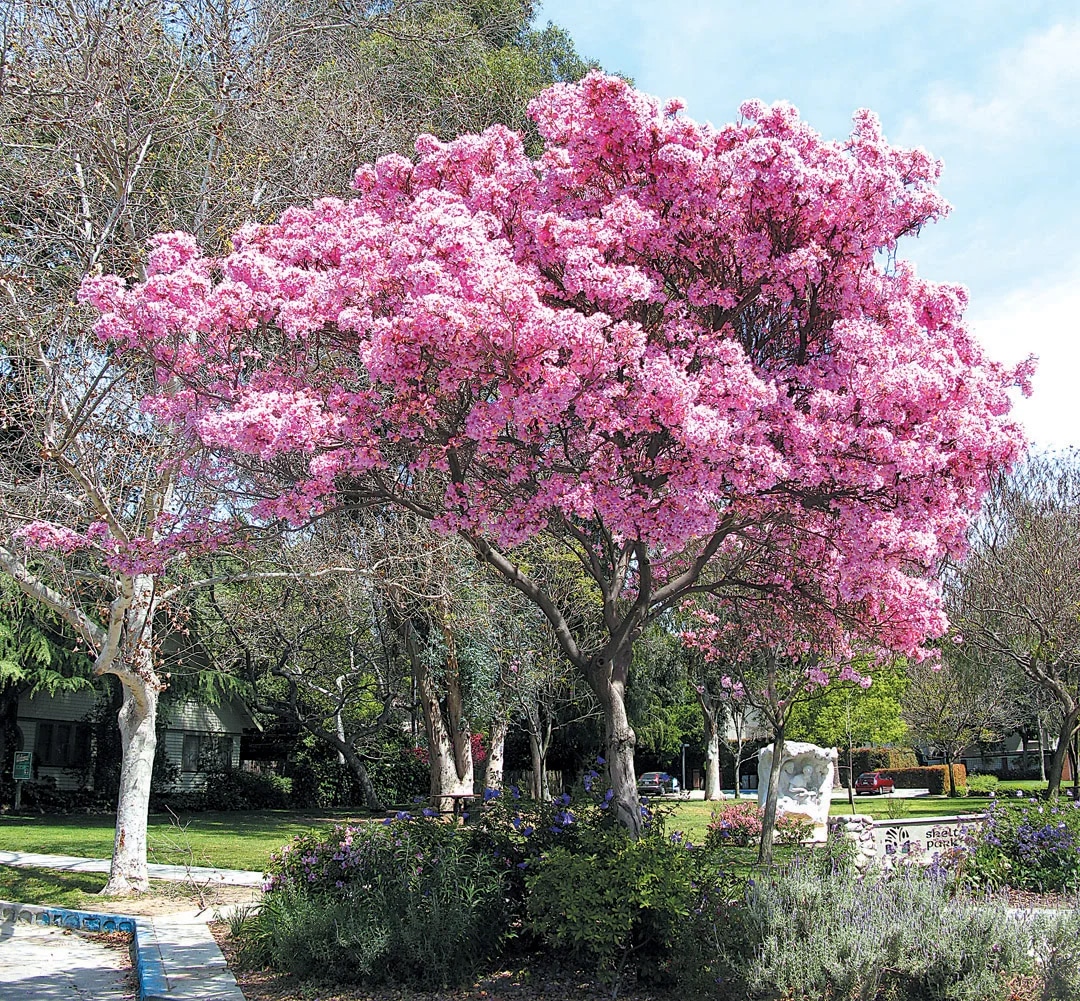
Description by @jominime
contains lapachol and β-lapachone, two naphthoquinone compounds that kill cancer cells by interfering with DNA replication, blocking the formation of new blood vessels that feed tumors (anti-angiogenesis), and shortening cancer cell telomeres.
traditional Mesoamerican medicine specifically used the bark for uterine cancer for centuries. researched against leukemia, prostate, colon, breast, and pancreatic cancers. the National Cancer Institute (NCI) ran clinical trials on lapachol in the 1970s but stopped because the isolated compound caused toxicity at therapeutic doses — using the whole bark traditionally appears safer than purified lapachol alone.
extract obtained from the inner bark kills broad-spectrum bacteria including Staph aureus. ethanol extracted from the leaf inhibits Klebsiella pneumoniae (a major cause of hospital-acquired pneumonia).
also kills Candida and other fungi. used traditionally for syphilis, malaria, and trypanosomiasis (Chagas disease).
lapachol has confirmed antimalarial, antiseptic, antiviral, bactericidal, fungicidal, insecticidal, pesticidal, schistosomicidal, termiticidal, and viricidal activity.
methanol bark extract heals wounds comparable to the standard antibacterial wound powder Cicatrin.
dried flower extract of Tabebuia rosea kills mosquito larvae of both Anopheles (the malaria vector) and Culex (vectors for filariasis, West Nile virus, and Japanese encephalitis).
lapachol from Tabebuia rosea bark causes reproductive toxicity in male testicular function, reducing sperm production and motility, making it relevant as a natural male antifertility agent.
it's also a documented abortifacient and contraindicated in pregnancy, which means it's used for inducing menstruation and terminating early pregnancy. the bark decoction is the traditional preparation for both purposes
lapachol is chemically related to vitamin K and acts as a competitive antagonist, meaning it blocks vitamin K from doing its clotting job, which makes it a natural blood thinner.
do not stack with prescription blood thinners because the effects compound dangerously.
It has mild analgesic properties, traditionally used to alleviate pain from headaches, arthritis, and menstrual cramps.
Related Plants
Plant information is for educational purposes only.