Miracle Leaf
Kalanchoe Pinnata

Medicinal Facts
Kalanchoe pinnata, commonly known as Miracle Leaf, is rich in bufadienolides and flavonoids, which are central to its medicinal uses. This plant sits at the intersection of traditional medicine, where it is used for wound healing and inflammation, and modern pharmacological research exploring its potential in immunomodulation and cancer adjunct therapy. Its bioactive compounds are being studied for their effects on cellular pathways such as NF-kB and COX-2, as well as their antiviral properties. The plant's versatility in both traditional and contemporary contexts makes it a compelling subject for ongoing research.
What it helps with
Wound healing
Kalanchoe pinnata's flavonoids and bufadienolides promote wound healing by modulating TGF-beta signaling, which enhances collagen synthesis and fibroblast proliferation. Traditional use is supported by preclinical studies showing accelerated re-epithelialization and reduced inflammation in wound models.
Inflammation
The plant's anti-inflammatory effects are largely attributed to its inhibition of the NF-kB pathway and COX-2 enzyme, reducing the production of pro-inflammatory cytokines like TNF-alpha and IL-6. These actions have been demonstrated in animal models, aligning with its traditional use for inflammatory conditions.
Immunomodulation
Bufadienolides from Kalanchoe pinnata may modulate immune responses by affecting cytokine production and lymphocyte proliferation. In vitro studies suggest these compounds can enhance macrophage activity and alter T-cell responses, providing a basis for its use in traditional immune-supportive protocols.
Antiviral activity
Research suggests that Kalanchoe pinnata exhibits antiviral properties, potentially through the inhibition of viral replication enzymes. Flavonoids in the plant may interfere with viral entry and replication, though evidence is primarily from in vitro studies focusing on common viral pathogens.
Cancer adjunct research
Bufadienolides are being investigated for their potential to induce apoptosis and inhibit angiogenesis in cancer cells. These effects are mediated through pathways such as NF-kB and STAT3, with preclinical models showing promising results, though clinical data are still emerging.
Gastroprotective effects
The plant's flavonoids may exert gastroprotective effects by enhancing mucosal defense mechanisms and inhibiting gastric acid secretion. In animal studies, Kalanchoe pinnata extracts have been shown to reduce ulcer formation, supporting its traditional use for digestive health.
Kidney health
Traditionally used for kidney stones, Kalanchoe pinnata may aid kidney health by modulating oxidative stress and inflammation in renal tissues. Its effects on the NF-kB pathway and antioxidant enzyme activity have been observed in preclinical studies, suggesting a protective role against nephrotoxicity.
Key active compounds
Bufadienolides
Steroidal compounds known for their cardiotonic and anti-inflammatory properties. They inhibit the Na+/K+-ATPase pump, which can influence cellular calcium levels and apoptosis pathways.
Quercetin
A flavonoid with antioxidant and anti-inflammatory activity. It modulates NF-kB and MAPK pathways and has been shown to enhance the bioavailability of other compounds through P-glycoprotein inhibition.
Kaempferol
Another flavonoid that contributes to the plant's anti-inflammatory and antioxidant profile. It inhibits key enzymes like COX-2 and modulates signaling pathways such as PI3K/Akt.
Triterpenoids
These compounds exhibit anti-inflammatory and antiviral properties by modulating cytokine production and inhibiting viral replication enzymes.
Phenolic acids
Act as antioxidants and contribute to the plant's overall anti-inflammatory effects by scavenging free radicals and modulating enzyme activity.
Caffeic acid
A phenolic compound with antioxidant properties that modulates NF-kB and Nrf2 pathways, enhancing cellular antioxidant defenses.
Gallic acid
Known for its antioxidant and antimicrobial activities, it modulates oxidative stress and supports the overall therapeutic profile of the plant.
What the research says
Research on Kalanchoe pinnata is primarily focused on its anti-inflammatory and wound healing properties. Bufadienolides and flavonoids are the most studied compounds, with preclinical studies demonstrating significant effects on NF-kB and COX-2 pathways. Human evidence is limited but promising, particularly in topical applications for wound care. The plant's antiviral and immunomodulatory potential is supported by in vitro studies, highlighting its role in traditional medicine. The main limitation is the variability in bioactive compound concentrations across different plant extracts, which is addressed by standardizing extraction methods and focusing on specific active constituents in research.
Typical dosage
For juice, use fresh leaves to extract 1-2 tablespoons, applied topically or taken orally once daily. For a poultice, crush leaves and apply directly to the affected area, changing every few hours. Infusions can be made by steeping 1-2 teaspoons of dried leaves in hot water for 10 minutes, consumed up to twice daily. Tinctures should be used according to product instructions, typically 10-20 drops in water, up to three times a day.
About Miracle Leaf
Traditional Use
Preparations & Dosage
Preparations
- Juice: Harvest fresh leaves, wash thoroughly, and crush them to extract the juice. Use a clean cloth to strain the juice into a container. Apply topically to wounds or take orally as needed.
- Poultice: Crush fresh leaves into a paste and apply directly to the affected skin area. Cover with a clean cloth or bandage. Replace every few hours.
- Infusion: Dry the leaves and crumble them. Steep 1-2 teaspoons in hot water for 10 minutes. Strain and drink while warm.
- Tincture: Use a commercial tincture or prepare by soaking dried leaves in alcohol for several weeks. Strain and store in a dark bottle.
Interactions & Warnings
Use with caution
Kalanchoe Pinnata should be used with caution, especially by individuals with liver conditions or those taking medications metabolized by the liver. Pregnant and breastfeeding women should avoid its use due to insufficient safety data.
Herb Interactions
Both herbs may affect liver enzymes, potentially altering the metabolism of certain medications.
Community Plants
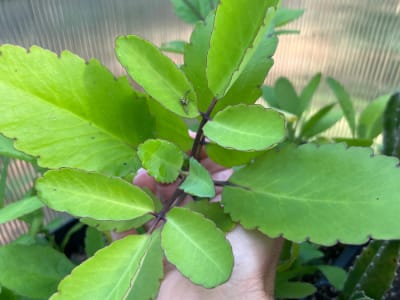
Real plants of this species grown and shared by the MyFloralVault community.
More in Immune Support





Was this helpful?
0 · 0
Care guides for related plants
Care Guide Available
Learn how to grow and care for Miracle Leaf at home