Meshimakobu
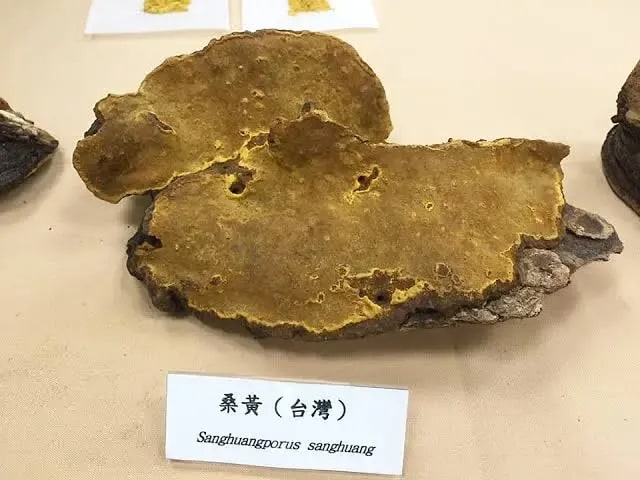
Sanghuangporus Sanghuang
Medicinal Facts
Sanghuangporus sanghuang, commonly known as Meshimakobu, is renowned for its polysaccharides and phenolic compounds, particularly hispidin and its derivatives. It stands at the intersection of traditional Chinese and Korean medicine, where it is used for its immune-modulating and anti-cancer properties, and modern research, which explores its effects on oxidative stress and inflammation. Its potential in oncology is notable, with studies focusing on apoptosis induction and angiogenesis inhibition. The primary challenge with its medicinal use is the standardization of its bioactive components.
What it helps with
Immune modulation
Polysaccharides from Sanghuangporus sanghuang activate macrophages and enhance cytokine production, such as IL-1β and TNF-α, via the TLR4/NF-kB pathway. This immune-modulating action is supported by both in vitro and animal studies, highlighting its potential in boosting immune responses.
Anti-cancer properties
Hispidin and its derivatives induce apoptosis in cancer cells through the activation of caspase-3 and the mitochondrial pathway. They also inhibit angiogenesis by downregulating VEGF expression. Preclinical studies provide the bulk of the evidence, with some promising in vitro results.
Antioxidant activity
The phenolic compounds in Sanghuangporus sanghuang, including hispidin, scavenge free radicals and upregulate Nrf2, leading to increased expression of antioxidant enzymes like superoxide dismutase (SOD). This action is primarily supported by in vitro studies.
Anti-inflammatory effects
Sanghuangporus sanghuang extracts inhibit the NF-kB pathway, reducing the production of pro-inflammatory cytokines such as IL-6 and TNF-α. This mechanism is validated in animal models of inflammation.
Liver protection
Polysaccharides from Sanghuangporus sanghuang enhance the activity of antioxidant enzymes and reduce lipid peroxidation in hepatocytes, offering protection against chemically induced liver damage. This hepatoprotective effect is demonstrated in animal studies.
Diabetes management
The polysaccharides in Sanghuangporus sanghuang improve insulin sensitivity and lower blood glucose levels by modulating the PI3K/Akt pathway. Evidence is primarily from animal models, suggesting potential benefits in managing type 2 diabetes.
Neuroprotection
Hispidin exhibits neuroprotective effects by inhibiting oxidative stress and apoptosis in neuronal cells, potentially through the modulation of the MAPK pathway. This is supported by preliminary in vitro research.
Cardiovascular health
Compounds in Sanghuangporus sanghuang, particularly hispidin, may improve endothelial function by enhancing nitric oxide production and reducing oxidative stress. This potential benefit is under investigation in animal studies.
Key active compounds
Hispidin
A phenolic compound that acts as a potent antioxidant and has been shown to induce apoptosis in cancer cells by activating caspase pathways. It also modulates angiogenesis-related factors.
Polysaccharides
Complex carbohydrates that enhance immune function by activating macrophages and modulating cytokine production through TLR4/NF-kB signaling. They are key to the mushroom's immunomodulatory effects.
Inonotusol
A triterpenoid compound known for its anti-inflammatory properties, inhibiting the NF-kB pathway and reducing the production of pro-inflammatory cytokines.
Phenolic acids
These compounds contribute to the antioxidant activity of Sanghuangporus sanghuang by scavenging free radicals and enhancing the expression of antioxidant enzymes.
Ergosterol
A sterol component that may contribute to the anti-cancer properties of the mushroom by affecting cell membrane integrity and signaling pathways involved in cell proliferation.
Beta-glucans
A type of polysaccharide that is particularly effective in modulating the immune system, enhancing macrophage activity, and improving cytokine profiles.
Protocatechuic acid
A phenolic acid with antioxidant properties, contributing to the overall free radical scavenging activity of the mushroom.
What the research says
Research on Sanghuangporus sanghuang is largely preclinical, with strong evidence for its immune-modulating and antioxidant properties coming from in vitro and animal studies. The polysaccharides and hispidin derivatives are the most studied compounds, showing potential in cancer and immune health. While the anti-cancer effects, particularly apoptosis induction and angiogenesis inhibition, are promising, they are primarily supported by laboratory studies. The main limitation is the variability in bioactive compound concentrations, which is being addressed through efforts to standardize extracts and improve cultivation techniques.
Typical dosage
For decoctions, boil 10-15 grams of dried mushroom in water for 30-60 minutes and consume up to twice daily. For powders, take 1-2 grams daily, mixed with water or juice. Capsules typically contain 500 mg, with a recommended dosage of 1-2 capsules taken twice daily. Extracts and tinctures should be used as directed by the manufacturer, usually 1-2 ml taken 1-3 times daily.
About Meshimakobu
Traditional Use
Preparations & Dosage
Preparations
- Decoction: Boil 10-15 grams of dried Sanghuangporus Sanghuang in 500 ml of water for 30-60 minutes. Strain the liquid and drink warm. Optionally, add honey or lemon for taste.
- Powder: Mix 1-2 grams of Sanghuangporus Sanghuang powder with water, juice, or smoothies. Stir well before consuming.
- Capsule: Take 1-2 capsules (500 mg each) with water, twice daily, preferably with meals.
- Extract: Use 1-2 ml of Sanghuangporus Sanghuang extract, diluted in water or juice, 1-3 times daily.
- Tincture: Take 1-2 ml of tincture under the tongue or in a small amount of water, up to three times daily.
Interactions & Warnings
Use with caution
Sanghuangporus Sanghuang is generally considered safe, but individuals with mushroom allergies should avoid it. Pregnant or breastfeeding women and those on immunosuppressive therapy should consult a healthcare provider before use.
Herb Interactions
May enhance immune-boosting effects, potentially leading to overstimulation of the immune system.
Community Plants
Real plants of this species grown and shared by the MyFloralVault community.

More in Immune Support





Was this helpful?
0 · 0
Care guides for related plants
Care Guide Available
Learn how to grow and care for Meshimakobu at home