Meshimakobu
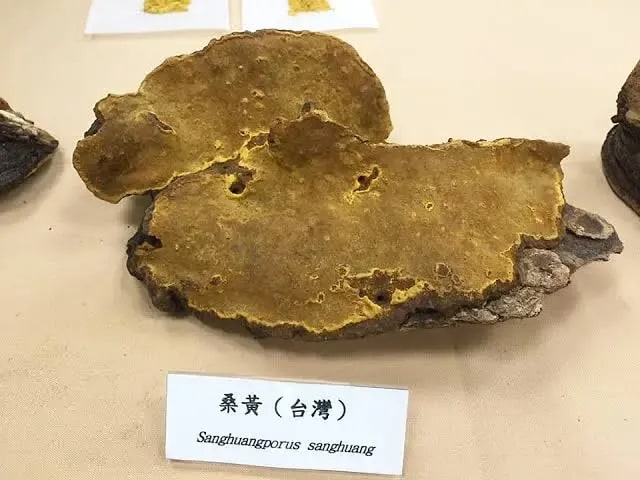
Description by @jominime
one of the rarest and most prized medicinal mushrooms in East Asia. historically so scarce that it was considered a imperial-grade medicine. high-quality wild specimens sell for thousands of dollars per kilo.
A wood-decay fungus that grows almost exclusively on living mulberry trees. takes decades to reach mature bracket size on mulberry trees.
traditionally used for treating hemorrhage, hemostasis, and diseases related to female menstruation.
promotes blood clotting and stops bleeding.
hispolon from sanghuang kills breast, gastric, hepatic, melanoma, prostate, bladder, liver, sarcoma, lung, leukemia, and colorectal cancer cells.
It suppresses cancer cell proliferation, migration, and invasion. Oral Sanghuang is what most of the cancer, liver, and antiviral research uses, because those targets are internal.
hispolon reduces dark spots and hyperpigmentation by shutting down the master gene (MITF) that tells your skin cells to produce melanin. a deeper mechanism than typical skin brighteners like kojic acid, which only block the enzyme. at higher doses, the same compound kills melanoma cells (skin cancer). apply extracts topically.
inhibits the same enzyme as the pharmaceutical gout drug allopurinol, reducing uric acid production and preventing gout attacks.
sanghuang reduces blood sugar through alpha-glucosidase inhibition (blocking starch digestion) and improves insulin sensitivity through AMPK activation (the same pathway as berberine and metformin). liver restoration additionally improves glucose metabolism at the organ level.
hepaprotective - sanghuang reduces liver inflammation and oxidative damage, and specifically inhibits the fibrosis process that turns chronic liver disease into cirrhosis.
protects the liver from one of the deadliest forms of damage (acetaminophen/Tylenol overdose, the #1 cause of acute liver failure). it works by blocking the specific liver enzyme (CYP2E1) that converts Tylenol into its toxic form.
sanghuang compounds cross the blood-brain barrier and reduce brain inflammation. good to use for Alzheimer's and Parkinson's disease prevention.
reduces lung inflammation and block the fibrosis process in lung tissue.
sleep improvement among confirmed health-improving effects of Sanghuangporus.
muscle-strengthening abilities among confirmed health-improving effects of Sanghuangporus. selenium-enriched polysaccharides (from selenium-rich cultivation substrates) add direct antioxidant protection of muscle tissue.
Sanghuang's triterpenoids protect heart muscle cells from the kind of damage that happens during a heart attack — when blood flow stops and then suddenly returns, causing massive oxidative damage to the heart muscle (reperfusion injury). relevant for heart attack recovery, stroke, and any cardiovascular event where blood flow is temporarily cut off.
sanghuang activates innate immune cells that fight viral infections broadly, with specific documented activity against hepatitis B and C viruses.
In addition, accumulations of lipofuscin were also visibly reduced. Lipofuscin is a brownish-yellow, indigestible pigment composed of highly oxidized proteins, lipids, and metals.
accumulating in aging neurons, heart cells, and retinal cells and cannot be broken down by normal cellular cleanup systems.
Known as "wear-and-tear" pigment, it acts as toxic cellular garbage, impairing cellular function, inducing inflammation, and serving as a key biomarker for aging.
think of those random brown spots that appear on the skin of old people.
Traditionally used for liver health, research shows it helps protect the liver from toxins and aids in treating digestive issues, such as stomach ulcers.
Related Plants
Plant information is for educational purposes only.