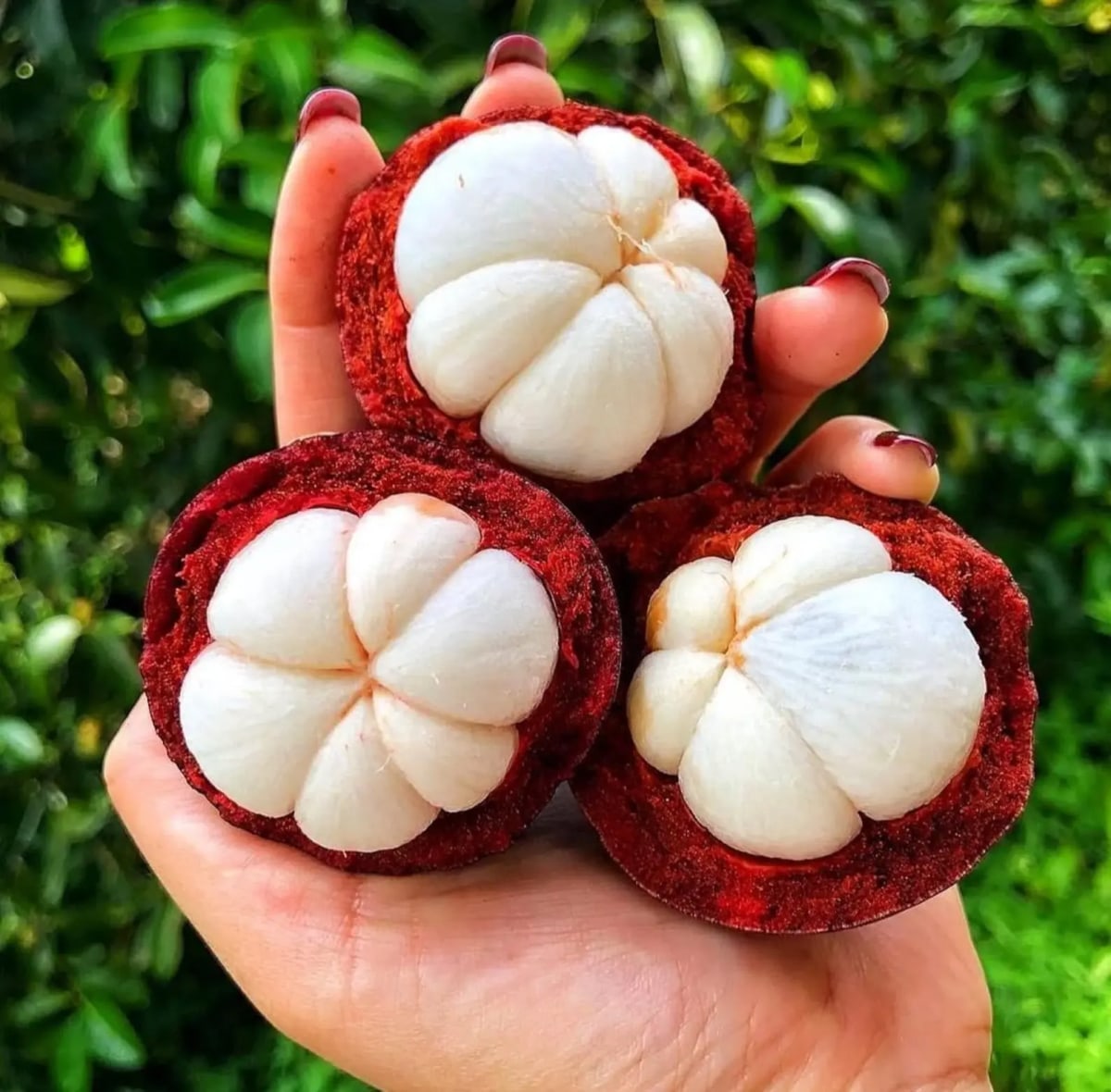
Mangosteen
Garcinia Mangostana
Medicinal Facts
Mangosteen's medicinal potential is primarily attributed to its xanthones, particularly alpha-mangostin, which exhibit potent anti-inflammatory and antioxidant properties. This tropical fruit stands at the intersection of traditional Southeast Asian medicine, where it is used for skin infections and wound healing, and modern research, which explores its role as an NF-kB inhibitor and COX-2 modulator. The fruit's pericarp is especially rich in these bioactive compounds, making it a focus for both traditional remedies and contemporary nutraceuticals. Its use is often limited by the availability of standardized extracts, which are critical for consistent therapeutic outcomes.
What it helps with
Inflammation & pain
Alpha-mangostin inhibits the NF-kB pathway and COX-2 enzyme, reducing the production of pro-inflammatory cytokines such as TNF-alpha and IL-1beta. This action has been supported by animal studies and small human trials, suggesting its potential as a natural anti-inflammatory agent.
Oxidative stress
Xanthones from mangosteen, including alpha-mangostin, scavenge free radicals and upregulate the Nrf2 pathway, enhancing the expression of endogenous antioxidant enzymes like superoxide dismutase (SOD) and catalase. This mechanism is primarily evidenced in vitro and in animal models.
Metabolic syndrome
Alpha-mangostin activates AMPK, which enhances glucose uptake and fatty acid oxidation, potentially improving insulin sensitivity and lipid profiles. Preclinical studies indicate its promise in managing metabolic disorders, though human data are limited.
Neuroprotection
Mangosteen xanthones cross the blood-brain barrier and may reduce neuroinflammation by modulating microglial activity and inhibiting the NF-kB pathway. Animal studies suggest a protective role against neurodegenerative diseases, but human trials are needed.
Immune support
The immunomodulatory effects of mangosteen are linked to its ability to modulate cytokine production and enhance macrophage activity. This is supported by traditional use and some in vitro studies, though clinical evidence remains sparse.
Skin health & wound healing
Topically applied, mangosteen extracts promote wound healing through antimicrobial activity and the modulation of TGF-beta signaling, which aids in collagen synthesis. This use is supported by traditional practices and some preclinical research.
Cancer-adjunct research
Alpha-mangostin induces apoptosis and inhibits angiogenesis in cancer cells by modulating multiple signaling pathways, including NF-kB and MAPK. While in vitro and animal studies are promising, human clinical data are lacking, making it an area of ongoing research.
Key active compounds
Alpha-mangostin
A xanthone with strong anti-inflammatory and antioxidant properties. It inhibits NF-kB and COX-2 and activates Nrf2, contributing to its broad therapeutic potential.
Gamma-mangostin
Another xanthone that complements alpha-mangostin's effects, particularly in anti-inflammatory pathways, and has been shown to inhibit histamine release in vitro.
Garcinone E
A xanthone with notable anticancer properties, particularly in inhibiting the proliferation of certain cancer cell lines through apoptosis induction.
Beta-mangostin
Exhibits antioxidant properties and contributes to the overall free radical scavenging activity of mangosteen extracts.
Tannins
Polyphenolic compounds that provide astringent properties, supporting traditional uses for skin conditions and gastrointestinal health.
Catechins
Flavonoids that enhance the antioxidant profile of mangosteen, potentially contributing to cardiovascular and metabolic health benefits.
What the research says
Research on mangosteen is concentrated on its anti-inflammatory and antioxidant capabilities, with alpha-mangostin being the most studied compound. Human trials are limited but suggest potential benefits for inflammation and metabolic health. Preclinical studies dominate the landscape, particularly focusing on neuroprotection and cancer, where xanthones show promise in modulating key signaling pathways. The primary limitation is the variability in bioactive compound concentrations in non-standardized extracts, which is addressed by developing standardized formulations for consistent therapeutic effects.
Typical dosage
For juice, consume 30-60 ml daily. Capsules typically contain 500 mg of mangosteen extract, taken 1-2 times daily. For powder, use 1-2 teaspoons mixed with water or smoothies. Tea or infusion can be made by steeping 1-2 teaspoons of dried rind in hot water for 10 minutes. Tinctures are usually taken in doses of 1-2 ml, 2-3 times daily. Always start with lower doses to assess tolerance.
About Mangosteen
Traditional Use
Preparations & Dosage
Preparations
- Juice: Blend fresh mangosteen fruit with water or other fruit juices. Strain to remove pulp if desired. Serve chilled.
- Capsule: Take with water, preferably with meals to enhance absorption.
- Powder: Mix 1-2 teaspoons of mangosteen powder into smoothies, yogurt, or water.
- Tea / Infusion: Steep 1-2 teaspoons of dried mangosteen rind in hot water for 10 minutes. Strain and serve.
- Tincture: Take 1-2 ml diluted in water or juice, 2-3 times daily.
Interactions & Warnings
Use with caution
Mangosteen is generally safe when consumed in moderate amounts, but excessive intake may lead to gastrointestinal issues. Pregnant or breastfeeding women should consult a healthcare provider before use. Those on anticoagulant medications should exercise caution due to potential blood-thinning effects.
Herb Interactions
Both may have blood-thinning effects, increasing the risk of bleeding.
Community Plants
Real plants of this species grown and shared by the MyFloralVault community.


More in Immune Support





Was this helpful?
0 · 0
Care Guide Available
Learn how to grow and care for Mangosteen at home