Mangosteen
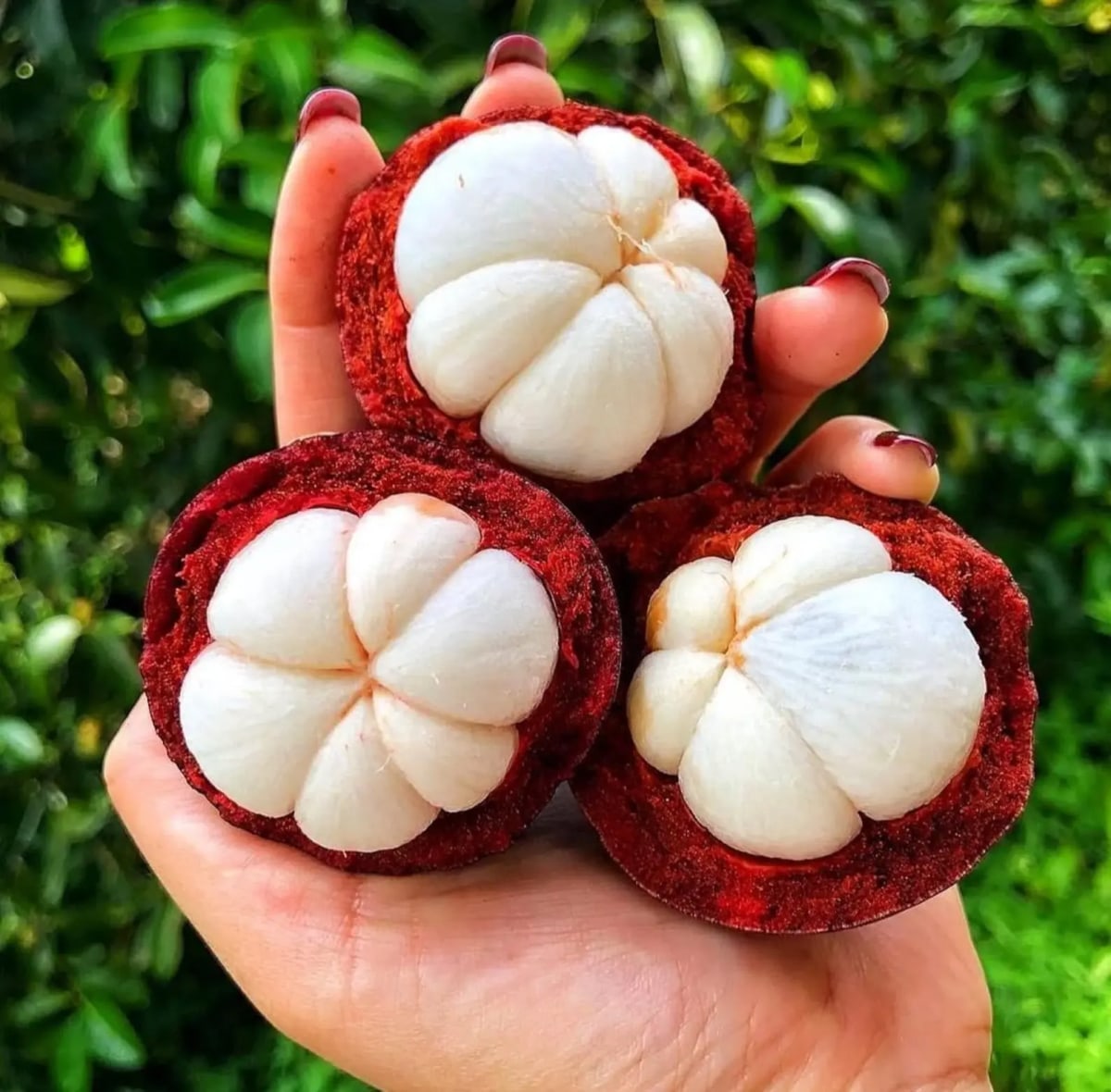
Description by @jominime
The fruit, fruit juice, rind, twig, and bark are used as medicine.
it was Queen Victoria's favorite fruit. she appointed knighthood to anyone who could get her fresh mangosteen.
rich in xanthones, which are known for their anti-inflammatory effects, potentially beneficial for conditions like gingivitis and periodontitis.
contains potent antioxidants, including vitamin C and folate.
extracts have shown antibacterial and antiviral properties.
Mangosteen is used for diarrhea, urinary tract infections (UTIs), gonorrhea, thrush, tuberculosis, menstrual disorders, cancer, osteoarthritis, and an intestinal infection called dysentery.
It is also used for stimulating the immune system and improving mental health.
may improve insulin sensitivity/ maintains insulin resistance in the body.
Mangosteen fruit extract helps maintain skin health, making it supple and elastic. Studies have also shown that mangosteen consumption slows down the accumulation of ageing compounds in the skin, making it an anti-ageing food.
Mangosteen might slow blood clotting. Taking mangosteen might increase the risk of bleeding during or after surgery. Stop taking mangosteen 2 weeks before surgery.
medications that slow blood clotting include aspirin, clopidogrel (Plavix), dalteparin (Fragmin), dipyridamole (Persantine), enoxaparin (Lovenox), heparin, ticlopidine (Ticlid), warfarin (Coumadin), etc.
Related Plants
Plant information is for educational purposes only.