Indian Gooseberry
Phyllanthus Emblica
Medicinal Facts
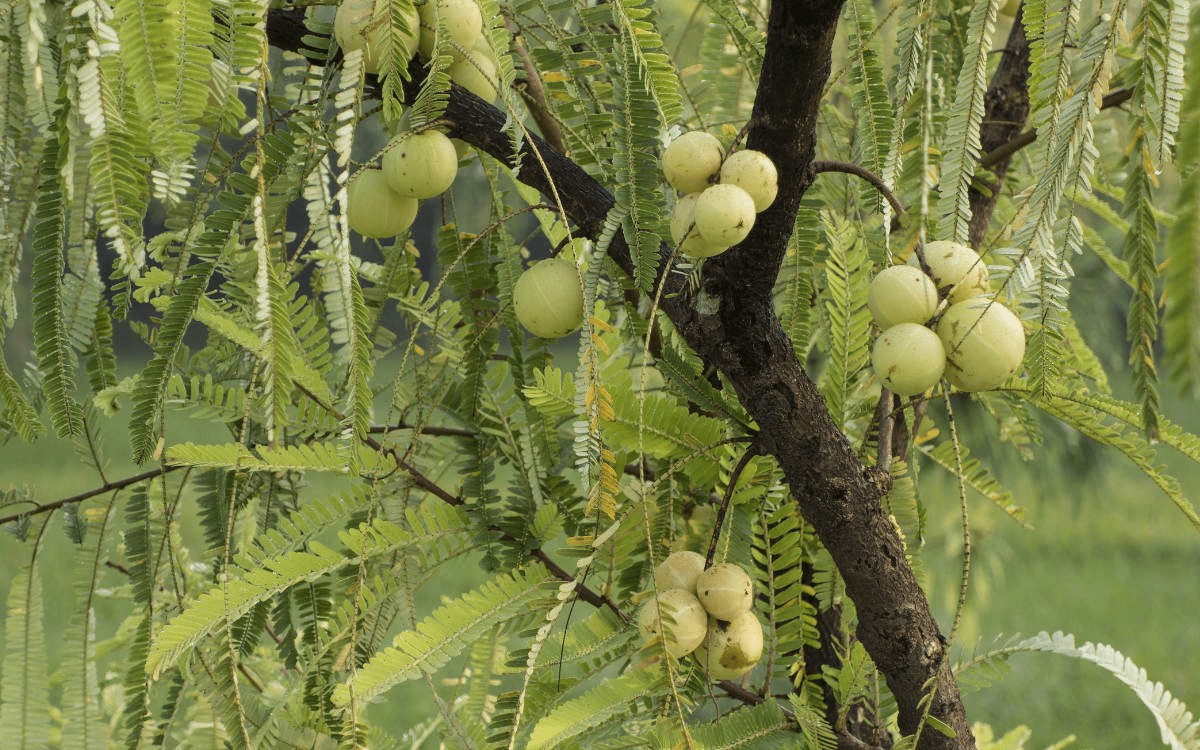
Phyllanthus Emblica, commonly known as Indian Gooseberry or Amla, is renowned for its high content of ascorbic acid (vitamin C) and a unique blend of tannins, such as emblicanin A and B. It sits at the crossroads of Ayurvedic medicine, where it is a cornerstone for rejuvenation and longevity protocols, and modern antioxidant research, which explores its potential in oxidative stress modulation and metabolic health. Its polyphenolic compounds are also studied for their role in modulating inflammation and supporting liver health.
What it helps with
Longevity & cellular aging
Emblicanin A and B, along with other polyphenols, activate the Nrf2 pathway, enhancing cellular antioxidant defenses and reducing oxidative stress. This activation supports the maintenance of telomere length and may influence sirtuin activity, contributing to cellular longevity. Evidence is largely preclinical, with strong traditional support from Ayurvedic rasayana practices.
Metabolic syndrome
Phyllanthus Emblica's polyphenols, particularly emblicanin A, modulate AMPK signaling, which enhances glucose uptake and improves insulin sensitivity. Animal studies and small human trials suggest potential benefits in regulating blood sugar levels and lipid profiles, making it a candidate for adjunctive use in metabolic syndrome management.
Liver health
The tannins and vitamin C in Amla enhance glutathione synthesis and upregulate phase II detoxification enzymes through Nrf2 activation, protecting hepatocytes from oxidative damage. Traditional use for liver tonics aligns with emerging evidence from animal models showing hepatoprotective effects.
Immune support
Ascorbic acid and polyphenols in Amla modulate cytokine production, enhancing the Th1 response and supporting innate immunity. This immunomodulatory effect is supported by traditional use and preliminary clinical trials that indicate improved immune markers.
Digestive health
Amla's tannins and fibers promote gut health by modulating gut microbiota and enhancing mucosal defense. It is traditionally used to alleviate dyspepsia and has shown promise in animal studies for reducing gastric ulcers through inhibition of H. pylori and modulation of gastric mucosal integrity.
Cardiovascular health
Emblicanin B and other polyphenols improve endothelial function by increasing nitric oxide bioavailability and reducing oxidative stress. Small clinical studies suggest benefits in lowering LDL cholesterol and improving arterial compliance, aligning with traditional cardiovascular tonics.
Skin health
The high vitamin C content supports collagen synthesis and protects against UV-induced oxidative damage. Amla is traditionally used in skincare for its anti-aging properties, and emerging studies suggest it may reduce hyperpigmentation and improve skin elasticity.
Key active compounds
Ascorbic acid (Vitamin C)
A potent antioxidant that scavenges free radicals and regenerates other antioxidants like vitamin E. It enhances collagen synthesis and supports immune function.
Emblicanin A
A tannin with strong antioxidant properties, it activates Nrf2 and modulates AMPK, contributing to metabolic and cellular health.
Emblicanin B
Works synergistically with emblicanin A, enhancing antioxidant defenses and improving endothelial function by modulating nitric oxide levels.
Gallic acid
A phenolic acid with antimicrobial and anti-inflammatory effects, it inhibits COX-2 and modulates NF-kB, contributing to its anti-inflammatory profile.
Ellagic acid
A polyphenol that binds to DNA and protects against oxidative damage, it also modulates pathways like NF-kB and PI3K/Akt, relevant in cancer research.
Quercetin
A flavonoid that modulates inflammatory pathways by inhibiting NF-kB and COX-2, it also enhances endothelial function through eNOS activation.
Tannins
Complex polyphenols that provide astringent properties, they protect mucosal surfaces and modulate gut microbiota, contributing to digestive health.
What the research says
Research on Phyllanthus Emblica is robust in its antioxidant and anti-inflammatory potential. Human trials have primarily focused on its effects on metabolic syndrome and cardiovascular health, showing improvements in lipid profiles and glucose metabolism. Preclinical studies highlight its hepatoprotective and immune-modulating effects, with emblicanin A and B showing strong activity in these areas. The main limitation remains the bioavailability of its polyphenols, which is being addressed through enhanced extraction techniques and formulation with bioavailability enhancers like piperine or phospholipids.
Typical dosage
For juice, consume 10-20 ml daily. As a powder, take 1-2 grams per day mixed with water or juice. Capsules typically contain 500 mg, with a recommended dose of 1-2 capsules daily. Tinctures can be taken at a dose of 1-2 ml, 2-3 times per day. For tea, steep 1 teaspoon of dried fruit in hot water for 5-10 minutes, and drink 1-2 cups daily.
About Indian Gooseberry
Traditional Use
Preparations & Dosage
Preparations
- Tea / Infusion: Boil 1 cup of water and add 1 teaspoon of dried Amla fruit. Let it steep for 5-10 minutes, then strain and serve. Add honey or lemon for taste if desired.
- Juice: Blend fresh Amla fruits with a little water until smooth. Strain the mixture to remove pulp. Add honey or salt to taste.
- Powder: Mix 1-2 grams of Amla powder with water, juice, or smoothies. Stir well before consuming.
- Capsule: Take 1-2 capsules daily with water, preferably with meals.
- Tincture: Take 1-2 ml of Amla tincture diluted in water or juice, 2-3 times daily.
Interactions & Warnings
Use with caution
Phyllanthus Emblica is generally considered safe for most people when consumed in moderate amounts. However, those with diabetes should monitor blood sugar levels closely as it may lower blood sugar. Pregnant and breastfeeding women should consult a healthcare provider before use.
Herb Interactions
Both herbs have blood sugar-lowering effects, which may lead to hypoglycemia if used together in large amounts.
Community Plants
Real plants of this species grown and shared by the MyFloralVault community.

More in Immune Support





Was this helpful?
0 · 0
Care guides for related plants
Care Guide Available
Learn how to grow and care for Indian Gooseberry at home