Goumi
Elaeagnus Multiflora

Medicinal Facts
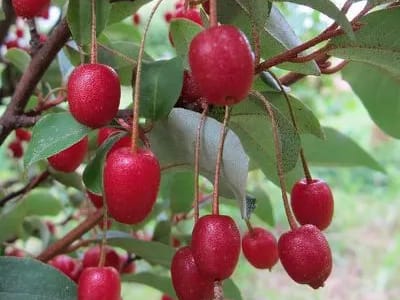
Elaeagnus multiflora, commonly known as Goumi, is rich in bioactive compounds such as lycopene, flavonoids, and essential fatty acids. It sits at the intersection of traditional Eastern medicine, where it is utilized for its anti-inflammatory and antioxidant properties, and modern nutritional research, which explores its potential in cardiovascular and metabolic health. The plant's berries are particularly noted for their high lycopene content, a carotenoid with significant antioxidant capacity, and their unique fatty acid profile, which includes omega-7 palmitoleic acid.
What it helps with
Cardiovascular health
Lycopene from Goumi berries acts as a potent antioxidant, reducing oxidative stress and LDL oxidation. It modulates endothelial nitric oxide synthase (eNOS) activity, improving vasodilation. Human observational studies associate high lycopene intake with reduced cardiovascular disease risk, though direct trials on Goumi are limited.
Metabolic syndrome
The flavonoids in Goumi, particularly quercetin and kaempferol, activate AMP-activated protein kinase (AMPK), a key regulator of energy balance and glucose metabolism. Animal studies suggest these compounds may improve insulin sensitivity and reduce hepatic fat accumulation, but human data are needed to confirm these effects.
Anti-inflammatory effects
Goumi's flavonoids inhibit the NF-kB pathway, reducing the expression of pro-inflammatory cytokines like TNF-a and IL-6. This mechanism has been observed in vitro and in animal models, supporting its traditional use for inflammatory conditions.
Antioxidant support
Lycopene and other carotenoids in Goumi scavenge free radicals and upregulate endogenous antioxidant enzymes such as superoxide dismutase (SOD) and glutathione peroxidase. This broad antioxidant action is well-documented in vitro and aligns with traditional uses for general health support.
Skin health
The omega-7 fatty acids in Goumi, particularly palmitoleic acid, support skin barrier function and hydration. These fatty acids modulate inflammatory pathways and promote collagen synthesis, as evidenced by preclinical studies.
Immune modulation
Polysaccharides in Goumi berries enhance macrophage activity and modulate cytokine production, supporting immune function. This effect is primarily noted in animal studies and aligns with traditional uses for immune support.
Longevity & cellular aging
Lycopene and flavonoids in Goumi may influence sirtuin pathways, particularly SIRT1, which are involved in cellular stress responses and longevity. While direct evidence in Goumi is limited, these compounds are known to affect similar pathways in other contexts.
Key active compounds
Lycopene
A carotenoid with strong antioxidant properties. It scavenges reactive oxygen species and modulates lipid peroxidation, with a noted role in cardiovascular protection.
Quercetin
A flavonoid that inhibits NF-kB and activates AMPK. It has anti-inflammatory and metabolic effects, enhancing insulin sensitivity and reducing inflammation.
Kaempferol
A flavonoid that exhibits antioxidant and anti-inflammatory activities. It modulates pathways such as NF-kB and may support cardiovascular health.
Palmitoleic acid
An omega-7 monounsaturated fatty acid that supports skin health and metabolic function. It has anti-inflammatory properties and influences lipid metabolism.
Polysaccharides
Complex carbohydrates that enhance immune function by modulating cytokine production and macrophage activity.
Beta-sitosterol
A phytosterol that competes with cholesterol absorption in the intestines, potentially lowering blood cholesterol levels.
Vitamin C
An essential vitamin with antioxidant properties. It supports immune function and enhances the bioavailability of other antioxidants like lycopene.
What the research says
Research on Goumi is primarily preclinical, focusing on its antioxidant and anti-inflammatory properties. Lycopene and flavonoids like quercetin and kaempferol show promise in cardiovascular and metabolic health, primarily in animal models and in vitro studies. Human studies are limited, with most evidence extrapolated from similar compounds in other fruits. The main limitation is the lack of direct human trials, particularly concerning the bioavailability of its active compounds. Strategies to enhance absorption, such as pairing with fats or other bioavailability enhancers, are areas of ongoing research.
Typical dosage
For tea or infusion, use 1-2 teaspoons of dried Goumi fruit per cup of boiling water, steep for 10-15 minutes, and consume up to three times daily. For tinctures, a common dosage is 1-2 ml taken up to three times a day. Capsules and powders should be taken according to the manufacturer's instructions, typically 500 mg to 1 g per day. Topical applications can be made using Goumi extracts for skin health, applied as needed.
About Goumi
Traditional Use
Preparations & Dosage
Preparations
- Tea / Infusion: Use 1-2 teaspoons of dried Goumi fruit per cup of boiling water. Steep for 10-15 minutes, strain, and serve. Add honey or lemon for taste if desired.
- Tincture: Combine 1 part dried Goumi fruit with 5 parts alcohol (such as vodka) in a glass jar. Seal and store in a cool, dark place for 4-6 weeks, shaking occasionally. Strain and store the liquid in a dropper bottle.
- Capsule: Encapsulate dried Goumi fruit powder into size 00 capsules using a capsule machine. Store in a cool, dry place.
Interactions & Warnings
Use with caution
Elaeagnus multiflora is generally considered safe for most people. However, individuals with allergies to plants in the Elaeagnaceae family should exercise caution. Pregnant and breastfeeding women should consult a healthcare provider before use.
Herb Interactions
Both have antioxidant properties; combining them may enhance effects but could also increase the risk of bleeding in sensitive individuals.
Community Plants
Real plants of this species grown and shared by the MyFloralVault community.
More in Immune Support





Was this helpful?
0 · 0