Goji berry
Lycium barbarum

Medicinal Facts
Goji berry, or Lycium barbarum, is celebrated for its diverse bioactive compounds, primarily polysaccharides, carotenoids like zeaxanthin, and flavonoids. It stands at the intersection of traditional Chinese medicine, where it is revered for longevity and vitality, and contemporary research focused on its antioxidant and neuroprotective properties. The berries are particularly noted for their role in supporting vision health and immune function, with zeaxanthin being a key player in ocular protection. The polysaccharides, known as Lycium barbarum polysaccharides (LBPs), are central to its immunomodulatory and anti-aging effects.
What it helps with
Vision health
Zeaxanthin, a carotenoid found abundantly in goji berries, accumulates in the retina, where it filters harmful blue light and reduces oxidative stress. It modulates the expression of genes involved in the antioxidant defense system, such as Nrf2, and has been shown in human trials to improve macular pigment density, which is crucial for visual acuity and protection against age-related macular degeneration.
Immune function
Lycium barbarum polysaccharides (LBPs) enhance immune responses by activating macrophages and dendritic cells, and modulating cytokine production. They influence the NF-kB signaling pathway, leading to increased production of IL-2 and interferon-gamma, which are critical for adaptive immune responses. Animal studies and some human trials suggest improved immune markers and resistance to infections.
Longevity & cellular aging
LBPs have been shown to activate the SIRT1 pathway, a key regulator of cellular aging and longevity. This activation enhances mitochondrial biogenesis through PGC-1a and promotes telomerase activity (TERT), potentially delaying cellular senescence. These effects are supported by both in vitro studies and traditional use in Chinese medicine for promoting vitality and longevity.
Antioxidant & anti-inflammatory effects
Goji berries are rich in flavonoids and polysaccharides that modulate oxidative stress and inflammation. They inhibit the NF-kB pathway and upregulate Nrf2-mediated antioxidant enzymes like superoxide dismutase (SOD) and glutathione peroxidase. Animal studies demonstrate reduced markers of oxidative stress and inflammation, supporting their use in chronic inflammatory conditions.
Neuroprotection & cognitive function
LBPs cross the blood-brain barrier and exert neuroprotective effects by reducing neuroinflammation and oxidative stress. They enhance neurogenesis and synaptic plasticity through the upregulation of brain-derived neurotrophic factor (BDNF) and modulation of the PI3K/Akt pathway. Preclinical studies show promise, although human data are still emerging.
Metabolic health
Goji berries may improve metabolic parameters by modulating glucose and lipid metabolism. LBPs activate AMPK, enhancing insulin sensitivity and reducing hepatic lipogenesis. Small human trials report improved glucose control and lipid profiles, suggesting a potential role in managing metabolic syndrome.
Skin health & anti-aging
The antioxidant properties of goji berries, particularly through zeaxanthin and LBPs, support skin health by reducing oxidative damage and promoting collagen synthesis. They modulate the TGF-beta pathway, important for skin repair and regeneration. Topical and oral applications have been studied for their effects on skin elasticity and appearance.
Key active compounds
Lycium barbarum polysaccharides (LBPs)
These polysaccharides are the primary bioactive components, known for their immunomodulatory and antioxidant effects. They activate immune cells and modulate cytokine production, and are involved in the regulation of the NF-kB and Nrf2 pathways.
Zeaxanthin
A carotenoid that accumulates in the retina, providing protection against blue light and oxidative damage. It is crucial for maintaining macular health and is associated with improved visual function in clinical studies.
Betaine
An amino acid derivative that supports liver function and cellular osmotic balance. It may contribute to the metabolic benefits of goji berries by modulating homocysteine levels and supporting methylation processes.
Flavonoids
These compounds provide antioxidant and anti-inflammatory effects by modulating signaling pathways such as NF-kB and Nrf2. They contribute to the overall health benefits of the berries, including cardiovascular and neuroprotective effects.
Beta-sitosterol
A phytosterol that may support cardiovascular health by modulating cholesterol absorption and metabolism. It also exhibits anti-inflammatory properties, potentially contributing to the berries' overall health benefits.
Scopoletin
A coumarin compound with potential anti-inflammatory and antioxidant effects. It may contribute to the modulation of inflammatory pathways and support metabolic health.
What the research says
Research on goji berries is robust, particularly around the immune and antioxidant effects of Lycium barbarum polysaccharides (LBPs), which are supported by animal studies and a growing number of human trials. Vision health is another well-researched area, with zeaxanthin showing strong evidence in human studies for improving macular pigment density and visual function. The main limitation in goji berry research is the variability in bioactive compound concentration across different preparations, which can affect study outcomes. Standardization of extracts and identification of active components are ongoing efforts to address this issue, ensuring consistent therapeutic effects.
Typical dosage
For dried berries, a typical dose is 10-30 grams per day, which can be eaten as a snack or added to meals. For tea, steep 1-2 tablespoons of dried berries in hot water for 10-15 minutes. Tinctures can be taken at a dose of 2-4 ml, two to three times daily. Capsules typically contain 500 mg of goji berry extract, with a recommended dose of 1-2 capsules per day. Goji juice can be consumed at 30-60 ml per day.
About Goji berry
Traditional Use
Preparations & Dosage
Preparations
- Tea / Infusion: Place 1-2 tablespoons of dried goji berries in a cup. Pour boiling water over the berries and let steep for 10-15 minutes. Strain and enjoy warm, optionally adding honey or lemon for flavor.
- Tincture: Combine dried goji berries with alcohol (vodka or brandy) in a jar, using a 1:5 ratio of berries to alcohol. Seal and store in a cool, dark place for 4-6 weeks, shaking occasionally. Strain the liquid into a dropper bottle.
- Capsule: Purchase standardized goji berry extract capsules. Follow the manufacturer's dosage instructions, typically 1-2 capsules per day with meals.
- Dried Berries: Consume 10-30 grams of dried goji berries daily as a snack or add to cereals, salads, or yogurt.
- Juice: Blend fresh or rehydrated goji berries with water. Strain to remove solids, and consume 30-60 ml daily.
Interactions & Warnings
Use with caution
Goji berries may interact with anticoagulant medications like warfarin, potentially increasing bleeding risk. People with allergies to other nightshade family plants should exercise caution. Pregnant and breastfeeding women should consult a healthcare provider before use.
Herb Interactions
Both may enhance immune function and energy levels, potentially leading to overstimulation if combined in high doses.
Combined use may enhance antioxidant and anti-inflammatory effects, generally considered safe.
Community Plants
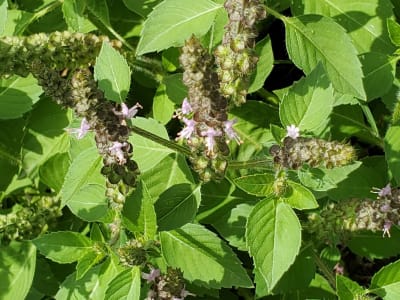
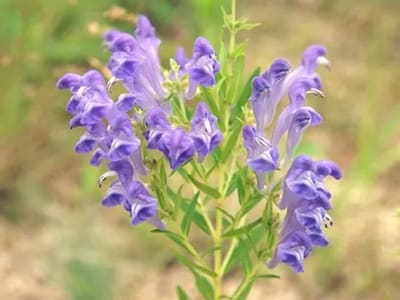
Real plants of this species grown and shared by the MyFloralVault community.

More in Immune Support





Was this helpful?
0 · 0
Care Guide Available
Learn how to grow and care for Goji berry at home