Gardenia
Gardenia Jasminoides
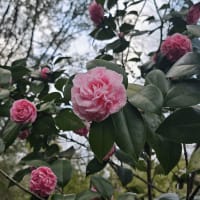
Gardenia Jasminoides, commonly known as Cape Jasmine, is celebrated for its fragrant white blooms and glossy green leaves. Native to tropical and subtropical regions, this beautiful shrub is a favorite among gardeners for its stunning appearance and captivating scent.
Everything it needs
9 essentials at a glance
Watering
Gardenias prefer consistently moist soil but should not be waterlogged.
Water when the top inch of soil feels dry, typically every 1-2 weeks. In hotter months, increase frequency to once a week. Signs of over-watering include yellowing leaves and root rot, while under-watering may cause wilting and browning leaf edges.
Light
Gardenias thrive in bright, indirect light but can tolerate some direct morning sun.
Aim for 4-6 hours of light daily, avoiding harsh afternoon sun which can scorch leaves. They prefer partial shade in hotter climates, ideally with filtered light.
Soil
Use well-draining, acidic soil with a pH of 5.0 to 6.0.
A mix of peat moss, pine bark, and perlite works well. Ensure good drainage to prevent root rot, as gardenias do not tolerate soggy soil.
Humidity
Gardenias thrive in high humidity levels of 40-60%.
To increase humidity, mist the leaves regularly or place a humidifier nearby. Signs of low humidity include brown leaf tips and leaf drop.
Temperature
Ideal temperatures range from 65-75°F (18-24°C) during the day and slightly cooler at night.
Gardenias are hardy in zones 8-10 and can tolerate brief periods of cold down to 20°F (-6°C), but prolonged exposure can damage the plant.
Fertilizing
Use a balanced, slow-release fertilizer with an NPK ratio of 10-10-10 or a fertilizer formulated for acid-loving plants.
Fertilize every 4-6 weeks during the growing season (spring and summer). Signs of nutrient deficiency include yellowing leaves and poor flowering.
Pruning
Prune gardenias after flowering to maintain shape and encourage bushier growth.
Use clean, sharp pruning shears to remove dead or damaged branches. Deadheading spent blooms can also promote further flowering. Avoid heavy pruning, as this can stress the plant.
Repotting
Repot gardenias every 2-3 years or when root-bound, typically in spring.
Choose a pot 1-2 inches larger in diameter. Signs it needs repotting include roots growing out of the drainage holes and stunted growth. Carefully remove the plant, refresh the soil, and place it in the new pot, ensuring proper drainage.
Propagation
Gardenias can be propagated through stem cuttings.
Take 4-6 inch cuttings from healthy plants in late spring or early summer. Remove lower leaves, dip cut ends in rooting hormone, and plant in a moist potting mix. Keep the cuttings in a warm, humid environment until roots develop, which can take 4-6 weeks.
When it's unhappy
Yellow leaves
Why it happens
Over-watering or nutrient deficiency.
How to fix it
Check soil moisture and adjust watering schedule. Fertilize with a balanced fertilizer if nutrient deficiency is suspected.
Brown leaf tips
Why it happens
Low humidity or inconsistent watering.
How to fix it
Increase humidity through misting or a humidifier, and ensure consistent watering practices.
Leaf drop
Why it happens
Stress from temperature changes or low humidity.
How to fix it
Maintain stable temperatures and humidity levels, and avoid placing the plant near drafts or heat sources.
Poor flowering
Why it happens
Insufficient light or nutrient deficiency.
How to fix it
Ensure the plant receives adequate light and fertilize regularly during the growing season.
Root rot
Why it happens
Over-watering and poor drainage.
How to fix it
Allow the soil to dry out between waterings and ensure the pot has adequate drainage holes.
Care through the year
Spring
In spring, focus on repotting if necessary and begin a regular fertilization schedule. Monitor for pests and ensure adequate watering as temperatures rise.
Summer
During summer, maintain consistent moisture and provide shade during the hottest parts of the day. Increase humidity through misting or using a humidifier.
Fall
In fall, reduce watering as the plant enters dormancy. Continue to monitor humidity levels and prepare for cooler temperatures by moving the plant indoors if necessary.
Winter
In winter, keep gardenias in a warm location away from drafts. Water less frequently, allowing the soil to dry out slightly between waterings, and maintain humidity levels.
Toxicity & Safety
Gardenias are considered mildly toxic to pets and humans. Ingestion of the leaves or flowers can cause nausea, vomiting, and diarrhea. Keep out of reach of children and pets.
Good to know
Why are my gardenia leaves turning yellow?
Yellowing leaves on gardenias can indicate over-watering or a nutrient deficiency. Check the soil moisture and consider fertilizing with a balanced fertilizer.
How often should I water my gardenia?
Water your gardenia when the top inch of soil feels dry, typically every 1-2 weeks. In hotter months, you may need to water weekly to keep the soil consistently moist.
What light conditions do gardenias prefer?
Gardenias thrive in bright, indirect light, ideally receiving 4-6 hours of filtered sunlight daily. Avoid harsh afternoon sun to prevent leaf scorch.
How can I increase humidity for my gardenia?
To increase humidity, mist the leaves regularly, place a humidifier nearby, or group your gardenia with other plants to create a more humid microclimate.
When is the best time to prune gardenias?
The best time to prune gardenias is after they finish flowering, typically in late spring or early summer. This helps maintain their shape and encourages bushier growth.
How do I propagate gardenias?
Gardenias can be propagated through stem cuttings taken in late spring or early summer. Use rooting hormone and keep the cuttings in a warm, humid environment until roots develop.
What should I do if my gardenia is not blooming?
If your gardenia is not blooming, ensure it receives adequate light and is not stressed by temperature fluctuations. Regular fertilization during the growing season can also help promote flowering.
Grows well with

Track this plant in your garden.
Set care reminders, log growth, and join a community of plant lovers.